When should worn screen mesh be replaced?
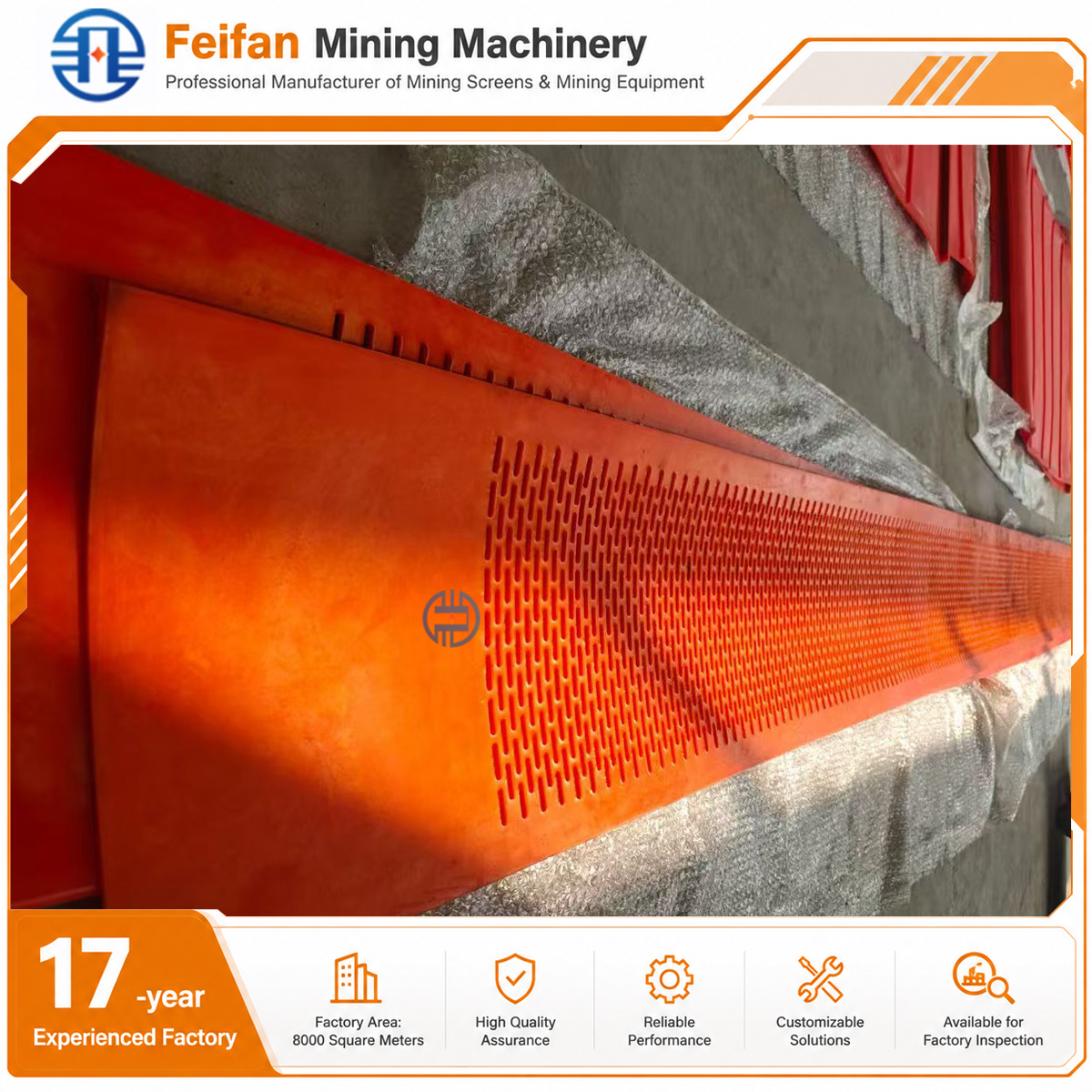
Worn screen mesh can compromise aggregate quality, reduce screening efficiency, and disrupt project schedules. Yet replacement is not always a simple matter of looking for a broken wire. Openings can gradually enlarge, panels can loosen, and usable screening area can disappear under persistent blinding long before a complete failure occurs.
For a project manager, the practical question is whether the mesh can still deliver the required product size reliably until the next planned shutdown. The answer comes from combining physical inspection with production records, product sampling, and an understanding of the material being screened.
Replace screen mesh when it can no longer hold the required separation
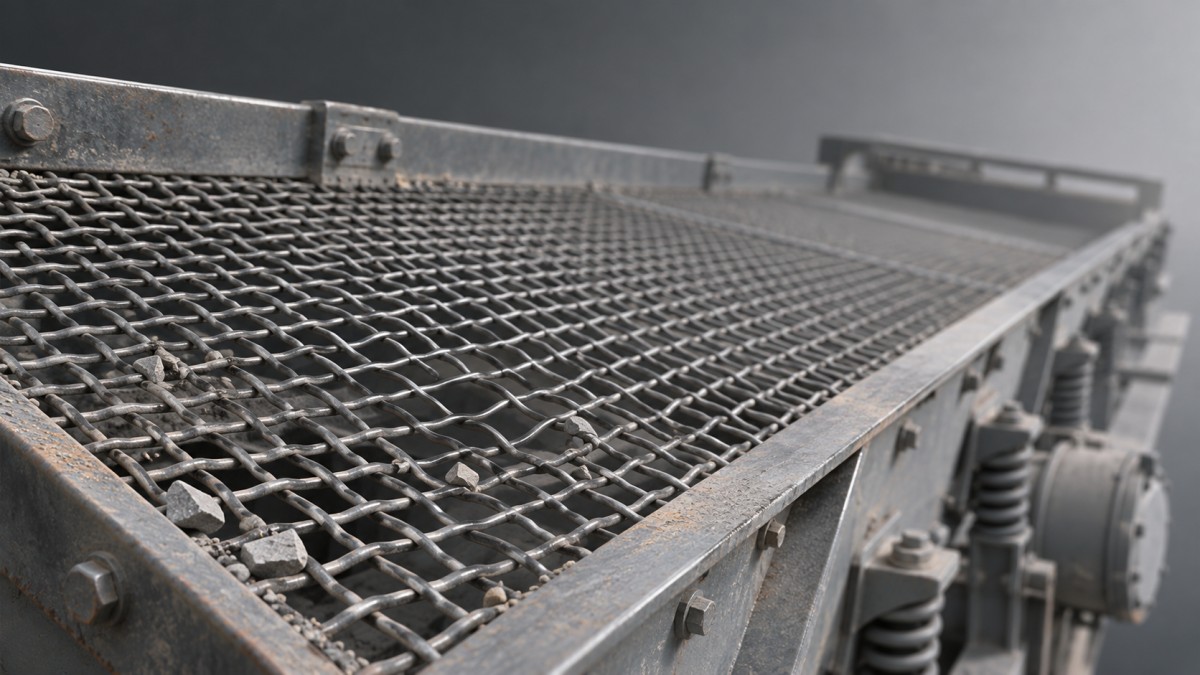
The clearest reason to replace a screen is loss of sizing control. In woven steel mesh, abrasion can thin the wires and enlarge the apertures. Polyurethane panels can also wear around their openings, particularly in areas exposed to repeated impact or concentrated material flow. If oversized particles pass through into a finished aggregate, compare the affected openings with the original specification and check representative product samples.
Do not rely on appearance alone. A shiny or discolored surface is not necessarily worn out, while a panel that looks intact may have openings outside the acceptable range. Use suitable measuring tools and compare results with the mesh specification and the project’s product requirements. Where the screen supplier or machine manufacturer provides wear limits, use those limits as the primary reference.
Take measurements at several points, especially near the feed end, along high-flow paths, and where material accumulates. Uneven wear may mean that only certain modular panels need replacement, provided the remaining panels and their fastenings are sound.
Damage that calls for immediate attention
Some defects should not wait for a routine review. Stop the machine safely and assess the affected section when you find:
- Torn mesh, broken wires, or missing polyurethane sections: These can create uncontrolled openings and contaminate the product stream.
- Loose panels or failed fastening components: Movement can accelerate wear, damage supports, and allow material to bypass the screening surface.
- Cracked edges, hooks, or attachment areas: Even if the screening surface appears usable, a compromised attachment can prevent the mesh from staying secure.
- Severe local abrasion or exposed reinforcement: Check the manufacturer’s guidance; damage in these areas can indicate that the panel is close to failure.
Replacement is generally the safer decision when damage cannot be securely corrected or when the mesh no longer meets the required opening size. Before inspecting or changing any screen media, shut down, isolate, and lock out the equipment in accordance with site procedures. Never reach into a running screen.
When symptoms point beyond the mesh
A drop in throughput or an increase in recirculating material can suggest worn screen mesh, but neither symptom proves it. Blinding and pegging may also result from wet or sticky feed, unsuitable aperture shape, excessive fines, incorrect feed distribution, or operating conditions outside the screen manufacturer’s recommendations.
For example, replacing a blinded panel with an identical one may restore capacity briefly, only for the problem to return when damp material reaches the deck again. Inspect the openings and clean them where appropriate, then review feed moisture, loading, and material characteristics. A different screen media or aperture configuration may be worth discussing with the supplier.
Similarly, if new panels wear rapidly at one end of the deck, investigate the feed point and impact conditions rather than treating the panels as the only problem. Check tensioning, support bars, deck condition, and installation fit. Correcting the cause can be as important as replacing the damaged section.
Plan replacement around production risk, not just visible wear
There is no universal service-life interval for screen mesh. Abrasiveness, feed size, moisture, operating hours, deck position, and screen media all affect wear. A useful maintenance record should include the installation date, operating hours where available, mesh specification, inspection findings, product test results, and the location of failed sections.
Use that history to identify a replacement window before the screen threatens product quality or an important delivery. Consider the time needed to isolate the machine, remove and install the media, inspect supports, and verify the screen after restart. Keep the correct spare panels, mesh sections, and fastening parts available when lead times could delay the project.
For modular polyurethane decks, selective panel replacement can reduce unnecessary material use. With tensioned woven steel screens, the condition of the full section and its hooks needs close attention. In either case, avoid mixing incompatible parts or changing aperture sizes without checking the effect on the production specification.
Coordinate the screen with the rest of the plant
Screen condition should be reviewed alongside crushing and material handling. A change in crusher settings or feed characteristics can alter the load reaching a deck, while a worn screen can send incorrectly sized material downstream or back into the circuit. For ready-mix aggregate production, equipment such as the FEIFAN Concrete Workability Improved VSI-6000 With Cubical Grains And Thin Oil Lubrication For Ready Mix Concrete Plant VSI Crusher is part of the wider crushing process; the screen still needs to separate the resulting material to the project’s grading requirements.
Binzhou Feifan Wire Mesh Co., Ltd. manufactures polyurethane and steel screens for mining screening machines, while the wider FEIFAN group also supplies screening and crushing equipment. When specifying replacement media, provide the machine model, deck dimensions, attachment details, required aperture, feed material, and current wear pattern. Those details give the supplier a more useful starting point than dimensions alone.
The right replacement time is therefore not simply “when the screen breaks.” Replace worn mesh when inspection or product testing shows it can no longer meet its duty, and act sooner if damage makes continued operation unsafe. A short, planned intervention is usually easier to manage than discovering a sizing problem after material has already moved through the plant.
Leave A Message
If you are interested in our products and want to know more details, please leave a message here, we will reply you as soon as we can.