When should a linear vibrating screen be replaced?
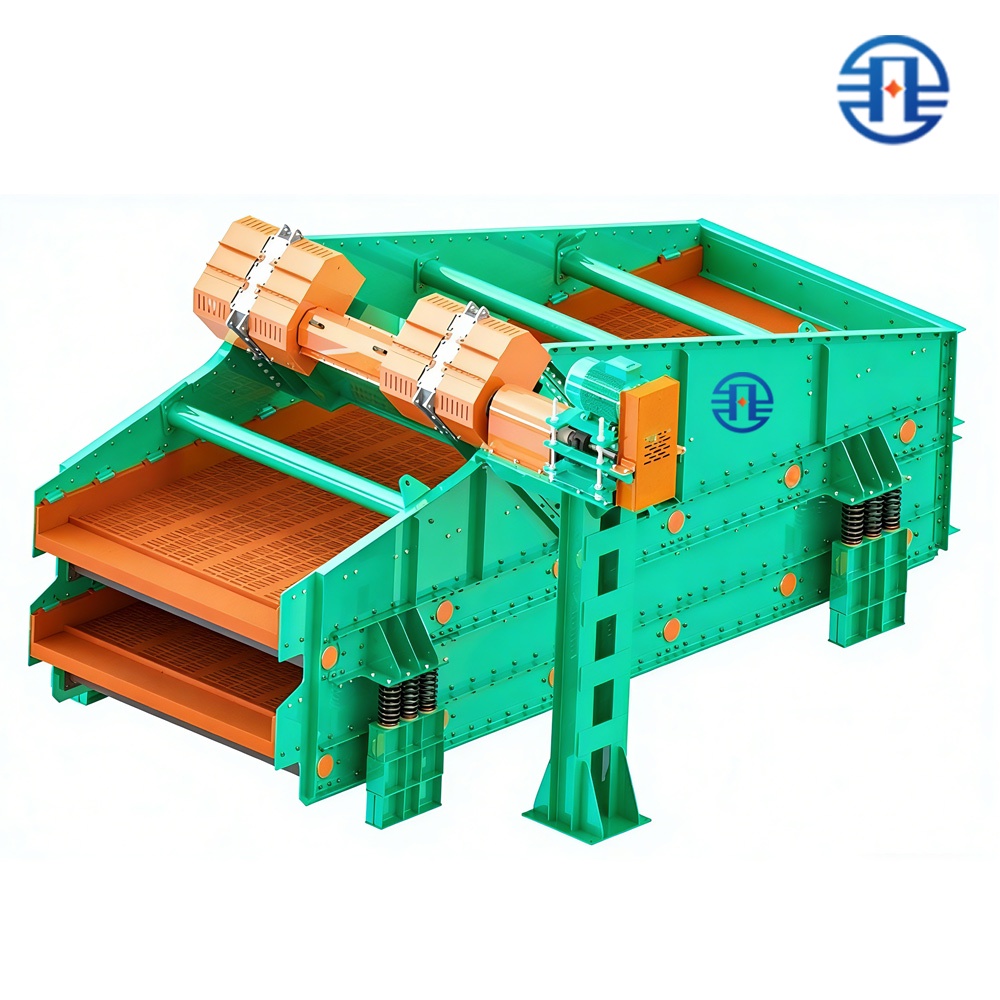
A linear vibrating screen should be considered for replacement when its structure can no longer be restored reliably, when repeated failures make downtime more costly than a new machine, or when it cannot meet production requirements even after the underlying causes have been corrected. Worn screen panels, bearings or springs alone are not sufficient reasons to replace the entire unit.
The decision depends less on the machine’s age than on its condition, the consequences of failure and the cost of returning it to dependable service. A screen with a serviceable frame may justify a major overhaul; one with recurring structural cracks and an uncertain repair outcome may warrant a replacement plan even if it is still operating.
When damage points beyond routine maintenance
Screen media are consumables. Torn mesh, enlarged apertures and blocked openings can reduce product quality or throughput, but they should prompt an assessment of the media and operating conditions before a capital purchase. Bearings, drive components, springs and liners are also replaceable, provided the supporting structure remains sound and suitable parts are available.
Structural damage is a different question. Cracks around side plates, cross members, drive supports or deck attachments can indicate fatigue or abnormal loading. A single repairable crack does not automatically condemn a machine, but cracks that return after properly engineered repairs deserve closer attention. Repeated welding without identifying the cause can leave the underlying vibration, loading or support problem unresolved.
Before authorizing another repair, obtain an inspection of the affected areas and the condition of the surrounding structure. The equipment manufacturer or a qualified specialist should assess whether repair is technically feasible, what caused the damage and whether the repaired machine can operate within its intended limits. Serious structural damage may require the machine to be taken out of service until it is assessed.
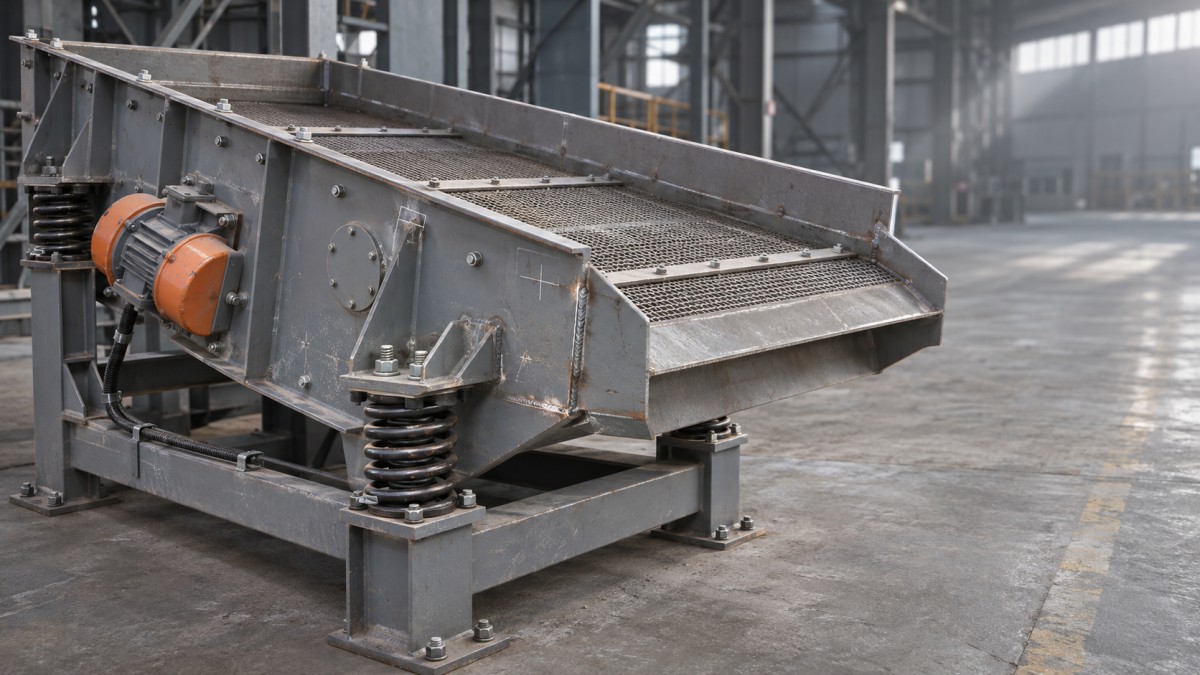
Foundation movement, damaged springs, loose fasteners and uneven feed can place abnormal loads on either an old screen or its replacement. Replacing the machine without correcting these conditions risks transferring the problem to the new asset.
Distinguish lost capacity from an undersized machine
Declining screening performance is a reason to investigate, not proof that the machine has reached the end of its useful life. Compare current operation with the duty for which the screen was selected: feed rate, particle-size distribution, moisture, material characteristics and required separation sizes. Changes in the feed can cause blinding, excessive bed depth or poor separation even when the machine itself is mechanically sound.
Check screen media condition, feed distribution and the operating settings permitted by the manufacturer. Confirm that vibration behavior and support components are within the equipment’s specified limits; adjustments outside those limits can damage the machine.
Replacement becomes more compelling when the required production rate or product specification has permanently changed and a properly maintained screen cannot meet the new duty. An upgrade may also be justified if achieving the required output with the existing machine would require substantial modifications whose cost and reliability are uncertain.
Compare the cost of continued operation with replacement
The relevant comparison is not simply the price of a new screen against the next repair invoice. It is the expected cost of each viable option over the same planning period, including the production consequences of taking the machine out of service.
For the repair option, include inspection, engineering, parts, labor, lifting equipment and lost production during the outage. Add an allowance for foreseeable repeat work, based on the machine’s maintenance history and the condition assessment. Where a repair outcome is uncertain, compare a favorable case with one in which another shutdown or structural repair is needed.
For replacement, include the equipment price, freight, duties where applicable, installation, electrical and control work, commissioning, initial spare parts and any changes to foundations, chutes or access platforms. Account for the planned outage and the risk of commissioning delays. Expected energy or maintenance savings should be included only where the operating assumptions are credible.
Lost output requires particular care. A shutdown has a different financial effect when the plant can draw from stockpiles or reschedule work than when it prevents a sale or disrupts a committed delivery. Avoid counting the full selling price of lost material as a loss if some production costs are also avoided. The useful measure is the contribution actually at risk, together with any contractual or recovery costs.
A simple payback calculation can help screen an investment: divide the additional upfront cost of replacement, relative to repair, by the expected annual net savings. It should not be the sole test. A short repair may appear cheaper while leaving a substantial chance of an unscheduled failure; conversely, a new machine may not pay for itself if the existing frame can be restored at modest cost and the production duty is unchanged.
Consider the consequences of waiting
Replacement decisions are also affected by lead time. If a critical machine has a deteriorating frame, limited spare-part availability or a history of unpredictable outages, waiting until failure can force an emergency purchase and extend the shutdown. Planning early allows time to inspect alternatives, confirm interfaces and coordinate installation with a scheduled maintenance window.
That does not mean every aging screen should be replaced immediately. If inspection supports continued operation, a defined repair and monitoring plan may be the better use of capital. The plan should identify the damage to monitor, inspection intervals, operating restrictions and the conditions that would trigger shutdown or replacement. A budget and procurement lead time for the replacement should be considered alongside that plan.
Specify the replacement around the actual duty
A like-for-like purchase can simplify installation, but it may reproduce a capacity or maintenance constraint. Give prospective suppliers the required feed rate, material properties, moisture range, feed-size distribution, separation sizes and required product quality. Request the proposed operating envelope and the assumptions behind the capacity assessment, rather than comparing quoted tonnage alone.
Also check physical and operational interfaces: available footprint and height, feed and discharge positions, support loads, electrical supply, access for media changes, dust control and lifting arrangements. Confirm the scope of installation and commissioning, expected delivery terms, warranty conditions and availability of wear parts and technical support. These details affect both total cost and the length of the changeover.
A different screen configuration may be worth assessing when the duty has changed. For example, the FEIFAN High Capacity Banana Vibrating Screen with Adjustable Amplitude for Hard Rock Crushing Operations Vibrating Screen represents an alternative configuration to evaluate where capacity and hard-rock screening are relevant. It should not be treated as a direct substitute without checking the material, separation requirements, mounting loads and available space.
The strongest replacement case combines a documented condition problem or capacity shortfall with a credible cost comparison. If the frame is sound and the cause is confined to serviceable components or feed conditions, repair may remain the more economical choice. If structural integrity is uncertain, failures recur despite corrective work, or the required duty is beyond the machine’s capability, a planned replacement can reduce exposure to an uncontrolled shutdown.
Leave A Message
If you are interested in our products and want to know more details, please leave a message here, we will reply you as soon as we can.