When Is a Double Spiral Sand Washing Machine Better Than a Single Spiral Model?
When a Double Spiral Sand Washing Machine Is the Better Choice
The practical answer to What is the difference between single and double spiral sand washing machine is not just “one screw versus two.” In actual plant selection, the real difference is how each machine handles throughput, retention time, feed fluctuation, and the balance between cleanliness and operating cost. That is why a double spiral unit is not automatically the advanced option for every line, but it often becomes the more rational one when a project is designed for sustained output rather than occasional peak capacity.
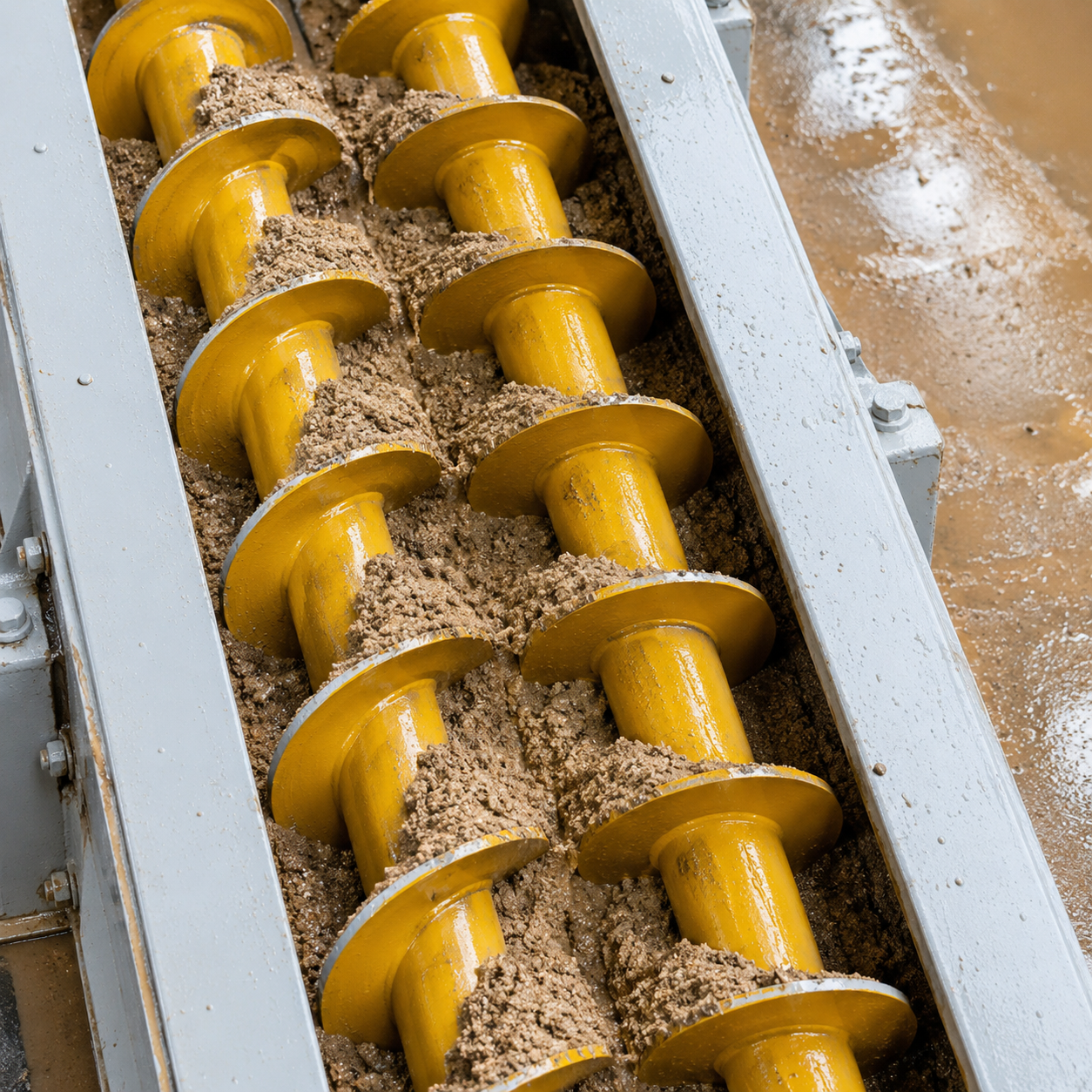
A single spiral sand washer is structurally simpler. One spiral blade pushes material forward while washing, dewatering, and removing part of the clay, silt, and fines attached to the sand or small aggregate. It suits plants where feed gradation is relatively stable, the required capacity is moderate, and the owner wants a compact layout with fewer moving parts. In smaller quarry or manufactured sand lines, that simplicity is an advantage because it reduces installation complexity and usually makes routine maintenance easier to organize.
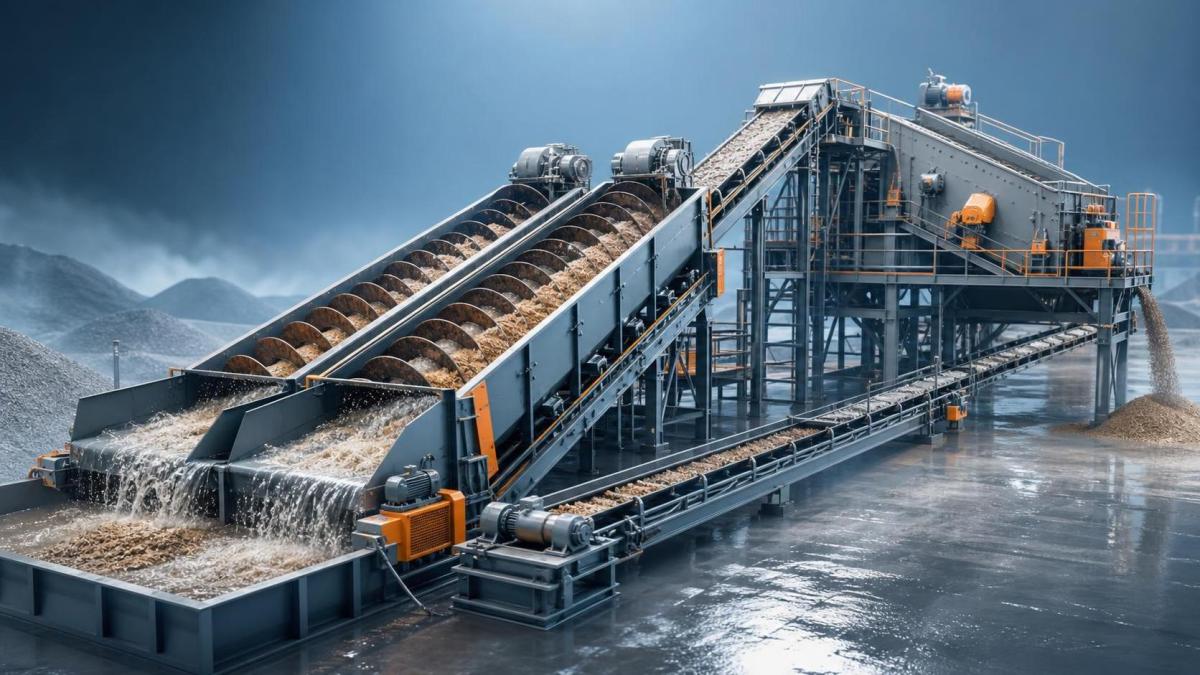
A double spiral model changes the operating rhythm of the machine. With two spirals working in parallel inside the same washing tank, the equipment can process more material in the same operating window and usually does a better job of maintaining washing continuity when the upstream feed is less uniform. For project managers, this is the key point: the double spiral design is less about appearance and more about process stability under load.
That matters most in aggregate and mining projects where the washing section is not an isolated machine, but one link in a full production line. If the crusher, screen, and conveyor system upstream have already been sized for high output, under-sizing the washer creates a bottleneck. In those cases, choosing a single spiral because it is cheaper on the equipment list can raise the total cost of ownership later through lost effective capacity, unstable product moisture, or repeated cleanout caused by overload conditions.
Where the Double Spiral Model Makes More Sense
A double spiral sand washing machine is usually the better option in four situations.
One is high-capacity production. If the line is expected to run continuously with large feed volume, the double spiral arrangement gives more washing area and stronger material conveying ability. That helps prevent the washer from becoming the slowest point in the circuit.
Another is when raw material carries more mud or fine impurities. Washing performance is never determined by spiral count alone, but double spiral machines generally provide a more robust cleaning process for feed that is harder to separate, especially when the target is cleaner finished sand for concrete, infrastructure, or other quality-sensitive uses.
The third case is feed fluctuation. In real projects, the material arriving at the washer is not always perfectly consistent. Screening efficiency changes, moisture varies with the season, and crushing circuits do not feed in laboratory conditions. A double spiral machine tends to tolerate those fluctuations better because its overall transport and agitation capacity is higher.
The fourth is when shutdowns are expensive. On a line where every interruption affects downstream stockpiling, truck loading, or contract supply schedules, a more stable washing section has value beyond the machine itself. That is often the real reason larger projects choose double spiral units.
What Buyers Often Misread
A common misunderstanding is that double spiral always means cleaner sand. Not necessarily. Final cleanliness depends on several interacting factors: feed size distribution, mud content, tank design, blade geometry, water management, and whether the machine is operating within its intended load range. A poorly matched double spiral washer can still underperform if the process design around it is weak.
Another mistake is focusing only on the purchase price. A single spiral machine usually has a lower initial equipment cost and may require less installation space. But footprint should be judged at plant level, not machine level. If a single spiral unit forces slower throughput or causes repeated circulation issues elsewhere, the apparent saving disappears quickly.
It is also worth separating maintenance quantity from maintenance difficulty. A double spiral washer has more components involved in transmission and wear, so maintenance planning matters more. But in a professionally built line with proper access, spare parts support, and wear-resistant components, that does not automatically translate into problematic operation. In screening and washing circuits, wear parts quality often has a direct effect on uptime. That is why many plants pay close attention not only to the main machine, but also to related components such as screen media and spare parts, including FEIFAN OEM Custom Urethane Screen Panels Manufacturer for Quarry Mining Aggregate Plant Vibrating Screen Spare Parts when configuring the broader aggregate system.
How to Judge the Choice in a Real Project
For selection work, the better question is not “Which model is better?” but “Which model fits the process target with the least operational compromise?” A project manager usually needs to review these points together:
That broader view is especially important in EPC or turnkey projects. Companies with line-design experience tend to evaluate washing equipment as part of the full process route, not as a standalone item. With years of focus on sand and gravel mining equipment manufacturing, line integration, and overseas project supply, FEIFAN’s operating logic reflects that same reality: washer selection only works when it matches the crusher, screen, conveyors, material characteristics, and after-sales support available on site.
So when is a double spiral sand washing machine better than a single spiral model? When the project needs higher effective throughput, more consistent cleaning under variable feed conditions, and a washing stage that will not become the weak link in a continuous aggregate line. When those pressures are absent, a single spiral machine may be the cleaner decision from both cost and layout perspectives. The difference is not theoretical. It shows up in how calmly the plant runs after commissioning.
Leave A Message
If you are interested in our products and want to know more details, please leave a message here, we will reply you as soon as we can.