When Feed Uniformity Becomes the Bottleneck for Apron Feeder Performance
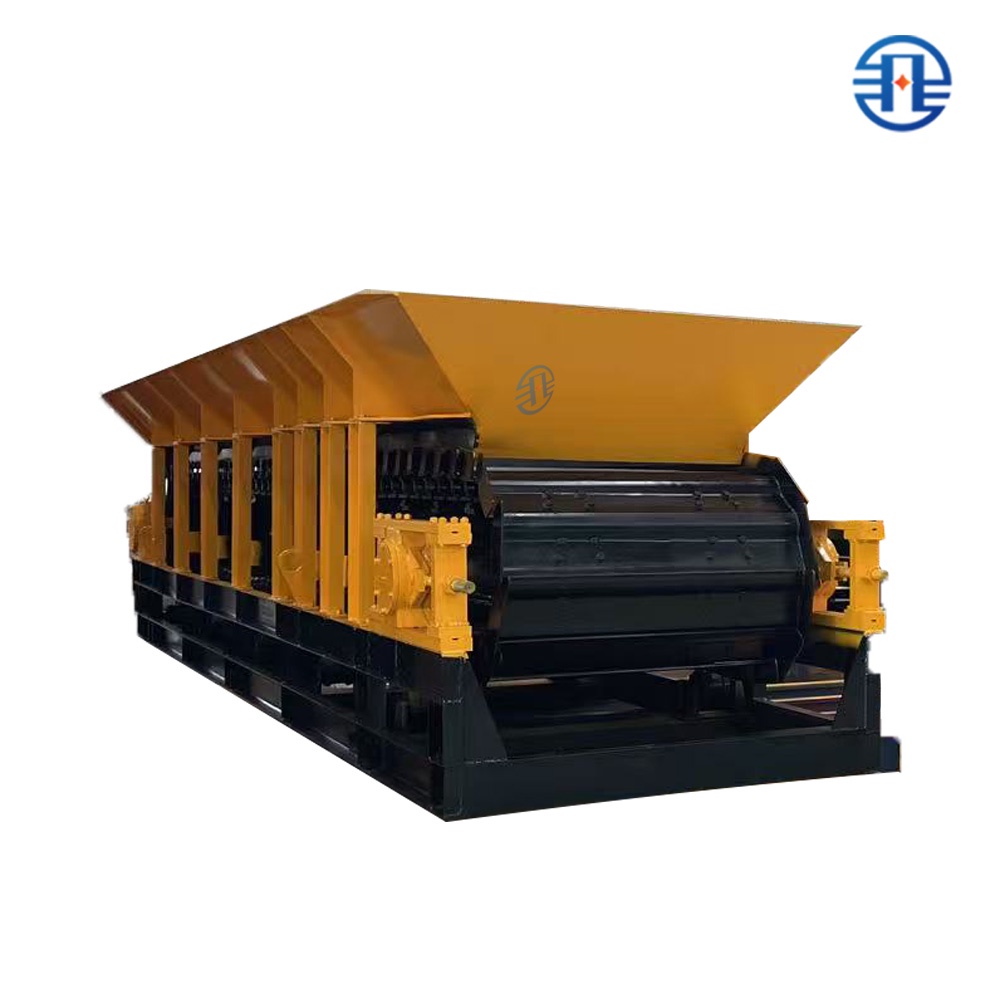
If an Apron Feeder is running but the plant still feels unstable, feed uniformity is often the missing piece. In real production, poor material distribution does more than create a messy flow. It lowers effective capacity, causes chain and pan wear to rise faster, sends surges into the crusher, and makes the whole crushing and screening line harder to control. Many operators first suspect the feeder speed, motor, or crusher settings. Sometimes those matter, but uneven loading is often the earlier problem.
A simple way to put it: an Apron Feeder does not only move material forward. It also sets the rhythm for everything downstream. If that rhythm keeps changing, the rest of the plant has to absorb the shock.
Why an Apron Feeder loses performance even when the machine itself is fine
On paper, the feeder may be correctly selected. The drive is normal. The chain is within adjustment range. The pans are intact. Yet output still swings, the primary crusher draws uneven load, and the screen deck seems either underfed or suddenly overloaded.
This usually happens when the incoming material is not landing consistently across the feeder width and along its length. One side may be carrying more fines, the other more large rock. At times the hopper discharges in pulses rather than in a controlled bed. Operators see the result as “poor feeder performance,” but the machine is reacting to unstable feed conditions rather than creating them.
In practical terms, a well-built Apron Feeder works best when the material bed is reasonably continuous, centered, and predictable. It does not need perfect lab conditions. It does need a feed pattern that the machine and the downstream equipment can actually handle.
What uneven feed really does to the line
The first effect is lost throughput. This sounds backward because surge loading can make the plant look busy. But a line that constantly surges and starves usually delivers less stable tonnage over a shift than one running at a slightly lower but steady rate.
The second effect is wear concentration. If material repeatedly falls on one section of the pans or one side of the feeder, that area takes the punishment. Chains, rollers, liners, skirt areas, and hopper contact zones wear unevenly. Maintenance teams then replace parts earlier than expected, even though the rated capacity was never exceeded for long periods.
The third effect shows up downstream. A primary crusher fed in waves does not crush in a calm, repeatable way. The chamber fill changes too fast. Discharge size stability can suffer. Screens see changing load density, so separation efficiency may drop. In many aggregate plants, operators try to fix this later by adjusting screen angle, media opening, or crusher settings, when the real issue started at the feed point.
That is also why feeder problems and screening problems often travel together. If the flow into the screen is unstable, even a good screen media selection has less chance to perform as intended. In those cases, checking wear parts and screen media condition together makes more sense than treating each machine as an isolated problem. For plants reviewing screen consumables, a product such as OEM stainless steel wire mesh screen for mining quarry stone crusher vibrating screen mesh can be one reference point, but it should be matched to actual material and operating conditions rather than chosen only by name.
Common signs that feed uniformity is the real bottleneck
Some signs are obvious, others are easy to misread.
- Motor load on the crusher rises and falls sharply without a planned process reason.
- The feeder speed keeps getting adjusted, but the line still feels inconsistent.
- One side of the pans, liners, or skirt areas wears much faster than the other.
- Material bridges in the hopper, then suddenly releases in heavy slugs.
- The screen performs acceptably for part of the shift, then loses efficiency when feed surges arrive.
- Operators report “the feeder can’t keep up,” but inspection shows the machine is not mechanically overloaded all the time.
Here is the direct answer many people are looking for: if your Apron Feeder output looks unstable, do not start with speed adjustment alone. First check how material enters the hopper, how it sits on the pans, and whether one-sided loading or pulsed discharge is forcing the feeder to operate in a stop-correct-stop pattern.
Where the problem usually starts
In most plants, feed non-uniformity begins before the material reaches the feeder. The hopper geometry may not suit the material. The dump pattern from the loader or truck may be off-center. Sticky fines may hold back and then release suddenly. Large rock can create arching and leave empty pockets behind it. Even a short-term change in blasted rock gradation can change feeder behavior more than many operators expect.
There is also a common misunderstanding here: people often think “more material in the hopper” automatically means “better continuous feeding.” That is not always true. A badly packed hopper can increase the chance of bridging, rat-holing, or uneven pressure zones. In that situation, the Apron Feeder is fighting poor material presentation, not a lack of installed capacity.
Another overlooked factor is width utilization. If only part of the feeder width is being used effectively, the plant may be running below practical capacity even though the feeder itself is technically moving material. The burden is no longer distributed the way the design intended.
What operators can check before asking for a bigger feeder
Before concluding that the feeder is undersized, it helps to confirm a few things on site.
- Watch the hopper discharge pattern during normal loading, not only during inspection downtime.
- Check whether material lands in the center or consistently favors one side.
- Look for signs of surging: empty gaps followed by heavy slugs.
- Compare wear patterns across pans, chains, liners, and skirt plates.
- Verify whether the crusher and screen problems appear at the same time as feeder instability.
- Review material changes: moisture, fines content, top size, and clay contamination can all shift flow behavior.
These checks sound basic, but they often save plants from buying the wrong solution. A larger Apron Feeder may help in some cases, especially when the original selection left too little margin for actual rock size and bulk conditions. But if the feed pattern remains poor, a bigger machine can inherit the same instability and simply wear more expensive parts.
Fixes that usually work in the field
The right fix depends on where the instability begins. Sometimes the best improvement is not on the feeder drive at all. It may be a hopper modification, a better loading practice, a liner adjustment, or improved control of fines and moisture.
In plants handling sand and gravel aggregates, the most effective approach is often to look at the line as a system. Feeder, crusher, screen, conveyor transfer points, and wear components all affect one another. That is one reason integrated manufacturers and EPC-focused suppliers tend to spot root causes faster: they are not only looking at one isolated machine. Companies with long involvement in feeders, crushers, screens, conveyors, and screening media generally have a better chance of matching the feeder arrangement to the whole production line instead of treating the symptom at one point.
Some fixes are operational. Train loader or excavator operators to avoid repeated off-center dumping. Keep hopper loading as consistent as possible. Track when surging happens and compare it with shift practice, weather, and material source. Other fixes are mechanical: improve hopper discharge geometry, correct skirt settings, address worn liners, or review whether screen media and downstream settings are still suitable for the current feed condition. If screen wear is already contributing to poor separation after unstable feeding, reviewing options such as OEM stainless steel wire mesh screen for mining quarry stone crusher vibrating screen mesh may be useful as part of a broader maintenance decision, not as a standalone cure.
When feed uniformity is not the main issue
Not every problem should be blamed on feed distribution. If the feeder has clear mechanical faults, those come first. Excessive chain elongation, drive issues, damaged pans, poor lubrication, or structural wear can all reduce performance directly. The point is to separate true machine problems from upstream material presentation problems.
If the feeder is mechanically sound but the line remains unstable, that is when feed uniformity deserves serious attention.
An Apron Feeder performs best when it is allowed to meter a steady, usable burden instead of constantly absorbing surges. Plants that solve this usually see the benefit in several places at once: smoother crusher loading, more predictable screening, lower localized wear, and fewer unnecessary speed corrections. Near the end of most troubleshooting jobs, that is the real lesson: the feeder was not weak, the feed pattern was. Once that is corrected, Apron Feeder performance usually looks much closer to what the machine was designed to deliver.
FAQ
Can changing feeder speed solve uneven feed?
Sometimes it helps temporarily, but it rarely fixes the root cause. If the hopper is discharging in slugs or loading one side, speed adjustment only changes how the instability shows up.
How do I know if my Apron Feeder is undersized?
Check actual burden distribution, top size, and hopper discharge behavior first. A feeder can look undersized when the real issue is poor width utilization or surge loading.
Does uneven feed affect screening efficiency that much?
Yes. When the crusher output and conveyor loading keep changing, the screen sees unstable bed depth and inconsistent separation conditions.
What should be inspected first during a short shutdown?
Look at wear patterns on pans, chains, liners, and skirt areas, then inspect how material has been landing in the hopper and across the feeder width.
Is this mainly a mining problem or also an aggregate plant problem?
Both. It is common anywhere bulk material size, moisture, fines content, and loading pattern change enough to disturb steady feeding.
Internal link anchor text suggestions
- Apron feeder troubleshooting guide: maintenance or technical support page
- How to select vibrating screen mesh for quarry applications: product category or blog article
- Primary crusher feed control in aggregate plants: technical article
- Common causes of uneven material flow in hoppers: knowledge base page
- Turnkey sand and gravel production line solutions: EPC or solutions page
External authority source suggestions
- OEM technical manuals for apron feeders, crushers, and screening equipment
- Industry association guidance on aggregate plant operation and material handling
- Academic or engineering research on bulk solids flow, hopper discharge, and wear behavior
Leave A Message
If you are interested in our products and want to know more details, please leave a message here, we will reply you as soon as we can.