When an Apron Feeder Is the Right Choice Under Hopper Discharge Conditions
Meta Title: When an Apron Feeder Is the Right Choice Under Hopper Discharge Conditions
If your hopper is discharging heavy rock, large lump material, or abrasive ore, the feeder you choose will decide more than just capacity. It will affect plant uptime, crusher protection, liner wear, and how often your maintenance team gets pulled into emergency work. In these conditions, an Apron Feeder is usually the right answer when impact load is high, feed size is irregular, and material does not flow consistently enough for lighter-duty equipment. The key is knowing where it genuinely solves a problem and where it may be more machine than the job requires.
A simple way to judge it: if the hopper is the roughest transfer point in the line, and the material arriving there is hard on steel, hard on drives, and hard to control, an apron design deserves serious consideration.
Why hopper discharge is where many feeding choices go wrong
A lot of selection mistakes happen because buyers look at rated capacity first and actual working conditions second. On paper, several feeder types can move tons per hour. In practice, hopper discharge is not a clean laboratory condition. Material surges. Big lumps land with force. Moist fines can bridge, then suddenly collapse. The feeder is asked to absorb impact, pull material from a head load, and deliver a stable rate downstream.
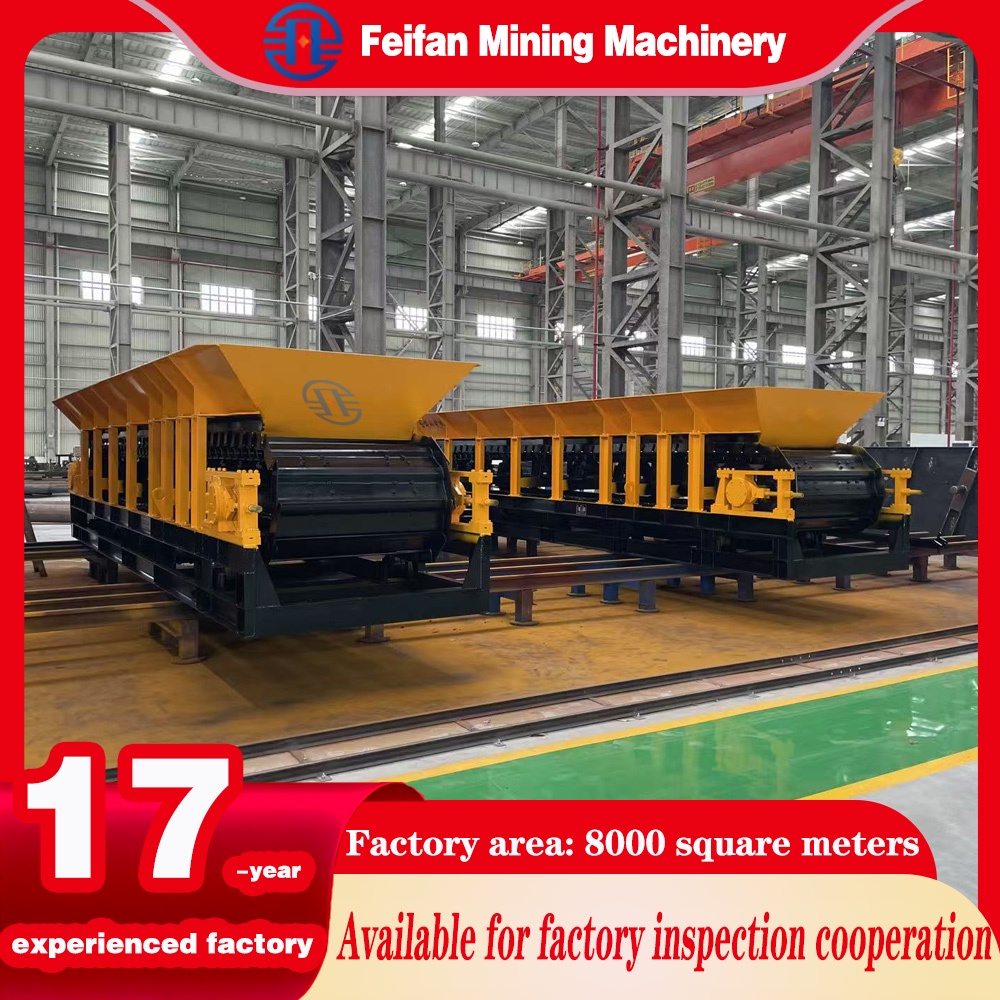
That is where an Apron Feeder separates itself from vibrating feeders, belt feeders, and other lighter solutions. Its chain-and-pan construction is built for carrying and drawing out heavy, coarse, and abrasive material from under a hopper. It is less sensitive to sharp rock, less vulnerable to puncture, and better suited to variable burden loads.
For operations handling blasted rock, primary crushed stone, iron ore, granite, basalt, or similar materials, this is not a minor detail. It is often the difference between predictable production and recurring stoppages.
When an Apron Feeder is the right choice
There are a few conditions where the decision becomes fairly clear.
First, large lump size. If the hopper discharges material with oversized lumps or irregular rock shape, the feeder needs real carrying strength. A belt feeder may run well with finer, more uniform material, but under large lump conditions it can suffer premature wear or damage.
Second, high impact loading. If trucks, loaders, or upstream equipment dump directly into the hopper, the force transferred to the feeder matters. An Apron Feeder is designed to tolerate that loading better than equipment intended for lighter service.
Third, abrasive material. Aggregates and mining operations often deal with material that continuously grinds at contact surfaces. In these situations, service life is not just about the feeder frame. Pans, chains, rollers, liners, and discharge arrangements all need to survive real abrasion. Apron units are commonly chosen because they are structurally better suited to that kind of punishment.
Fourth, unstable or sticky flow from the hopper. Some materials do not discharge evenly. They arch, rat-hole, or release in surges. While feeder selection alone will not fix poor hopper design, an Apron Feeder generally handles inconsistent drawdown more reliably than lighter feeders that depend on smoother material behavior.
Fifth, downstream equipment needs protection. If your primary crusher or transfer system performs best with controlled feed, a feeder that can meter reliably under load has direct value. This is especially relevant where the line includes high-value equipment such as a cone crushing stage. In a complete plant layout, stable discharge from the hopper helps the rest of the circuit work closer to design intent, including downstream machines like OEM High Precision Machining Cone Crusher With Tight Fitting For Stable Crushing Performance Crusher.
In short: choose an apron design when the hopper area is a heavy-duty extraction point, not just a gentle transfer point.
What decision-makers often underestimate
Many people focus on purchase price and miss operating cost. That is usually where the wrong choice becomes expensive.
A feeder sitting under a hopper does not fail gracefully. When it stops, the whole line behind it waits. Lost production, blocked material, manual cleanup, rushed spare parts, and unplanned maintenance hours can quickly cost more than the initial savings from selecting a lighter machine.
Another common misunderstanding is assuming that “strong enough” and “appropriate” are the same thing. A machine may survive the duty for a while and still be the wrong choice because it wears too fast, feeds too unevenly, or overloads downstream equipment. The correct decision is not about whether the feeder can run. It is about whether it can run steadily, safely, and economically.
This is also why experienced buyers ask about more than throughput. They ask about burden depth, maximum lump size, moisture behavior, impact condition, maintenance access, and how the feeder interfaces with hopper geometry and the next machine in line.
Cases where an Apron Feeder may not be necessary
It is not the best answer for every hopper discharge point.
If the material is fine, free-flowing, non-abrasive, and well controlled, a belt feeder or vibrating feeder may be simpler and more economical. The same applies where feed size is small, impact is low, and precision metering is the higher priority over heavy-duty extraction strength.
That distinction matters because an Apron Feeder brings more structure, more weight, and usually a higher initial investment. If your duty does not justify that, you may end up over-specifying the machine.
So the question is not “Is an Apron Feeder better?” The better question is “Is this hopper discharge duty severe enough to need one?”
What to confirm before making the final decision
Before approving a feeder specification, it helps to verify a few practical points with your engineering or supply team:
- Actual material characteristics, especially top lump size, abrasiveness, and moisture variability
- How the hopper is loaded and whether shock loading is continuous or occasional
- Required live capacity versus peak surge conditions
- Whether the feeder must extract, meter, or do both
- Maintenance access for chains, pans, rollers, liners, and drive components
- How feeder speed control will coordinate with the crusher and conveyor line
If any of those inputs are unclear, sizing should be reviewed carefully. Feeder problems often begin upstream, with hopper design assumptions that looked acceptable during procurement but do not hold up in operation.
That is one reason integrated plant suppliers are often easier to work with on this kind of decision. When the same group understands feeders, crushers, screens, conveyors, and full-line EPC delivery, it is easier to judge how one piece of equipment affects the rest of the system. Our group has been focused on sand and gravel mining equipment and turnkey aggregate projects since 2009, with manufacturing, screening media, mining machinery, and export support organized across specialized companies. In practical terms, that matters because feeder selection is rarely an isolated purchase; it is usually part of a broader flow, wear, and reliability problem.
For operations planning a full crushing and screening line, the feeder should be evaluated together with the receiving hopper, primary section, transfer design, and downstream crushing stages rather than as a stand-alone unit.
One useful rule of thumb
If the material can damage a belt, overload a lighter feeder, or arrive at the hopper in sudden heavy surges, start by evaluating an Apron Feeder. If the material flows easily and predictably, then compare other feeder types before committing to the heavier option.
That rule is not a substitute for engineering review, but it reflects how these machines are actually chosen in the field.
Near the end of the decision process, the main question should be simple: will this feeder still be the right machine after six months of real production, not just on the day it is commissioned? Under severe hopper discharge conditions, an Apron Feeder is often the right choice because it protects uptime, stabilizes material flow, and gives downstream equipment a better chance to perform as intended.
FAQ
Is an Apron Feeder only used in mining?
No. It is common in mining and aggregates, but it is also used in other heavy bulk material applications where lump size, abrasion, and impact load are high.
Can an Apron Feeder solve poor hopper design by itself?
Not fully. It can improve extraction reliability, but if the hopper has serious flow problems, the hopper geometry and discharge arrangement also need review.
Is higher capacity the main reason to choose an Apron Feeder?
Not usually. The stronger reason is duty severity: impact, abrasion, head load, and difficult material behavior.
Does it make sense for a small plant?
Sometimes, yes. Plant size matters less than material condition. A small plant handling very harsh material may still need an apron design.
Internal Link Anchor Text Suggestions
- Apron feeder vs vibrating feeder: feeder selection comparison page
- How to choose a hopper discharge feeder: application guide page
- Primary crushing line design for aggregates: solution page
- Cone crusher and feeder matching in aggregate plants: technical article page
- EPC services for sand and gravel production lines: service page
Suggested External Source Directions
- Mining equipment manufacturer technical application documents
- Industry association guidance on bulk material handling and feeder selection
- Academic or engineering research on hopper flow and bulk solids discharge behavior
Leave A Message
If you are interested in our products and want to know more details, please leave a message here, we will reply you as soon as we can.