What Maintenance Differences Matter Between Single and Double Spiral Sand Washers?
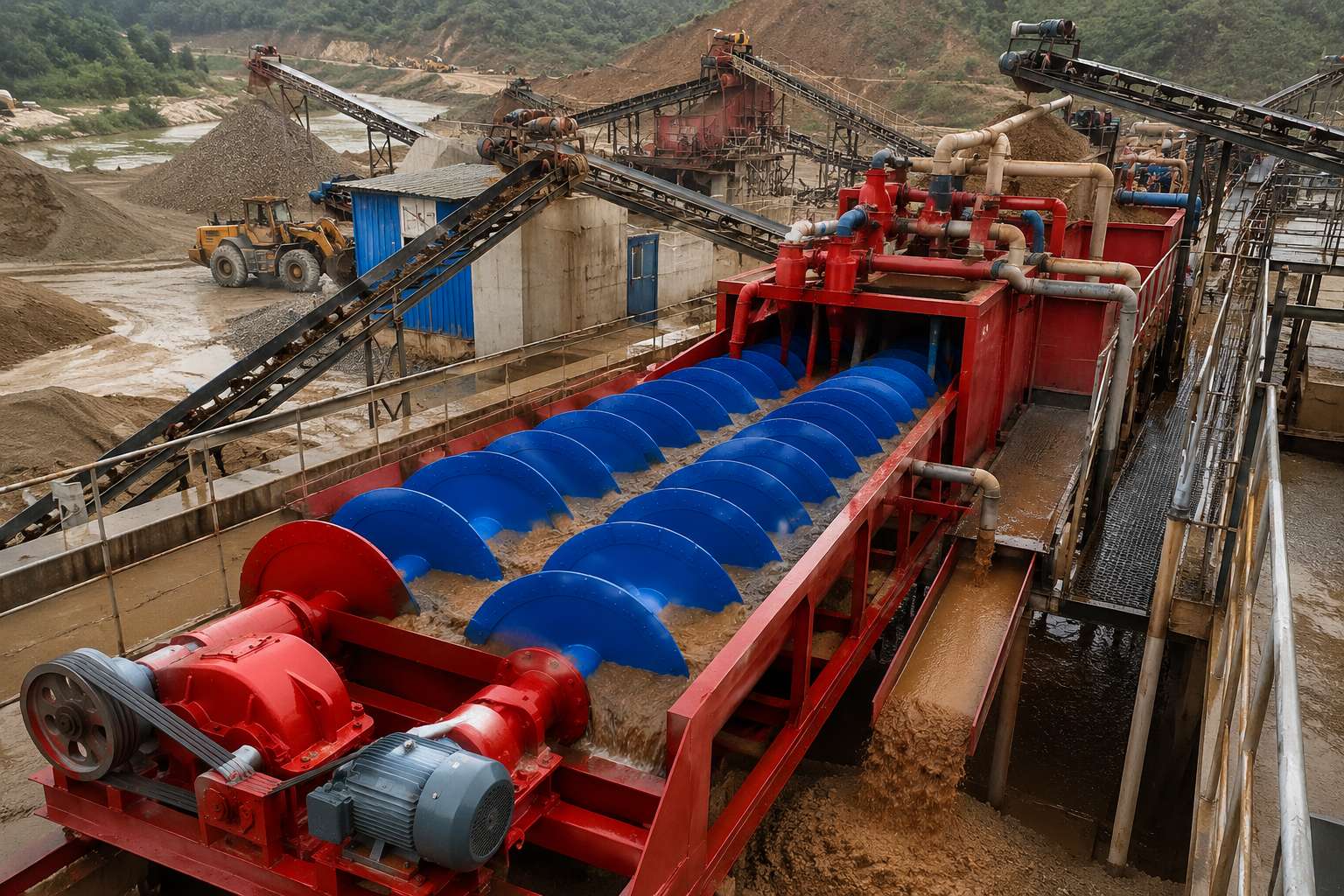
Start With the Maintenance Logic, Not the Nameplate
For after-sales teams, the real question is not just What is the difference between single and double spiral sand washing machine. The useful question is: which one creates different service risks once it has been running for weeks under wet, abrasive, uneven feed conditions?
Both machines wash and classify sand, but the maintenance pattern changes because the structure changes. A single spiral unit is simpler, lighter on parts count, and usually easier to open up and inspect. A double spiral washer gives higher handling capacity and more balanced material movement, but it also adds another screw shaft, another set of wear zones, more bearings to watch, and tighter alignment requirements. If your service plan treats them as the same machine with a different width, you usually end up short on spare parts or late on shutdown decisions.
Check the Load Path Before You Check the Wear Parts
This is where many field teams lose time. On a single spiral washer, the load path is straightforward: one shaft carries the lifting, scrubbing, and conveying work. When feed becomes muddy or oversized material enters the tank, that single shaft sees the full upset load. In practice, that means abnormal vibration, motor current fluctuation, and faster wear at one continuous working line.
A double spiral washer spreads material across two screws, so overload may look less dramatic at first. That does not mean it is easier to maintain. It means faults can hide longer. One side may start carrying more material because of uneven feed, a height difference, or local blade wear, while the machine still appears to be running normally. By the time operators report poor washing quality, one shaft may already be wearing faster than the other.
- On single spiral units, treat sudden torque rise as an immediate inspection trigger.
- On double spiral units, compare left and right wear, discharge pattern, and bearing temperature trend, not just overall output.
- If one side is consistently cleaner or fuller than the other, do not jump straight to replacing blades. Check feed distribution first.
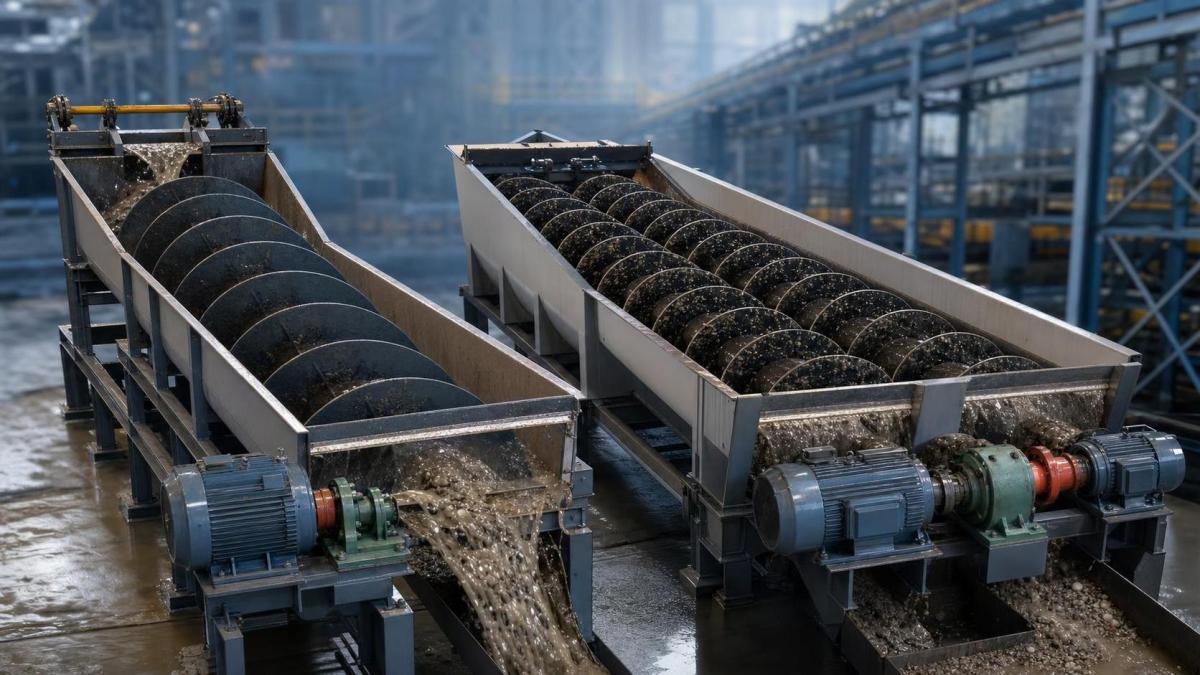
Inspect Different Wear Zones, Not Just More Wear Zones
A single spiral machine usually gives you a more predictable wear map. Blade edges, trough lining contact points, lower shaft support areas, and discharge-end transition zones are the places that show trouble first. That makes routine inspection simpler, especially for crews handling multiple sites.
With a double spiral washer, the issue is not only quantity of wear parts. The issue is matching wear between both spirals. If one screw loses blade height faster, material residence time changes and the washer stops behaving symmetrically. You may still get acceptable tonnage, but fines recovery and cleanliness can drift. Maintenance teams sometimes keep changing water settings when the real cause is uneven mechanical wear.
A practical checklist during shutdown:
- Measure blade wear at the feed end, mid-section, and discharge end.
- Compare both sides if it is a double spiral unit; do not inspect one side and assume the other is similar.
- Look for polishing, grooving, or local thinning on the trough and shaft supports.
- Check whether wear pattern matches the reported process issue. Dirty product and poor dewatering do not always come from the washer alone.
If the washing line also includes screening equipment, it helps to review upstream and downstream consumables together. For example, when a plant is already replacing dewatering or screening media, some teams use the same shutdown to inspect related components such as FEIFAN OEM Polyurethane PU Mine Screen Mesh for Vibrating Screening Quarry Crusher Dewatering mesh, because poor screening performance can be mistaken for a washer problem when product moisture or fines carryover changes.
Lubrication Workloads Are Not Equal
Single spiral units are easier to keep on a basic lubrication route because there are fewer rotating points to track. That matters at remote aggregate sites where maintenance logs are inconsistent or shifts change often. Fewer points usually means fewer missed points.
Double spiral units need stricter discipline. More bearings and rotating assemblies mean more chances for one neglected lubrication point to create a chain failure. What makes this tricky is that not every lubrication problem shows up as immediate noise. A slightly hot bearing on one screw can slowly push the machine out of smooth operation, then wear accelerates elsewhere.
When teams ask what maintenance difference matters most day to day, this is usually it: double spiral machines punish inconsistent routines more severely.
Alignment and Clearance Problems Show Up Differently
On a single spiral washer, misalignment often becomes obvious fairly quickly. You may hear rubbing, see irregular discharge, or find one wear strip going much faster than expected. Diagnosis is usually direct.
Double spiral machines can be more deceptive. You are no longer checking only whether a shaft is centered well inside the trough. You also need to watch how both spirals work relative to each other. If one side sits slightly off, the machine may continue running while gradually building uneven wear and inconsistent classification. That is why post-repair alignment checks should be more detailed on double spiral models, especially after bearing replacement, shaft work, or structural impact during transport and installation.
A common field mistake is to restart after repair because the machine turns freely by hand. Free rotation is only the first check. Under slurry load, clearance behavior changes.
Plan Spare Parts by Failure Pattern
If you stock parts the same way for both types, service delays are almost guaranteed. Single spiral washers often justify a leaner spare strategy because the parts list is simpler and fault isolation is faster. For double spiral washers, the spare plan should reflect paired components and the risk of uneven wear.
- Keep matched wear components where side-to-side balance matters.
- Record which side failed, not only which part failed.
- If one bearing or blade set is changed on a double spiral unit, inspect the paired side before closing the job.
- Do not assume reduced downtime just because the machine has two spirals. Redundancy in appearance is not the same as redundancy in maintenance.
Use a Short Decision Sequence During Service Calls
When a site reports poor cleaning, overflow problems, or unusual noise, this order usually saves time:
- Confirm whether the issue is process-related or mechanical: feed consistency, water condition, and upstream screening condition first.
- Identify washer type and inspect according to its actual risk pattern, not just its capacity class.
- For single spiral units, prioritize concentrated overload and localized wear checks.
- For double spiral units, prioritize side-to-side comparison: wear, temperature, feed distribution, and discharge symmetry.
- Only then decide whether the job needs adjustment, part replacement, or a scheduled shutdown.
That is the maintenance difference that really matters. Single spiral washers are usually simpler to read and quicker to service. Double spiral washers can support heavier production demands, but they require a more disciplined inspection method. If your team builds the checklist around load balance, paired wear, lubrication coverage, and alignment under real operating conditions, you will diagnose faster and avoid replacing the wrong parts.
Leave A Message
If you are interested in our products and want to know more details, please leave a message here, we will reply you as soon as we can.