What Determines Wire Mesh Replacement Cost in Screening Operations
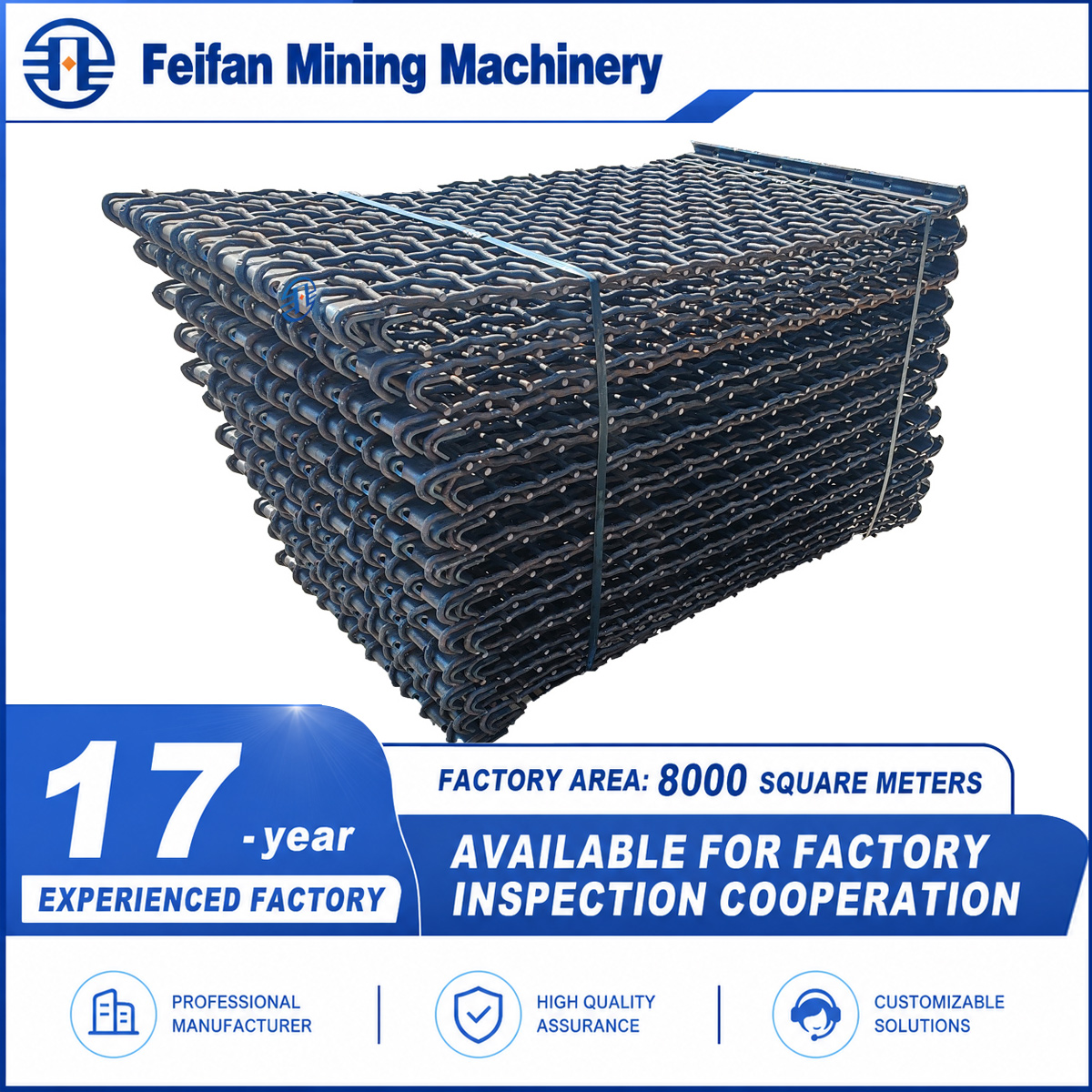
Wire mesh replacement cost in screening operations depends on far more than the quoted panel price. For financial decision-makers, the real cost comes from how long the mesh lasts, how it affects throughput, how often shutdowns occur, and whether the supplier can support stable production. A lower purchase price may reduce immediate spending, but it can increase operating cost if wear life is short or screening performance drops.
In mining and aggregate plants, Wire mesh is a consumable that directly influences output, maintenance planning, and budget control. That is why replacement decisions should be evaluated through total cost of ownership rather than invoice price alone. When procurement, operations, and maintenance align on the right criteria, businesses can reduce unplanned downtime and improve long-term cost efficiency.
Why unit price alone does not explain Wire mesh replacement cost
Many buyers first compare the price per panel or per square meter. While this is a natural starting point, it does not reflect the full economic impact of a mesh replacement decision. Two meshes with similar dimensions may produce very different results in service life, maintenance frequency, and screening consistency.
For a financial approver, the practical question is simple: how much production value is gained or lost over the life of each screen? If one option costs more upfront but lasts significantly longer and reduces shutdown frequency, it may be the lower-cost choice over time. This is the central point behind evaluating Wire mesh replacement cost properly.
In real screening operations, every replacement event includes hidden expenses such as labor, machine stoppage, potential delays in downstream processes, and inventory pressure from keeping spare panels on hand. These secondary costs often exceed the visible difference between cheap and premium mesh products.
Material type is one of the biggest cost drivers
The material of the screen mesh has a direct influence on wear resistance, screening accuracy, noise level, and maintenance interval. Common options include woven steel wire mesh, polyurethane screen mesh, and other application-specific designs. Each material comes with a different balance of purchase cost and service performance.
Steel wire mesh is often selected for its lower initial cost and broad applicability. It works well in many standard screening conditions, especially where replacement frequency is manageable and material characteristics are not excessively abrasive. However, in harsher environments, the shorter wear life of steel can drive up overall replacement spending.
Polyurethane screen mesh usually carries a higher initial price, but it often delivers longer service life, better wear resistance, and lower noise. In operations handling abrasive stone, sand, gravel, or wet materials, this longer lifespan can reduce shutdowns and labor costs enough to justify the higher upfront investment.
For finance teams, the right comparison is not steel versus polyurethane by purchase price. The useful comparison is cost per effective operating hour, or cost per ton screened. That approach turns material selection into a measurable business decision instead of a basic procurement exercise.
Wear life matters more than many budgets initially assume
Wear life is one of the strongest predictors of replacement cost because it determines how often panels must be purchased, installed, and stocked. In high-volume aggregate plants, even a modest extension in service life can produce meaningful savings over a year.
Several factors affect wear life, including feed size, material abrasiveness, moisture content, vibration intensity, tensioning quality, and whether the screen opening design matches the application. A mesh that is technically compatible but poorly matched to plant conditions may wear prematurely and distort budget forecasts.
This is why finance approvals benefit from asking operations teams for actual service records instead of relying only on catalog specifications. Historical replacement intervals, failure causes, and throughput changes provide better evidence for comparing suppliers and product types.
Where a plant is also investing in upstream equipment modernization, it is useful to assess screening media together with the full process line. For example, integrated equipment suppliers can sometimes improve wear balance and plant coordination when crushers, screens, and spare parts are sourced within a unified system, such as OEM Global After Sales Service Fast Worldwide Delivery Mining Sand Stone Crushing Crusher .
Downtime often outweighs the purchase price difference
Every mesh replacement event can interrupt production, consume maintenance labor, and create scheduling disruptions across the plant. If a screening machine is a bottleneck asset, one hour of stoppage may cost more than the price gap between two mesh options.
This is especially true in mining and aggregate production, where material flow is continuous and downstream equipment depends on stable screening performance. When the mesh fails unexpectedly, the resulting cost is not limited to a spare part. It can include reduced crusher utilization, delayed shipments, and missed production targets.
Financial approvers should therefore ask how often the proposed mesh requires planned replacement, how likely it is to fail early, and how quickly the supplier can deliver emergency replacements. A supplier with consistent quality control and fast logistics may offer lower operational risk, even if the product price is not the lowest.
Screening efficiency also changes the economics
Wire mesh does not only separate material. It also affects the quality and volume of the final product. If the opening accuracy is inconsistent or blinding occurs frequently, the plant may experience lower throughput, poor gradation control, and reprocessing losses.
From a finance perspective, this means replacement cost is linked to revenue quality as well as maintenance expense. A mesh that maintains clean separation and stable opening geometry can support more predictable product output and reduce waste or rework.
In some cases, buyers focus heavily on wear resistance but overlook screening efficiency. That can be a mistake. A very durable mesh is not necessarily the most economical if it lowers capacity or compromises specification compliance. The best option is the one that balances lifespan with process performance.
Customization can reduce cost when operating conditions are specific
Standard mesh products are suitable for many plants, but custom screen meshes can create better economics when material characteristics or machine configurations are unusual. Aperture shape, panel thickness, fastening style, and support structure can all influence service life and screening quality.
For example, wet and sticky material may require a design that resists clogging. Highly abrasive stone may justify thicker or more wear-resistant media. Large-scale operations with strict uptime targets may benefit from mesh designs that shorten installation time and simplify maintenance planning.
Custom solutions often carry a higher unit price, but they can reduce total replacement cost when they solve a recurring operating problem. For financial reviewers, the key is to ask whether the customization addresses a measurable issue such as excessive wear, repeated blinding, or high replacement labor.
Supplier reliability is part of the cost equation
Not all replacement cost drivers are inside the mesh itself. Manufacturing consistency, technical guidance, lead time, and after-sales support can all affect the real economics of screening operations. If screen openings vary, quality control is weak, or deliveries are delayed, the plant may face hidden costs that were not visible at quotation stage.
Working with a manufacturer that combines production capability, engineering support, and stable export service can lower procurement risk. This becomes especially important for international buyers managing multiple sites or trying to standardize maintenance decisions across operations.
In many cases, buyers gain efficiency by working with a partner that understands both screening media and the broader plant system. When spare parts planning, equipment matching, and service responsiveness are aligned, cost control becomes more predictable. That is also why some operators prefer sourcing from companies that can support both screen media and core process equipment, including OEM Global After Sales Service Fast Worldwide Delivery Mining Sand Stone Crushing Crusher .
How financial decision-makers should evaluate replacement proposals
To make stronger purchasing decisions, finance teams should compare replacement options using a simple operational framework. Start with unit price, then add expected wear life, installation labor, downtime cost, production impact, spare inventory needs, and supplier lead time. This creates a more realistic cost model.
It is also useful to request data from suppliers in a comparable format. Ask for expected application range, recommended material type, historical wear performance in similar conditions, and delivery commitment. A proposal supported by application knowledge is usually more reliable than one based only on a low quotation.
Where possible, track cost per ton screened over several replacement cycles. This metric helps reveal which mesh actually performs better financially. It also creates a stronger basis for future approvals, vendor negotiations, and annual maintenance budgeting.
Conclusion: the lowest mesh price is rarely the lowest operating cost
What determines Wire mesh replacement cost in screening operations is the combined effect of material choice, wear life, downtime risk, screening efficiency, customization value, and supplier reliability. The quoted price matters, but it is only one part of the decision.
For financial approval teams in mining and aggregate production, the most practical approach is to judge Wire mesh through total operating value. When the mesh lasts longer, protects throughput, and reduces unplanned stoppages, it contributes directly to better budget performance. A disciplined evaluation process leads to smarter procurement and more stable production economics.
Leave A Message
If you are interested in our products and want to know more details, please leave a message here, we will reply you as soon as we can.