Mining Equipment Categories Explained: From Extraction to Material Handling
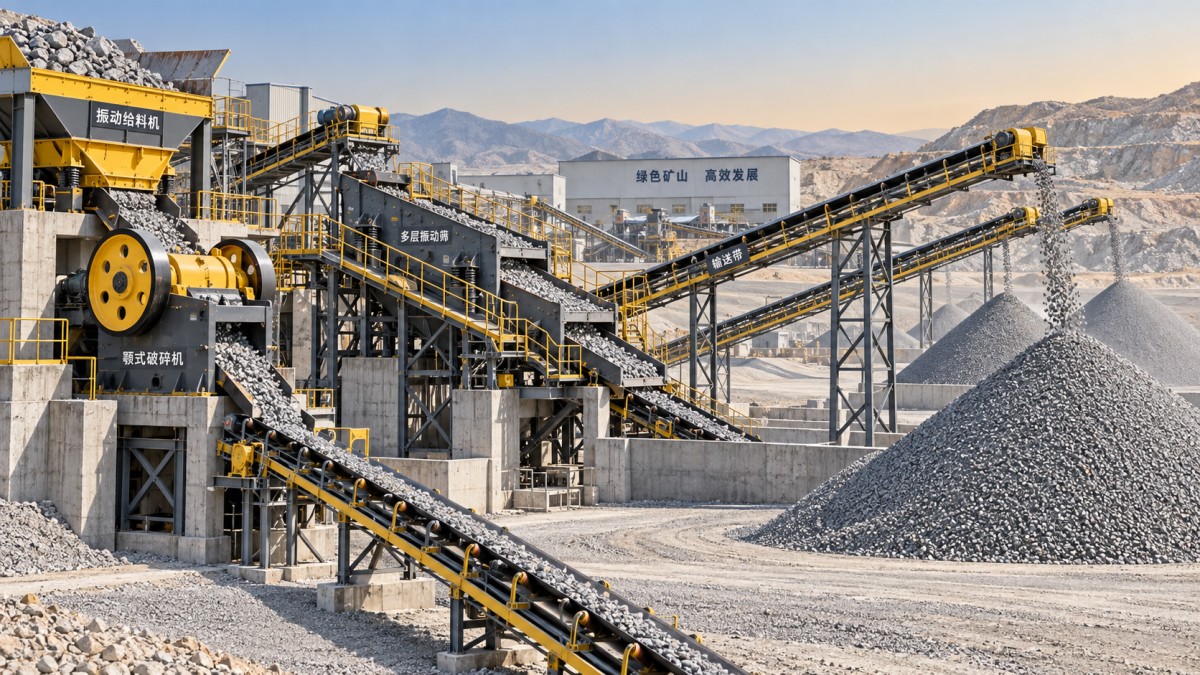
Mining equipment is best understood as a connected material-flow system, not a collection of separate machines. In a sand and gravel operation, rock or sand must be received, fed at a controlled rate, reduced to the required size, separated by specification, cleaned when necessary, and transferred to stockpiles or loading points. A capable crusher cannot compensate for poor feeding, blocked screening media, or an undersized conveyor.
For anyone researching a new aggregate line or an upgrade, the useful question is not simply “Which machine do I need?” It is: what must happen to the material between its arrival and its final saleable form? The answer determines which categories of mining equipment belong in the line and how they should be matched.
Start with the material, not the machine name
Equipment selection begins with the feed material: its hardness, moisture, clay content, maximum lump size, natural gradation, and required finished products. A dry, clean granite feed behaves very differently from damp river sand containing clay and organic fines. The same screen opening or crusher type may deliver acceptable results in one condition and create constant downtime in another.
Production capacity also needs context. A line rated for a certain hourly output may not maintain that output when the feed contains more fines, fluctuates in size, or arrives unevenly from the loading area. In practice, stable feed and properly sized transfer equipment are often as important as the main crushing machine.
The main mining equipment categories in an aggregate operation
1. Extraction and feed control equipment
At the front of the process, excavators, loaders, hoppers, and feeders receive and regulate raw material. Although excavators and loaders are often considered mobile plant rather than processing equipment, their loading pattern directly affects the rest of the line.
Feeders move material from a hopper or stockpile to the next machine at a controlled rate. They prevent sudden surges that can overload a crusher or bury a screen deck. Vibrating feeders are commonly used where material needs to be spread evenly and smaller particles should pass through before primary crushing. For sticky or variable feed, the feeder design and hopper geometry deserve close attention; a high-capacity crusher is of little value if the material bridges above it.
2. Crushing equipment
Crushers reduce rock into smaller, manageable sizes. Their role depends on the stage of reduction:
- Primary crushers accept larger feed and perform the first major size reduction. Jaw crushers are widely used where the feed is coarse and irregular.
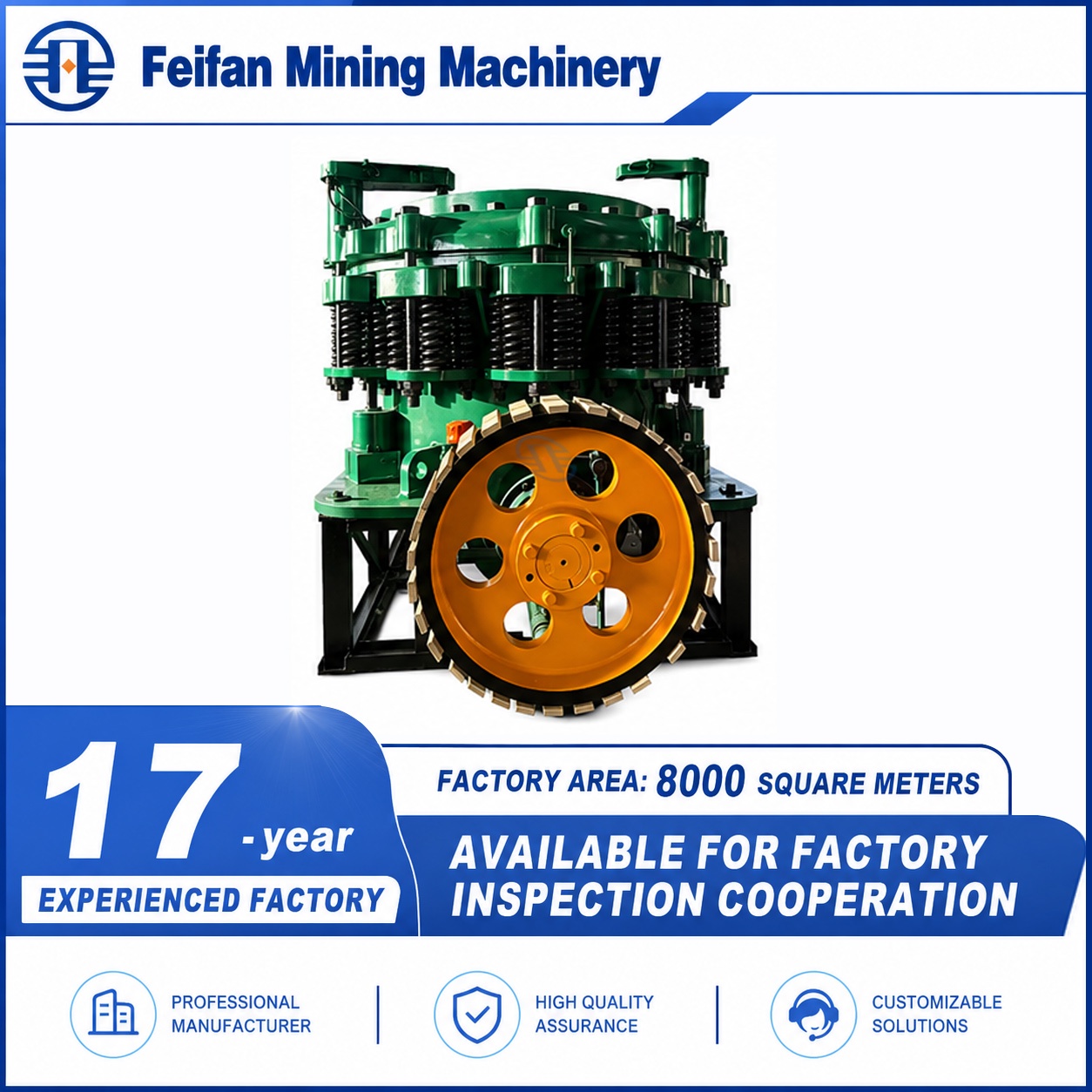
- Secondary crushers take material that has already been reduced and produce a more controlled intermediate size. Cone crushers are often selected for harder stone and continuous crushing duties.
- Tertiary crushers and sand-making machines refine material further, often to improve particle shape or create manufactured sand and fine aggregate.
Crushing is not only about making material smaller. The crusher must suit the rock characteristics and the desired output shape. A machine chosen only by maximum feed size can produce too many elongated particles, excessive fines, or unnecessary wear. The closed-side setting, screen arrangement, and recirculation path all affect the final result.
3. Screening equipment
Vibrating screens separate material by size. They may remove fines before crushing, divide crushed stone into several saleable grades, or return oversized material for further reduction. In many aggregate plants, screening determines whether the final product actually meets the required gradation.
Screen performance depends on more than the screen box. Deck slope, vibration characteristics, feed distribution, moisture, and screen media all influence separation. Fine, damp material can blind the openings, while highly abrasive stone can wear conventional wire mesh quickly. Polyurethane panels, woven wire screens, and other screen media are selected according to the material, aperture size, wear demand, and required open area.
A common mistake is treating screen mesh as a minor consumable. It is a production component. The wrong media can reduce capacity, allow out-of-spec material to pass, or create frequent maintenance stops even when the screen itself is properly sized.
4. Washing and classification equipment
Washing equipment is used when finished aggregate must be cleaner, when clay and silt must be removed, or when fine sand needs recovery and classification. The required process depends on whether the feed is dry crushed stone, naturally wet sand, or material with significant contamination.
Wheel sand washers are commonly used for washing and dewatering sand fractions. They can fit operations that need a straightforward washing stage, but they should be assessed together with water supply, drainage, slurry handling, and the amount of valuable fine sand that may be carried away with the wash water. A washer should not be selected as an isolated machine when the real issue is uncontrolled fines upstream.
For operations handling both dry sand and wet sand conditions, a product such as the FEIFAN Multi Functional Wheel Sand Washer Device For Dry Sand Wet Sand Processing Anti Blocking Machine can be a relevant category to examine. The practical fit still depends on feed gradation, moisture variation, required cleanliness, and how the site manages discharged water and fines.
5. Conveying, transfer, and stockpiling equipment
Belt conveyors link the entire process. They move material between the feeder, crusher, screen, washer, stockpile, and loading area with less repeated loader handling. Their importance is easy to underestimate because they do not change the material itself, yet a transfer bottleneck can restrict the whole plant.
Conveyor width, belt speed, incline, transfer chute design, and receiving capacity should match the actual material flow. Poor chute design can cause belt mistracking, spillage, dust, and accelerated wear. Stockpiling equipment also matters: separate, stable stockpiles help preserve product size classifications and reduce contamination during loading.
How the categories work as one process
A typical crushed aggregate flow may be: hopper and feeder, primary crusher, conveyor, screen, secondary crusher for oversize material, final screen, then conveyors to separate stockpiles. If manufactured sand is required, a tertiary crushing or sand-making stage may be added. If the material contains unwanted fines or clay, washing and dewatering are introduced after the appropriate sizing stages.
Natural sand and gravel often follow a different route. The feed may need scalping, washing, screening, sand recovery, and classification rather than intensive crushing. This is why an equipment list copied from another site can be misleading. Two plants can sell similar products while requiring very different flowsheets.
Three selection errors that create expensive problems
Choosing each machine separately. Equipment should be sized around the same design throughput, with sensible allowance for changing feed conditions. A screen that cannot handle the crusher discharge, or a conveyor that cannot clear the screen, becomes the limiting point.
Ignoring recirculating load. In a closed-circuit crushing stage, oversize material returns to the crusher. That returning material adds to the crusher and conveyor load. Looking only at fresh feed can lead to undersized equipment and unstable production.
Focusing only on tonnage. Tonnage matters, but product quality, wear costs, water management, access for maintenance, and spare-part availability also shape operating results. A line that produces the right volume but needs frequent stoppages to clear blocked screen media is not well matched to its material.
What to confirm before comparing suppliers
Prepare a simple material and product brief before requesting a proposal: the source material, maximum feed size, approximate moisture and clay condition, desired finished sizes, whether washing is required, expected operating hours, site layout limits, power arrangement, and water-handling approach. Photos and representative material samples can help clarify issues that a capacity figure alone cannot show.
For a complete sand and gravel line, it is also useful to ask how the supplier handles the connection between crushing, screening, conveying, and screen media. Manufacturers that cover crushers, vibrating screens, belt conveyors, washing equipment, and custom screen meshes can evaluate those interfaces as a system rather than treating each machine as an independent purchase.
The most suitable mining equipment arrangement is therefore not the longest equipment list or the largest individual machine. It is the process that accepts the real feed material, produces the required grades consistently, and remains practical to operate and maintain from extraction through final material handling.
Leave A Message
If you are interested in our products and want to know more details, please leave a message here, we will reply you as soon as we can.