Stainless Steel vs High Carbon Wire Mesh for Wet and Dry Screening
If you are comparing stainless steel and high carbon wire mesh for screening, the real question is not which material sounds better on paper. It is which one will hold shape, resist wear, control downtime, and make sense for your process cost. In mining and aggregate plants, the right choice depends heavily on whether the screen works in wet or dry conditions, what material is being processed, and how often screen media replacement interrupts production.
A short answer: high carbon wire mesh is usually the stronger value for dry screening with abrasive stone, sand, and aggregates, while stainless steel wire mesh becomes the better decision when wet screening, corrosion, contamination control, or chemical exposure is part of the job. That sounds simple, but many buying decisions go wrong because people compare only purchase price and ignore operating conditions.
Why wire mesh selection changes the economics of screening
Screen media is a wearing part, but it also affects throughput, separation efficiency, and maintenance frequency. A mesh that costs less upfront can still become the expensive option if it blinds easily, stretches too soon, corrodes in slurry service, or forces more shutdowns.
In actual plant evaluation, three things matter more than brochure language:
- How abrasive the feed is
- Whether the process is wet or dry
- How much unplanned stoppage costs per hour
That is why stainless steel and high carbon wire mesh should not be treated as interchangeable options.
Stainless steel vs high carbon wire mesh: the practical difference
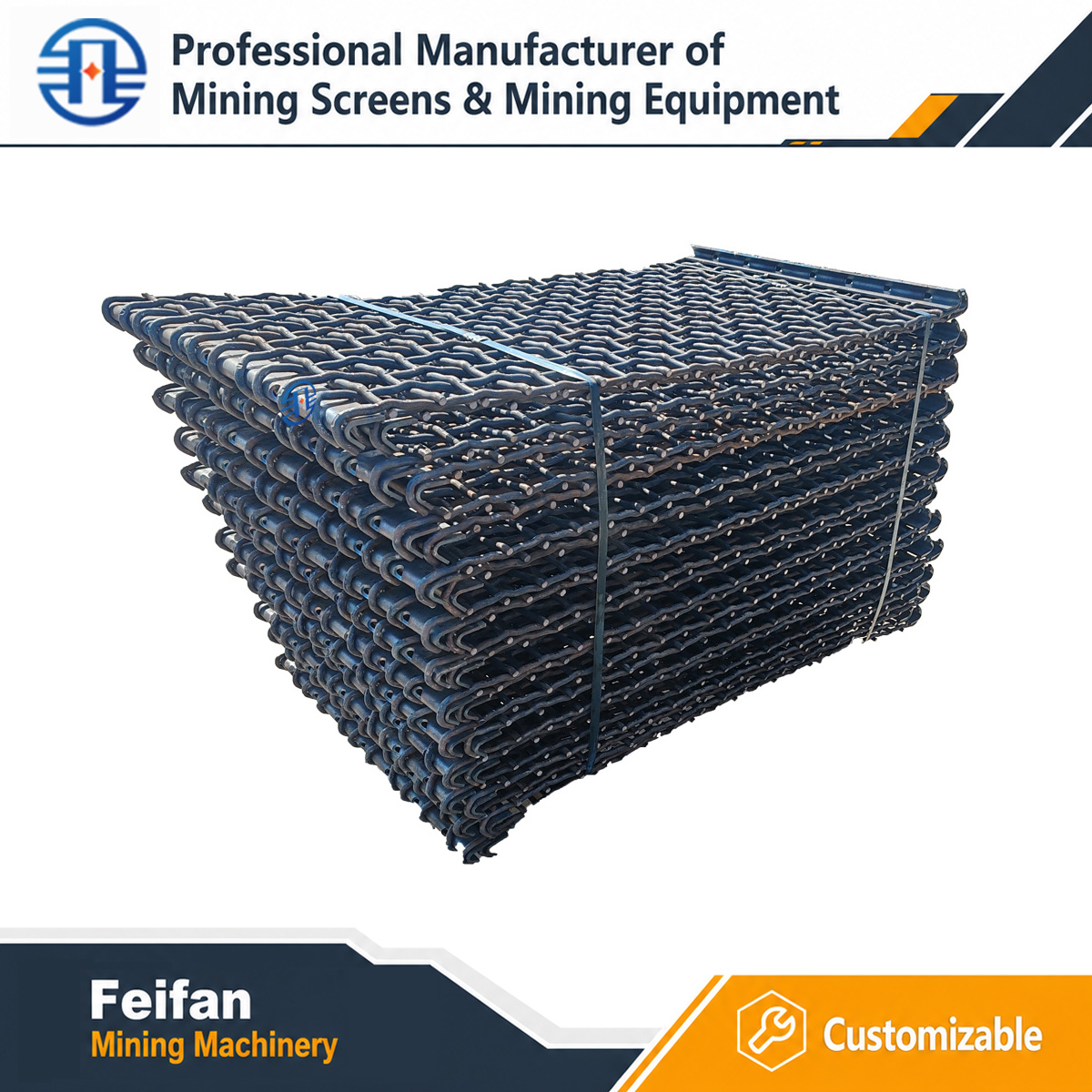
High carbon wire mesh is widely used because it offers high tensile strength and good wear resistance in dry screening applications. It is a common choice for crushed stone, quarry materials, and many aggregate lines where abrasion is high and corrosion is limited.
Stainless steel wire mesh is chosen less for raw strength economics and more for environmental resistance. It performs better where water, moisture, acidic conditions, or rust-sensitive materials are involved. In wet screening, that difference can matter a lot more than many buyers first expect.
One common mistake is assuming stainless steel always lasts longer. Not necessarily. If the screening duty is dry, highly abrasive, and mechanically aggressive, high carbon mesh may deliver better wear life for the money. Stainless steel wins when corrosion is part of the failure mechanism, not when abrasion is the only enemy.
Wet screening: where stainless steel wire mesh often makes more sense
Wet screening creates a harsher environment than many non-operators realize. Water, slurry, fine particles, and sometimes chemical content work together on the screen surface. Even when corrosion looks minor at first, it can weaken wires, affect aperture stability, and shorten useful life.
In these conditions, stainless steel wire mesh is often the safer selection because it helps reduce:
- Rust-related weakening
- Surface contamination
- Premature failure in humid or corrosive environments
- Maintenance caused by oxidation after shutdown periods
This is especially relevant in coastal regions, high-humidity plants, mineral washing systems, and lines where screen panels may sit wet between shifts. If the screening environment regularly stays damp, corrosion resistance stops being a “nice to have” and becomes part of service life.
That said, stainless steel is not a universal answer for every wet application. If the feed is extremely abrasive, buyers should check actual wear patterns and not rely on material type alone. Mesh diameter, weave style, aperture size, support structure, and machine vibration also affect outcome.
Dry screening: why high carbon wire mesh is still the default in many plants
For dry screening of quarry stone, gravel, and manufactured sand, high carbon wire mesh remains a practical standard for a reason. It usually offers a strong balance between tensile strength, wear resistance, and replacement cost.
When the main problem is abrasion rather than corrosion, high carbon wire mesh often gives better cost efficiency across the replacement cycle. Many experienced plant managers would rather replace a well-priced high carbon screen on a predictable schedule than overpay for stainless steel that does not add enough service benefit in dry duty.
This matters even more in high-volume lines. A screen deck processing large tonnage every day needs media that can keep shape under repeated vibration and impact. If the material is sharp and aggressive, high carbon mesh can be the more rational choice.
In a crushing and screening system, media choice should also be aligned with upstream equipment output. For example, if your line is built around a primary unit such as FEIFAN PE500×750 Jaw Crusher 50-100tph for Quarry Stone with Wear-Resistant Jaw Plates CE Certified Machine, the feed gradation and material hardness coming into the screen should be reviewed together with the mesh material, not as separate purchasing decisions.
What business evaluators usually overlook
The first overlooked point is that “service life” is not one number. A mesh can fail by wear, deformation, corrosion, blinding, or broken hooks. Two meshes may look similar in quotation form but fail in completely different ways onsite.
The second is that labor and downtime often cost more than the screen itself. If replacement is difficult, access is poor, or the line runs on tight delivery schedules, the lower-priced mesh may not be the lower-cost option.
The third is supplier capability. A reliable screen media partner should understand not only mesh material, but also the full line: crushers, vibrating screens, feed conditions, and maintenance constraints. Groups with long-term experience in mining and aggregate systems usually give more useful selection advice because they can connect the mesh choice to the machine and the process. In that context, manufacturers with integrated capabilities in screen meshes, screening machines, conveyors, and turnkey aggregate lines tend to be easier to work with when the application is not straightforward.
That is one reason some buyers prefer source manufacturers with in-house production and engineering support. A group with established wire mesh manufacturing, mining machinery production, export experience, and EPC background can usually respond faster when a customer needs matching recommendations across the whole screening circuit instead of only a standalone mesh quote.
A simple way to decide
If you need a fast internal recommendation, use this logic:
- Choose high carbon wire mesh first for dry, abrasive, high-tonnage screening where corrosion is limited and cost control is critical.
- Choose stainless steel wire mesh first for wet screening, humid plants, corrosive environments, or applications where rust and contamination create operating risk.
- Pause and verify the details if the process is both highly abrasive and frequently wet. That is where material grade, wire diameter, and screen structure need closer review.
Before placing an order, confirm feed size, moisture level, open area requirement, vibration intensity, expected wear pattern, and replacement interval targets. If those basics are unclear, the comparison between stainless steel and high carbon wire mesh stays too theoretical to be useful.
For most screening operations, there is no “best” mesh in isolation. There is only the better fit for the working condition. When you compare stainless steel and high carbon wire mesh this way, the decision usually becomes much clearer.
FAQ
Is stainless steel wire mesh always more durable?
No. It is usually more corrosion-resistant, but in dry and highly abrasive screening, high carbon mesh may deliver better wear value.
Which wire mesh is better for sand and gravel plants?
In many dry sand and gravel applications, high carbon wire mesh is the more common and cost-effective choice. Wet circuits need separate evaluation.
Should I decide only by initial purchase price?
No. Downtime, replacement frequency, and screening efficiency often have a bigger financial impact than the quoted mesh price.
What should I confirm with the supplier before buying?
Ask about feed material, moisture, aperture size, wire diameter, tensioning method, machine model, and expected failure mode.
Can one plant use both stainless steel and high carbon wire mesh?
Yes. Some operations use different mesh materials on different decks or in different process sections based on moisture and wear conditions.
Internal Link Anchor Text Suggestions
- Vibrating screen mesh selection guide: screening media category or buying guide page
- Wet screening equipment for aggregate plants: solution page for washing and screening lines
- High carbon steel screen mesh for quarry use: product category page
- How to reduce screen downtime in crushing plants: maintenance or technical article page
- Jaw crusher and screening line configuration: production line solution page
External Source Suggestions
- Screen media and screening efficiency technical documents from established screening equipment brands
- Mining or aggregate industry association publications on screening performance and maintenance
- Material grade and corrosion-resistance references from stainless steel or wire material standards organizations
Leave A Message
If you are interested in our products and want to know more details, please leave a message here, we will reply you as soon as we can.