Linear Vibrating Screen Maintenance Points That Help Prevent Bearing Failure
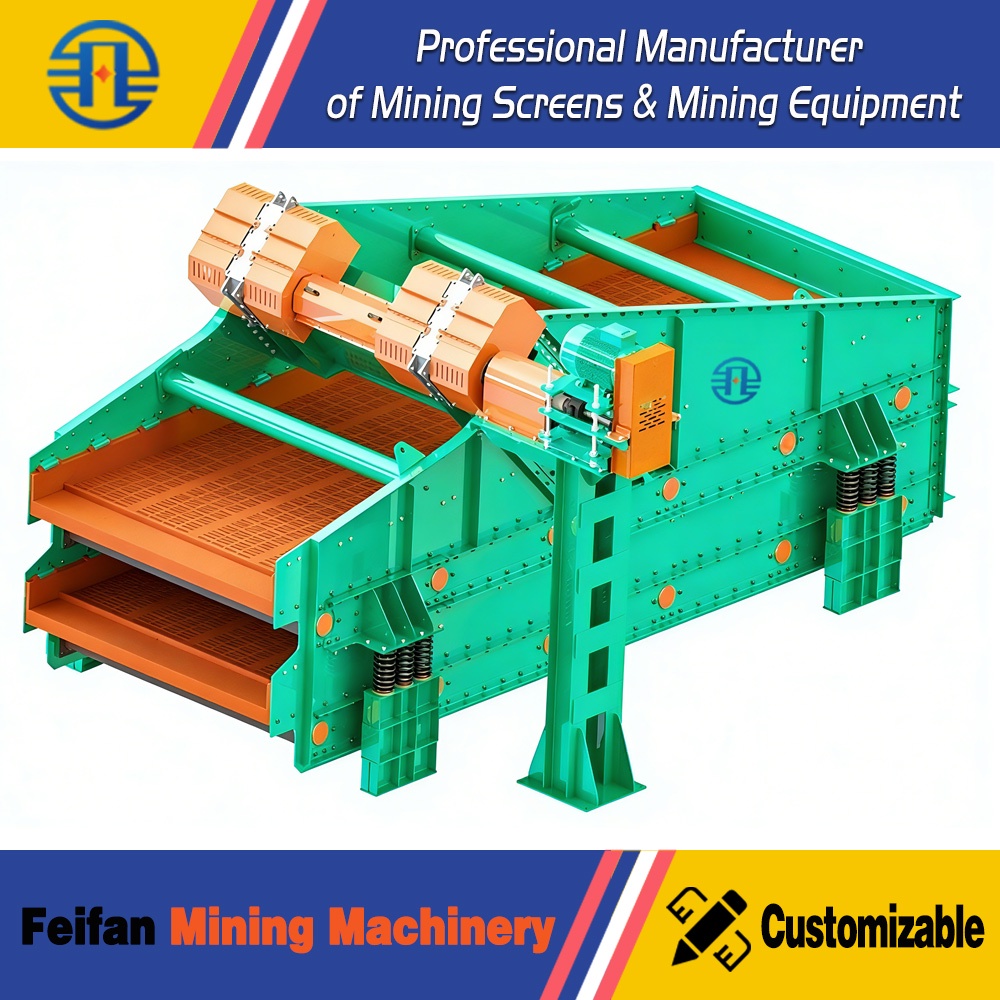
For after-sales maintenance teams, keeping a Linear Vibrating Screen running reliably starts with protecting its bearings. Small issues such as poor lubrication, loose fasteners, shaft misalignment, or material buildup can quickly lead to overheating, abnormal vibration, and costly downtime. Understanding the key maintenance points behind bearing failure helps technicians extend equipment life, improve screening stability, and reduce unexpected shutdowns in demanding mining and aggregate applications.
In field service, bearing failure is rarely an isolated component problem. On a linear vibrating screen, the bearing usually becomes the first visible casualty of a deeper issue: vibration force imbalance, lubrication contamination, poor installation accuracy, structural looseness, or unstable feed conditions. If maintenance work only replaces the damaged bearing without correcting the root cause, the machine often returns with the same fault after a short operating cycle.
Why bearings fail early on a Linear Vibrating Screen
Linear vibrating screens operate under continuous cyclic loads. Compared with many rotating machines, their bearings do not simply carry radial load at steady speed. They are exposed to repeated excitation force, rapid acceleration changes, dust, moisture, and sometimes fine abrasive slurry or sticky material. In mining and aggregate plants, these conditions make the bearing housing one of the most sensitive points in the entire machine.
From an after-sales perspective, the most common failure pattern is not pure bearing quality defect. More often, failure begins with one of the following:
- Insufficient or excessive grease
- Mixed grease types causing lubrication breakdown
- Dust or water ingress through damaged seals
- Loose foundation bolts or side plate fasteners
- Motor or exciter misalignment
- Unbalanced material distribution on the screen deck
- Cracks in the support structure transferring abnormal stress
- Long operation at resonance-like conditions during startup or shutdown
What matters in practice is that the bearing often records the machine’s operating history. A blue discoloration ring, pitting, cage fracture, uneven race wear, or grease hardening each points to a different maintenance mistake. Good service work depends on reading those signs correctly.
Lubrication mistakes are still the biggest avoidable cause
In many sites, technicians know lubrication matters, but the failure comes from how lubrication is managed rather than whether grease is added. Linear vibrating screen bearings need the right grease type, the right fill quantity, and the right replenishment interval. Too little grease leads to dry friction and heat. Too much grease causes churning, increased temperature, and seal damage. Both conditions can end in the same result: early bearing seizure.
Several practical points deserve attention:
- Follow the equipment maker’s grease specification whenever available. If substitution is necessary, check compatibility rather than mixing brands blindly.
- Do not assume more frequent greasing is safer. In dusty mining environments, over-greasing can push contaminants inward if the sealing path is weak.
- Monitor grease discharge color and texture. Darkened grease, metallic particles, or emulsified grease usually indicate a larger problem than simple aging.
- Standardize grease gun use. Uncontrolled manual lubrication by different shifts is a common reason for inconsistent bearing condition.
Where the production line includes wet classification or dewatering stages, the maintenance team should pay even closer attention to moisture migration near vibration equipment. Machines such as the FEIFAN CE Approved High Frequency Dewatering Machine for Mining Sand and Tailings Processing Machine operate in process sections where water control, sealing quality, and disciplined lubrication practice are directly tied to bearing life. The lesson carries over to linear screens as well: once moisture and fines enter the housing, lubrication intervals alone will not solve the problem.
Fastener looseness often shows up as a bearing problem first
One of the most underestimated causes of repeated bearing failure is structural looseness. A screen can continue running with slightly loose bolts, worn bolt holes, or relaxed spring seat connections, but the vibration path changes. Instead of transmitting force evenly through the frame, the machine starts creating local impact loads. Bearings then absorb abnormal dynamic stress that they were never meant to carry.
After-sales teams should treat bolt inspection as a bearing protection task, not just a structural task. Focus especially on:
- Exciter mounting bolts
- Motor base bolts
- Side plate connection bolts
- Spring support and pedestal fasteners
- Foundation anchor bolts
If bolts repeatedly loosen after retightening, the issue may not be torque alone. Check for mating surface wear, frame distortion, damaged threads, and vibration-induced hole elongation. A bearing replacement done without restoring joint integrity usually leads to another service call.
Misalignment and assembly accuracy matter more than many sites expect
In repair workshops, it is common to focus on installing a new bearing quickly to restore production. But on a Linear Vibrating Screen, installation accuracy has a direct effect on service life. Shaft journal wear, housing bore deviation, uneven tightening, and improper fit tolerance can all generate edge loading. The screen may still run, yet bearing temperature climbs and noise appears within days or weeks.
During maintenance, check these points carefully:
- Whether the shaft journal is worn, scored, or out of round
- Whether the housing seat is deformed or fretted
- Whether both sides of the exciter assembly are aligned within maker requirements
- Whether fits are too tight or too loose after previous repairs
- Whether locknuts, sleeves, and spacers are installed in the correct sequence
A common field error is using forceful hammering during bearing mounting. Even if the damage is not immediately visible, impact can mark raceways and shorten fatigue life. For recurring failures, measuring shaft and housing dimensions is often more valuable than replacing another bearing set from stock.
Material buildup and uneven feeding create hidden overload
Not every bearing failure begins inside the bearing chamber. In many quarry and mining applications, the screen deck gradually accumulates sticky fines, wet clay, or oversize wedged near discharge zones. Once material flow becomes uneven, one side of the screen carries a different load profile from the other. The exciter and bearings then run under asymmetrical stress.
This is why maintenance teams should not separate process symptoms from mechanical symptoms. If operators report reduced screening efficiency, unusual deck accumulation, or off-center discharge, that information is relevant to bearing diagnosis. A machine that is mechanically sound but process-loaded unevenly will still consume bearings.
During routine inspection, watch for:
- Material buildup around side plates and discharge lips
- Blocked spray systems or poor water distribution where washing is involved
- Damaged or uneven screen media tension
- Feed chute misdirection causing one-sided loading
- Changes in feed gradation or moisture outside original design assumptions
In plants handling wet sand, tailings, or fine aggregates, maintenance experience from other vibrating units can be useful. For example, teams responsible for equipment such as the FEIFAN CE Approved High Frequency Dewatering Machine for Mining Sand and Tailings Processing Machine often develop stronger routines around buildup removal, moisture isolation, and seal checks. Those same routines can reduce repeat bearing issues on linear screens operating nearby in similar conditions.
Temperature and vibration trends are more useful than one-time inspections
Many bearing failures could be prevented if trend monitoring replaced occasional visual checks. A single temperature reading tells little unless it is compared with the normal range for that machine under that load. The same is true for vibration. After-sales teams that keep simple records usually diagnose faster and avoid unnecessary part replacement.
Useful field records include:
- Bearing housing temperature by side and by shift
- Greasing date, quantity, and grease type
- Motor current changes under stable feed conditions
- Vibration amplitude and any obvious orbit change
- Noise description: rumble, knocking, high-pitch whine, intermittent scrape
If one side consistently runs hotter, do not assume the bearing itself is defective. Compare feed distribution, spring condition, exciter synchronization, and frame stiffness. The temperature difference is often a symptom of load path imbalance.
What experienced maintenance teams check before replacing the bearing
When a screen arrives with bearing overheating or failure, the fastest repair is not always the best repair. Strong service teams usually inspect the surrounding system before opening the bearing package. That approach reduces comeback risk.
A practical sequence is:
- Confirm lubrication history and current grease condition
- Check for external looseness, cracks, and abnormal witness marks
- Inspect springs, support seats, and base levelness
- Review feed pattern and recent process changes
- Measure shaft and housing condition before fitting a new bearing
- Verify seal integrity and contamination path
- Run the machine unloaded briefly, then under controlled load, while tracking temperature rise
This matters commercially as well as technically. In export markets and remote project sites, repeat shutdowns are expensive not only because of spare parts, but because they damage customer confidence in the entire line. Preventing bearing failure on a Linear Vibrating Screen is therefore part of lifecycle service quality, not just equipment maintenance.
The most effective mindset is simple: treat every failed bearing as evidence, not as the root cause. Once maintenance teams link lubrication discipline, structural tightness, assembly precision, and process stability into one inspection routine, bearing life usually improves noticeably and screen reliability becomes far more predictable.
Leave A Message
If you are interested in our products and want to know more details, please leave a message here, we will reply you as soon as we can.