Is a banana screen worth the investment for bulk screening?
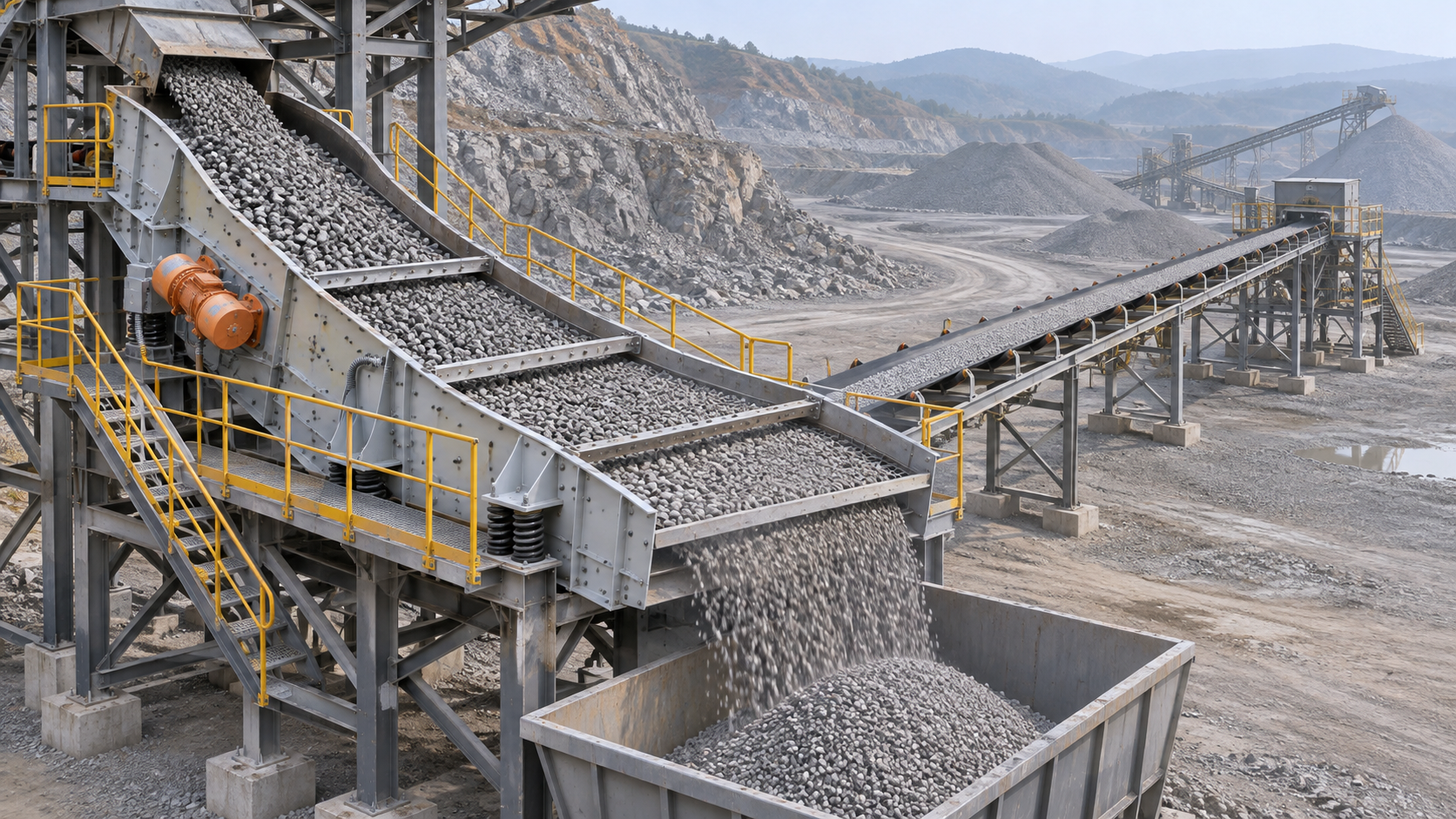
A banana screen can be worth the investment when an existing screening stage limits production and the plant has enough consistent feed to use the extra capacity. The business case is weaker when the screen is rarely full, the downstream equipment cannot accept more material, or a less expensive deck or media change would remove the bottleneck.
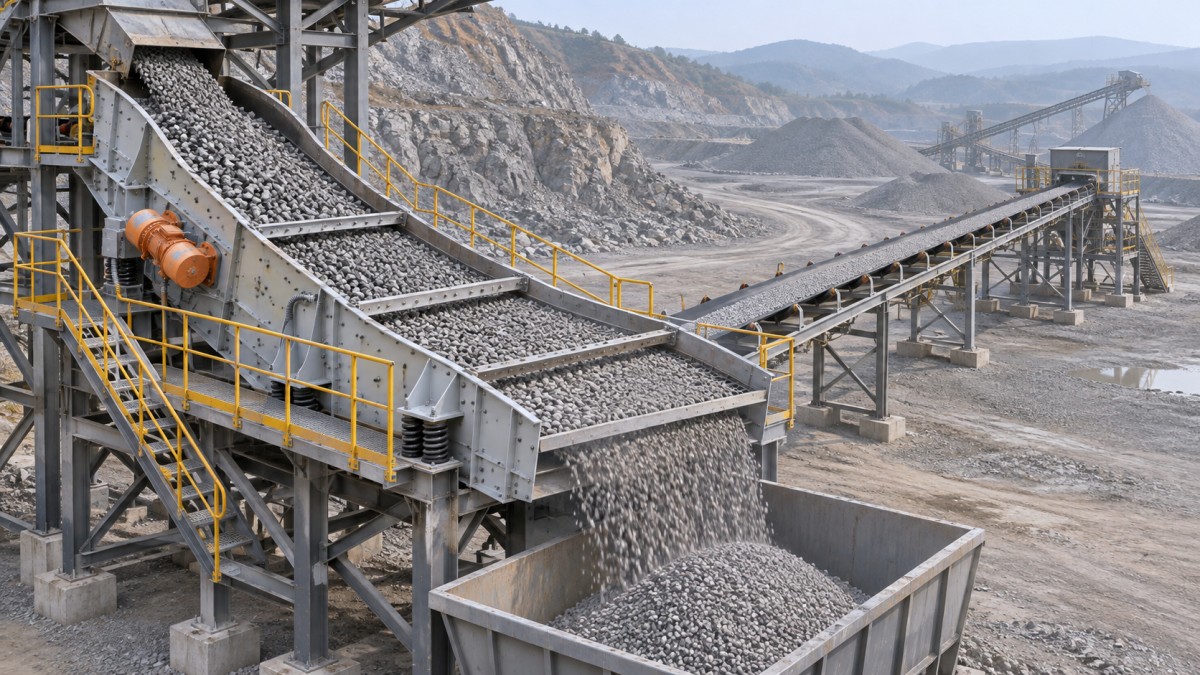
Also called an equal thickness screen, this machine uses a deck with several slopes. Material travels quickly over the steeper feed end, then slows as the deck becomes flatter. The arrangement helps spread the feed into a more even layer, giving particles opportunities to pass through the openings. That can be useful for high-volume duties, but capacity and separation quality still depend on the material, screen media and operating conditions.
Start with the production constraint
A larger or more advanced screen only creates value if screening is restricting saleable output. Look at the whole circuit before comparing machine prices. If a crusher, conveyor, wash plant or stockpile system already operates at its limit, increasing screening capacity may simply move the queue elsewhere.
Examine what happens during normal operation and peak feed periods. A screen that frequently carries a deep bed, sends excessive usable material into the oversize stream, or requires feed rates to be reduced may be a candidate for replacement. These symptoms can also result from worn media, uneven feed distribution, blocked openings or incorrect operating settings. Addressing those issues may be enough to meet the production target.
For a new plant, size the screen against the required product streams and expected operating hours, not just the crusher’s maximum output. A machine selected for a peak rate that rarely occurs can tie up capital without delivering a useful return.
When the material favors a banana screen
Multi-slope screening is often considered for large feed volumes, including mining and aggregate applications where a substantial proportion of material can pass through the selected opening. The steep feed section moves material away from the inlet, while the lower slopes provide additional opportunity for separation.
The feed’s particle size distribution matters as much as its total tonnage. A high proportion of particles close to the aperture size can make separation more difficult because those particles need more opportunities to find and pass through an opening. Moisture and clay can cause material to stick or blind the media, reducing the open area available for screening. Abrasive rock can accelerate wear and change replacement costs.
For these reasons, compare suppliers using the same feed data: expected hourly rate, particle size distribution, bulk density, moisture range, clay content and required product sizes. State whether the duty is dry or wet, and specify the required separation quality as well as capacity. If the feed varies seasonally or between quarry faces, include those conditions in the sizing discussion.
Calculate the value of additional saleable production
The purchase price is only one part of the decision. Build a comparison over the expected ownership period that includes the screen, structural supports, installation, electrical work, feed and discharge modifications, and any planned shutdown. A retrofit may also require changes to chutes or access platforms; these costs can affect whether it remains attractive.
On the benefit side, estimate additional saleable tonnes, rather than assuming every extra tonne passing over the deck generates revenue. The estimate should reflect actual operating hours, expected utilization, product specifications and the ability of the rest of the plant to handle the output.
A practical payback estimate divides the installed investment by the expected annual net benefit. Calculate that benefit from the contribution earned on additional saleable output, less changes in power, media, maintenance and other operating costs. If the change replaces an existing machine, account for costs avoided as well. Use a conservative production case alongside the target case: a screen that pays back only when the plant runs at its theoretical maximum carries a weaker investment case.
Payback also leaves out cash flow timing and the remaining value of the equipment. For a larger project, compare alternatives over the planned ownership period, including the cost of capital and expected replacement costs.
Screen media and maintenance affect the economics
The deck surface determines how much usable open area is available and how the machine separates and wears in service. Opening size, wire or panel material, fastening method and the shape of the openings all influence the result. More open area can help capacity, but media life and product quality must also be considered.
For example, FEIFAN OEM Manganese Steel Mining Screen Mesh for Quarry Rock Stone Sand Crusher Sieve mesh is a steel screen media option to discuss when evaluating a quarry screening duty. Its suitability for a particular banana screen depends on the machine’s deck design, fixing arrangement, aperture and material conditions. Polyurethane media may also be considered where its wear characteristics and opening arrangement suit the application.
Ask how individual deck sections are accessed and replaced, how long media changes are expected to take, and which wear parts should be stocked. Allow for inspection of springs, bearings, drive components and the supporting structure. A design that is difficult to maintain can lose some of its production advantage through downtime.
When a conventional screen may make more sense
An inclined or horizontal vibrating screen may be the better purchase when the required throughput is moderate, the feed rate is intermittent, or the plant has limited space for a retrofit. It may also be easier to justify when a straightforward replacement fits existing structures and meets the required product specification.
Compare complete proposals at the same duty point: feed rate, material characteristics, product sizes and required separation quality. Ask each supplier to identify assumptions, scope of supply, utility requirements and expected maintenance access. If one proposal excludes chutes, supports or installation, add those items before comparing costs.
Before requesting a final quotation, prepare a feed sample or representative sizing data, operating-hour assumptions, current screen performance and a drawing of the available space. Those details give suppliers a sound basis for sizing and give the buyer a clearer way to judge whether the expected increase in usable output justifies the installed cost.
Leave A Message
If you are interested in our products and want to know more details, please leave a message here, we will reply you as soon as we can.