How Twin Spiral Designs Improve Sand Washing Efficiency in Heavy Mud Conditions
Start by checking the mud, not the machine brochure
When clay content rises, sand washing stops being a simple rinse job. Sticky fines wrap around particles, discharge slows down, and a machine that looks adequate on paper starts losing throughput in real production. That is usually where buyers ask, What is the difference between single and double spiral sand washing machine. In heavy mud conditions, the answer is less about naming and more about how the washer handles retention time, agitation, and load stability.
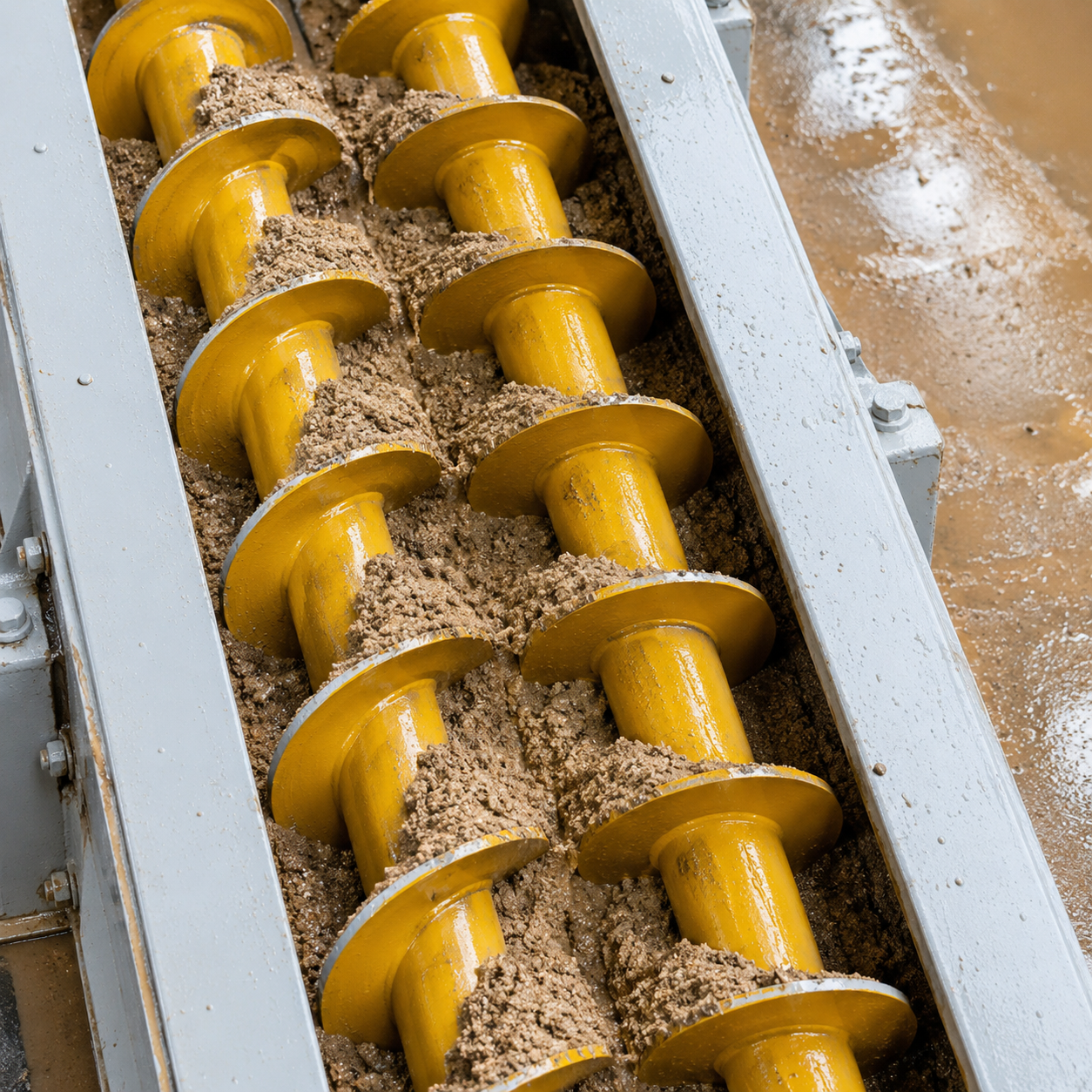
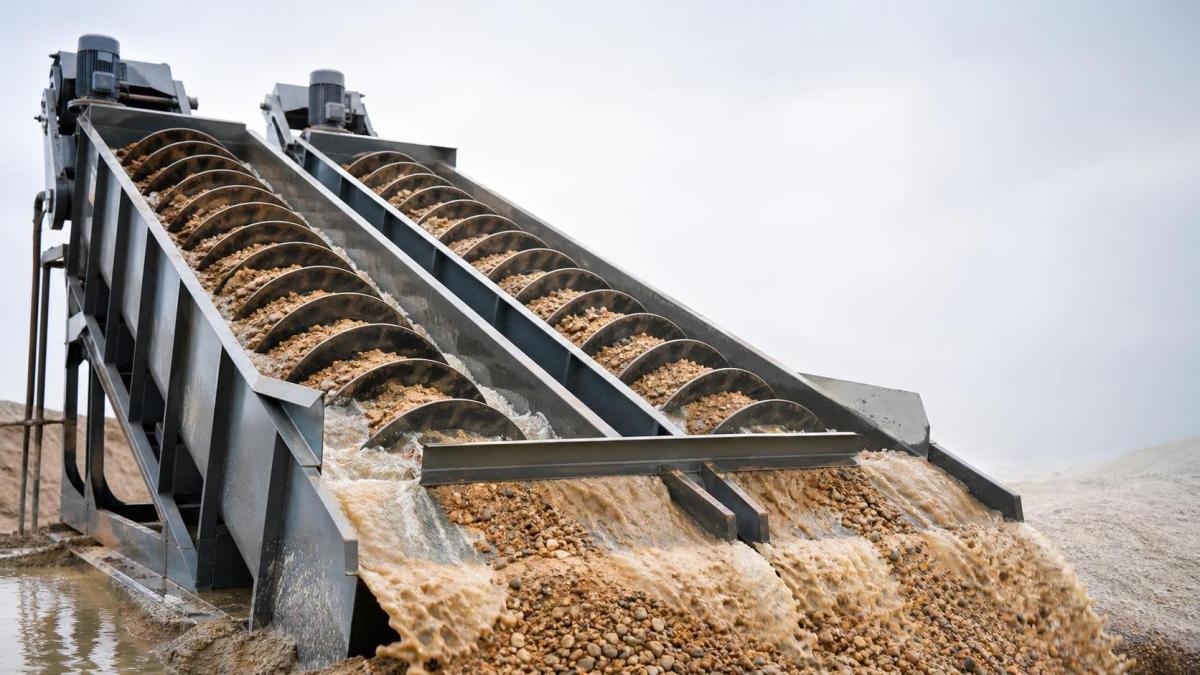
A twin spiral unit gives you two screw paths working together in the same washing box. In practical terms, that usually means more continuous turning of the material bed, better breakup of clay lumps, and a more stable flow when feed quality fluctuates. But that advantage only shows up if the rest of the line is matched to the material.
Use this checklist before deciding between single and twin spiral designs
If your raw feed contains light surface dust, a single spiral may still do the job. If the feed comes in with sticky mud seams, weathered overburden, or a lot of clay-bound fines, check these points one by one.
- Look at how the mud behaves after wetting. Some materials rinse clean once water hits them. Others turn plastic and cling to the spiral flights. If the mud smears instead of dispersing, twin spirals usually keep the bed moving better and reduce dead zones inside the tank.
- Watch for surge feeding. Heavy mud lines rarely feed perfectly evenly. When a washer sees alternating light and overloaded sections, a single spiral can swing more sharply in torque and discharge consistency. Two spirals generally spread the burden better, which helps maintain a steadier wash.
- Check whether product loss is happening with the sludge. In dirty feed, operators sometimes increase water to compensate for poor cleaning. That can carry away usable fine sand. A twin spiral often improves scrubbing efficiency without relying only on extra water, which gives you a better chance of balancing cleanliness and recovery.
- Pay attention to discharge moisture and downstream handling. If washed sand leaves too wet, stockpiling and transport become messy fast. Twin spirals can help by moving material more consistently up the incline, but the final result still depends on feed grading and drainage conditions.
What twin spiral designs actually improve in heavy mud service
This is where field judgment matters. People sometimes assume double spiral means “twice the capacity” or “twice the cleaning.” It does not work that neatly. The real gain is that twin spirals usually make the washing process less fragile.
The first improvement is more effective agitation. With two screws disturbing the material, compacted mud pockets break apart faster. That matters most when the feed contains mixed particle sizes and clay binds around the coarser grains.
The second is better retention under load. In difficult feed, material can short-pass through a washer before the mud fully separates. Twin spiral layouts often keep the sand in the cleaning zone longer without needing an overly aggressive slope or excessive water wash.
The third is more stable operation when feed quality changes during the shift. That is common in quarry and mining applications where the face changes or overburden contamination increases after rain. A twin spiral machine generally tolerates those swings better than a lightly loaded single spiral setup.
A practical comparison point
Do not evaluate the washer alone
A sand washer only performs as well as the material presentation ahead of it. If oversize enters the wash box, or if feed surges are severe, even a good twin spiral setup will underperform. That is why experienced plant buyers check the feeder, screen, and conveyor balance before blaming the washer.
On lines that handle variable yard material, it makes sense to look at feed control equipment in the same review. For example, a unit like FEIFAN Manual And Automatic Dual Control GZD-850 Electric Vibrating Feeder For Flexible Operation In Multi Purpose Material Yard Electric Vibrating Feeder belongs in the conversation because stable feeding directly affects wash consistency. That does not replace proper washer selection, but it does reduce one of the common reasons washing results look worse than expected.
Mistakes that cause the wrong choice
A few buying mistakes show up again and again.
- Choosing by nominal capacity only. Capacity means little if the feed contains high clay and the discharge target is strict.
- Assuming more water fixes everything. More water can help loosen mud, but it can also increase fines loss and muddy the water circuit.
- Ignoring seasonal change. A material that washes acceptably in dry months may behave very differently after rain or in stockpiles with prolonged exposure.
- Skipping the full line check. Poor screening before washing or unstable feeding often gets misdiagnosed as a washer defect.
How to make the final decision
If you are comparing options for a heavy mud application, work in this order. Start with the raw material: clay tendency, moisture behavior, and how much usable fine sand must be retained. Then review the feed condition entering the washer, including surges and oversize carryover. After that, compare single and twin spiral layouts based on process stability, not just purchase simplicity.
In clean or moderately dirty sand, a single spiral machine can still be a sensible choice. In sticky, high-clay conditions, twin spiral designs usually earn their place because they wash more steadily, recover product more reliably, and give operators a wider operating window before performance starts to slip.
That is the practical answer to What is the difference between single and double spiral sand washing machine: the double spiral setup is not just a larger version of the same idea. In difficult mud, it is often the difference between a line that keeps moving and one that spends too much time compensating for unstable washing results.
Leave A Message
If you are interested in our products and want to know more details, please leave a message here, we will reply you as soon as we can.