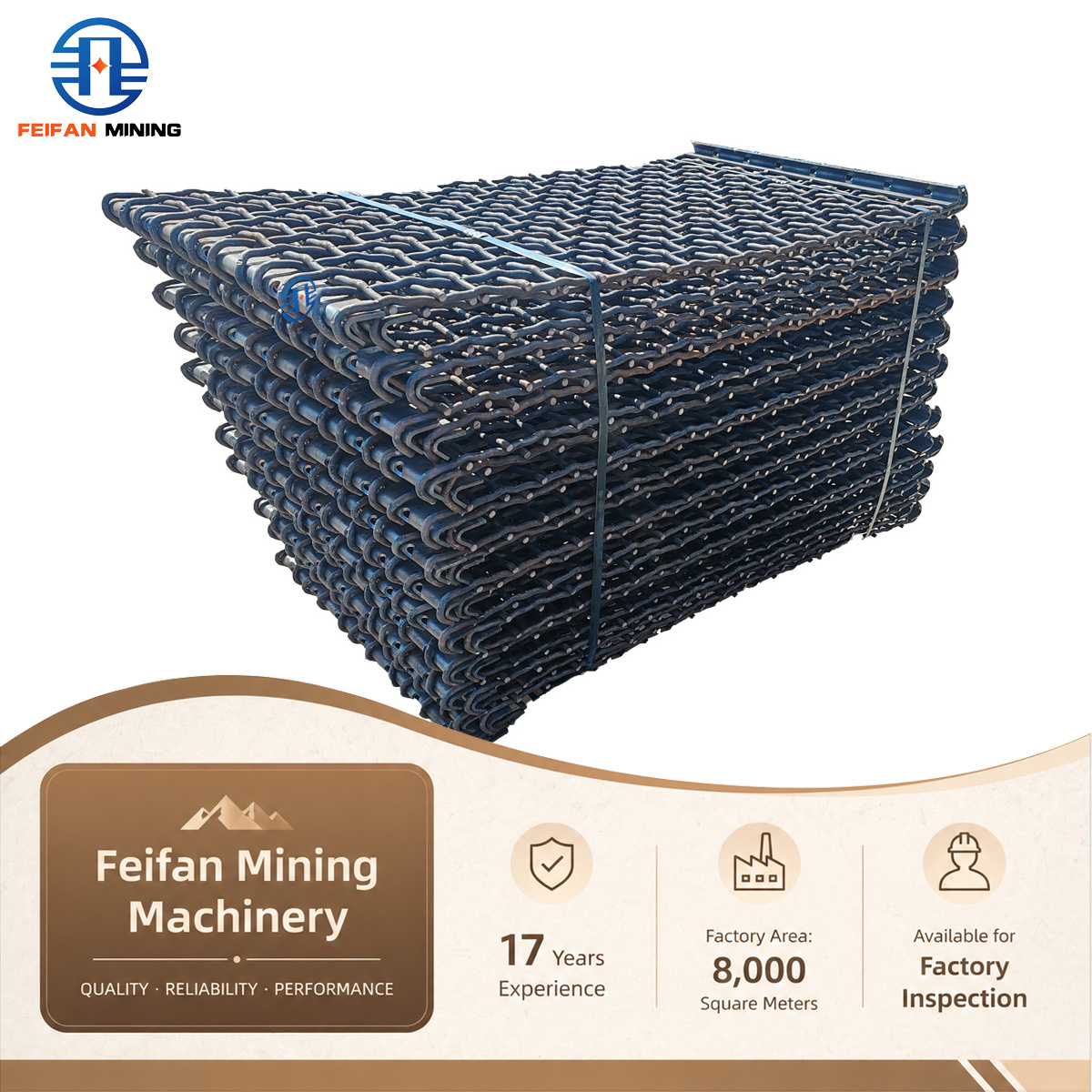
How Mining Screen Mesh Aperture and Open Area Affect Separation Efficiency
Mining Screen Mesh aperture and open area directly influence particle stratification, throughput, and final product quality in aggregate processing. Technical evaluators must balance separation precision, capacity, wear life, and site conditions.
Search Intent and Evaluation Priorities
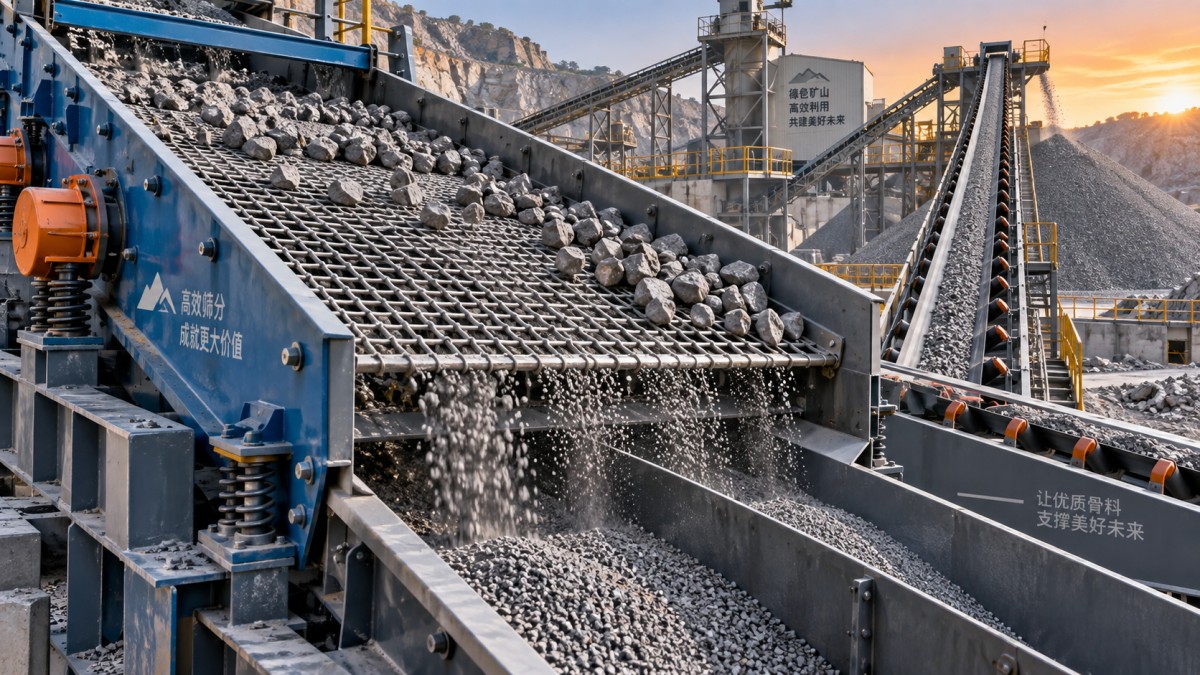
Searchers using this topic usually need a practical basis for selecting screen media, rather than a basic definition of aperture or open area.
They want to understand why a screen misses undersize particles, blinds prematurely, produces an inaccurate cut, or limits plant throughput during peak production.
Technical evaluators are especially concerned with measurable performance: grading accuracy, tonnage, service life, maintenance frequency, replacement cost, and compatibility with existing vibrating screens.
The most useful guidance compares aperture and open area together, then connects those specifications to feed characteristics, moisture, machine motion, deck position, and product requirements.
This article therefore emphasizes selection logic, operational tradeoffs, and inspection criteria. Broad company descriptions and generic claims matter less than evidence-based screening decisions.
Start with the Separation Target, Not the Mesh Material
The first question is not whether polyurethane or steel is better. It is which particle size must pass, which particles must remain, and how accurately.
Aperture is the clear opening through which particles can pass. In mining and aggregate screening, it establishes the nominal separation size or target cut point.
However, a particle equal to the aperture size does not always pass immediately. Shape, orientation, moisture, bed depth, and vibration conditions affect passage probability.
For that reason, a 10 mm aperture does not guarantee every 10 mm particle reports to the undersize stream in one screening pass.
Technical evaluations should define acceptable carryover and contamination levels before selecting a Mining Screen Mesh specification. Product tolerance determines how conservative the aperture choice should be.
How Aperture Controls Cut Accuracy
Smaller apertures generally improve size control because they restrict oversize particles more effectively. They also create more resistance to material flow across the deck.
When aperture size is reduced, near-size particles require more time and more opportunities to orient correctly before passing through the opening.
This increases the importance of screen length, vibration amplitude, frequency, deck inclination, and feed distribution. Mesh selection cannot be separated from machine operating conditions.
Elongated, flat, flaky, or needle-shaped particles complicate aperture-based separation. Such particles may pass end-first or bridge across openings despite matching their nominal size.
Where cubical aggregate grading is critical, evaluators should verify results with representative sieve analysis instead of assuming the panel aperture alone defines final gradation.
Why Open Area Determines Available Screening Capacity
Open area is the percentage of a screen panel available for material passage. It strongly affects how much undersize material can pass per unit time.
A panel with higher open area usually offers higher potential throughput, provided the openings remain clear and the screen frame maintains adequate structural strength.
Two panels can use the same aperture but deliver different capacity because wire diameter, rib width, support geometry, and panel construction change usable opening area.
For example, a fine woven wire screen may provide greater open area than a molded polyurethane panel with the same nominal aperture dimension.
That capacity advantage may disappear in wet or abrasive service if the finer wire wears rapidly, plugs frequently, or cannot withstand the feed impact.
Evaluate Aperture and Open Area as a Combined Decision
Selection becomes more reliable when aperture defines separation accuracy and open area defines the available passage capacity needed to achieve the required production rate.
A small aperture with low open area can create excessive bed depth. Fine particles then remain trapped beneath coarse material and leave with oversize.
A high-open-area design can improve passage, but it may sacrifice panel stiffness, wear volume, or opening stability under heavy impact and coarse feed.
The correct balance depends on the screening stage. Scalping decks prioritize protection and capacity, while final sizing decks usually prioritize gradation control and surface availability.
Request both nominal aperture and certified open-area data from suppliers. Comparing panels by aperture alone can conceal significant differences in practical screening performance.
Match Screen Media to Feed Conditions
Dry, clean, sharply graded stone commonly allows high-capacity wire media. Moist fines, clay contamination, and sticky feed often require more anti-blinding capability.
Polyurethane screen meshes offer strong abrasion resistance and controlled molded apertures. Their thicker structure can reduce open area, making proper sizing essential for capacity-sensitive decks.
Steel screens can provide high open area and good rigidity, particularly in demanding coarse-screening applications. Their wear performance depends on wire grade, diameter, and feed abrasiveness.
Self-cleaning wire designs may improve performance where near-size damp material causes blinding. Their movement helps release lodged particles, although grading precision can vary by design.
Review feed moisture, clay percentage, maximum particle size, impact loading, bulk density, and expected hourly tonnage before comparing mesh materials or panel profiles.
Check Whether the Screen Machine Supports the Chosen Mesh
Even a correctly specified Mining Screen Mesh will underperform when vibration settings, feed arrangement, or deck support conditions are unsuitable for the selected media.
High feed drop heights can damage fine panels and distort openings. Install impact bars, sacrificial blank sections, or heavier-duty media where feed strikes the deck.
Insufficient deck tension allows wire cloth to flex excessively, accelerating fatigue failure and changing effective aperture behavior. Tension systems need routine inspection and adjustment.
Uneven material distribution overloads one side of the screen, reducing separation efficiency and creating uneven wear. Feed boxes should spread material across the usable deck width.
Measure actual operating amplitude and frequency rather than relying only on nameplate settings. Worn bearings, loose structures, and incorrect counterweights can alter screening results.
Use Operating Data to Confirm the Specification
Screen media selection should be validated after installation using production data, sieve samples, panel inspections, and records of stoppages caused by plugging or breakage.
Take samples from both oversize and undersize streams. Quantify misplaced material to determine whether poor results originate from aperture choice, capacity limits, or machine settings.
Track tonnes processed per panel, not only calendar service life. A lower-cost panel is not economical if it reduces throughput or increases product reprocessing.
Inspect aperture enlargement, wire breakage, panel cracking, blocked openings, and support-bar wear. These observations reveal whether failure is caused by abrasion, impact, or poor installation.
For complete aggregate plants, upstream crushing settings also matter. Better particle shape and controlled top size can reduce screen load and improve downstream classification consistency.
Consider the Whole Crushing and Screening Circuit
Screen efficiency is often blamed on mesh when the actual limitation is excessive circulating load, poorly controlled crusher discharge, or unsuitable feed gradation.
For instance, an impact crusher producing excess fines can overload fine decks, while a poorly adjusted secondary crusher can send too many near-size particles to screening.
When upgrading a plant, evaluate screen media alongside crusher wear parts, feed regulation, conveyor transfer points, and the required balance between finished aggregate fractions.
A coordinated equipment review may include equipment such as the FEIFAN PF Series Stable Rotor Wear Resistant Plate Hammer Mining Ore Stone Breaking Impact Machine For Global Export Sale where crushing performance affects screen feed quality.
Integrated evaluation is particularly valuable for EPC projects because screen capacity, crusher settings, conveyor loading, and finished-product stockpiling must operate as one system.
A Practical Selection Checklist for Technical Evaluators
Begin with the required product gradation and permitted contamination. Define the target aperture using laboratory sieve results and the actual commercial specification for each product fraction.
Calculate required deck capacity using peak hourly feed rate, not only average output. Include a reasonable operating margin for feed fluctuations and seasonal moisture changes.
Compare panel alternatives by aperture shape, open area, thickness, weight, attachment method, wear material, expected life, and replacement time rather than purchase price alone.
Ask suppliers for dimensional tolerances, open-area calculations, recommended application ranges, and reference performance data from similar mineral, aggregate, or sand processing conditions.
Plan a controlled field trial when the feed is difficult. Monitor throughput, screening efficiency, blinding rate, wear pattern, and product grading before standardizing the design.
Conclusion
Mining Screen Mesh aperture sets the fundamental separation target, while open area determines how much opportunity undersize material has to pass through the deck.
Neither parameter should be optimized independently. A tighter aperture can improve classification but reduce capacity, while greater open area can increase throughput but affect durability.
The best specification reflects feed behavior, product tolerance, screen dynamics, deck position, and lifetime operating cost. Field data should confirm every important selection decision.
For technical evaluators, the practical conclusion is clear: specify aperture for the required cut, verify open area for capacity, and validate both under real operating conditions.