How an Inclined Belt Conveyor Moves Aggregate Through a Processing Plant
How an Inclined Belt Conveyor Moves Aggregate Through a Processing Plant
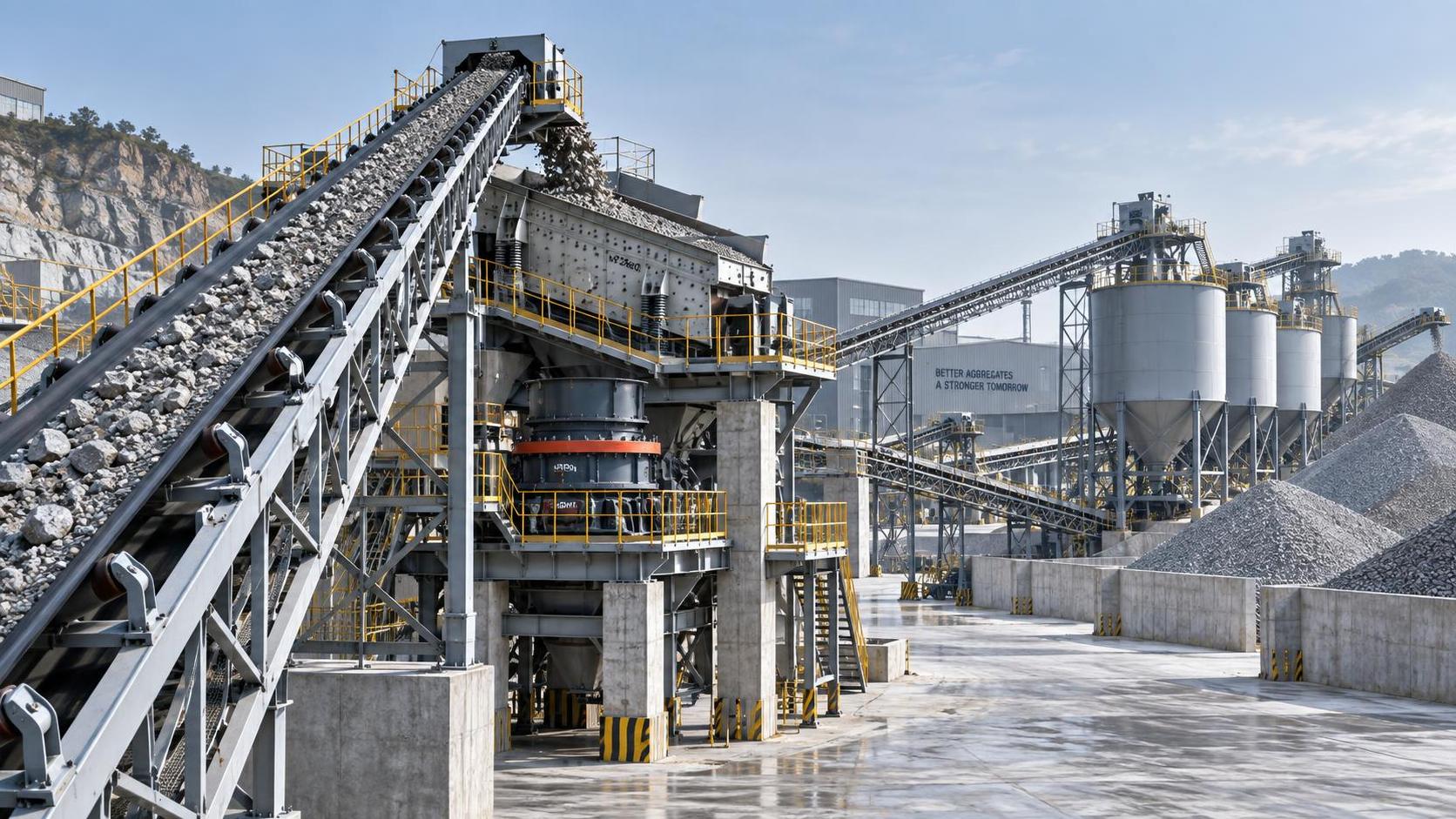
An inclined belt conveyor for aggregate plant operations keeps crushed stone, sand, and gravel moving efficiently between processing stages without relying on repeated loader handling.
For operators, the priority is not simply lifting material uphill. It is maintaining a steady feed, preventing rollback, controlling spillage, and avoiding unplanned stoppages.
A properly configured conveyor connects crushers, screens, stockpiles, and washing equipment into one continuous process, helping the plant maintain throughput and consistent product quality.
Why Inclined Conveyors Matter in Aggregate Production
Aggregate plants often require material to travel vertically as well as horizontally because crushers, screening decks, transfer points, and stockpiles operate at different elevations.
An inclined belt conveyor for aggregate plant layouts creates that elevation change efficiently while reducing dependence on wheel loaders, ramps, and manual material redistribution.
When material moves consistently from one machine to the next, operators can focus on feed control, inspection, and preventive maintenance instead of correcting repeated bottlenecks.
The conveyor also helps keep the processing route organized. A clearly planned route reduces unnecessary transfer points, which are common locations for dust, spillage, and blockages.
In a typical crushing circuit, a feeder sends raw stone into a primary crusher. The discharged material then reaches screens or secondary crushers through conveyors.
After screening, separate inclined conveyors can direct different aggregate sizes toward product stockpiles, washing systems, recirculation loops, or further crushing stages.
How the Conveyor Carries Aggregate Uphill
The belt is supported by idlers that form a trough shape. This trough centers aggregate and increases the belt's usable carrying capacity during upward movement.
The head pulley, driven by a motor and gearbox, pulls the belt forward. The belt surface carries aggregate upward while the return side travels underneath.
At the discharge end, material leaves the belt as it passes around the head pulley. Its trajectory should align with the receiving chute, screen, or stockpile.
Conveyor inclination affects how securely material stays on the belt. As the angle increases, loose stone is more likely to roll backward or slide downhill.
For many dry aggregate applications, standard troughed belts work well at moderate incline angles. Steeper routes may require cleated belts, sidewalls, or revised transfer design.
Operators should watch for material rolling backward near the loading zone. This usually indicates excessive incline, overloaded belt conditions, poor belt selection, or unsuitable material moisture.
What Operators Should Check Before Starting the System
Before startup, inspect whether the belt is centered on pulleys and idlers. Belt mistracking can damage edges, create spillage, and accelerate component wear.
Check that guards, emergency pull cords, belt drift switches, and stop controls are accessible and functional. Never remove safety guards to clear material during operation.
Examine the loading point for built-up aggregate. Material should land near the belt centerline and move in the same direction as belt travel whenever possible.
Off-center loading causes uneven belt loading and can pull the belt toward one side. It also increases skirt wear and creates recurring cleanup work.
Verify that idlers rotate freely and that brackets remain secure. A seized idler can damage the belt cover and generate heat at the contact point.
Operators should also look for loose fasteners, damaged rollers, worn scrapers, and material trapped around pulleys. Small defects become costly when ignored during continuous production.
Managing Belt Speed, Feed Rate, and Loading Capacity
Belt speed must match the plant's production rate and aggregate characteristics. A faster belt can increase capacity, but excessive speed often causes bouncing and dust.
Stable loading is usually more valuable than maximum belt speed. A conveyor operating consistently below its limit is easier to control and less likely to spill.
Feed rate changes should be gradual, especially after crusher adjustments or screen deck changes. Sudden surges can overload the belt and fill transfer chutes.
Operators should monitor the material profile across the belt. Aggregate should remain evenly distributed, with sufficient freeboard along both sides to prevent edge loss.
Wet sand, clay-contaminated stone, and sticky fines behave differently from dry crushed rock. Their moisture content may reduce discharge efficiency and cause carryback on return components.
Effective belt cleaners remove material remaining on the belt after discharge. This reduces buildup beneath the conveyor and prevents return-side contamination of pulleys and idlers.
Transfer Points Determine Whether the Line Runs Smoothly
Most conveyor problems begin at transfer points rather than on open conveyor runs. Poor chute geometry can create impact damage, off-center loading, and frequent blockage.
The receiving chute should guide aggregate onto the belt with controlled direction and speed. Material dropping vertically from excessive height can damage belts and idlers.
Impact beds or closely spaced impact idlers support the belt where heavy material lands. They reduce belt sag and help maintain an even material stream.
Skirting should contain fine material without pressing excessively against the belt. Over-tight skirt rubber increases friction, wear, and power consumption during normal operation.
When screening is part of the circuit, uniform feed to the screen is especially important. Uneven loading can reduce separation efficiency and create inconsistent product sizing.
A horizontal screen such as the FEIFAN OEM High Throughput Reinforced Body Customized Mining Sand Quarry Horizontal Vibrating Screen performs best when its upstream conveyor delivers material steadily across the feed area.
Choosing the Right Incline and Conveyor Structure
The correct incline angle depends on aggregate size, particle shape, moisture, belt texture, capacity requirements, and available space within the processing plant.
Angular crushed stone generally grips the belt better than smooth rounded gravel. Fine wet sand may behave unpredictably and require more careful chute and scraper design.
Longer conveyors need properly engineered support structures to prevent excessive vibration and misalignment. Frames should remain stable under dynamic loading, wind, and routine maintenance traffic.
Support spacing must suit the belt width, material load, and conveyor length. Inadequate support can lead to sagging, uneven belt tracking, and structural fatigue.
For mobile or modular plants, operators should inspect frame connections after relocation. Transport vibration can loosen bolts, shift alignment, and change the conveyor's operating angle.
Walkways, platforms, and access points should be planned around real maintenance tasks. Safe access improves inspection quality and shortens the time needed to address faults.
Daily Operating Habits That Reduce Downtime
Start conveyors in the correct sequence, usually downstream equipment first. This ensures receiving equipment is ready before upstream machines begin sending aggregate forward.
During shutdown, stop material feed first and allow conveyors to run empty. This prevents loaded belts from restarting under unnecessary strain during the next shift.
Listen for unusual bearing noise, belt scraping, metal contact, or rhythmic impacts. Operators often detect developing failures through sound before visible damage appears.
Record recurring spill locations, tracking corrections, and cleanup demands. These observations help maintenance teams identify root causes instead of repeatedly treating surface symptoms.
Keep the area beneath the conveyor clean. Accumulated material can interfere with return idlers, obstruct access, and create hazardous conditions around moving equipment.
Lubrication and inspection schedules should follow the equipment manufacturer's recommendations. However, harsh quarry conditions may require more frequent checks than standard operating intervals.
Conclusion: Reliable Elevation Changes Depend on Control
An inclined belt conveyor is a critical connection between aggregate processing stages. Its value comes from delivering material uphill safely, steadily, and with minimal handling losses.
For operators, reliable performance depends on correct loading, centered tracking, appropriate belt speed, clean transfer points, and disciplined daily inspections.
When these elements work together, an inclined belt conveyor for aggregate plant operations supports higher uptime, cleaner work areas, safer routines, and more predictable aggregate output.
Leave A Message
If you are interested in our products and want to know more details, please leave a message here, we will reply you as soon as we can.