Can Overseas Mobile Crushing Stations Get Reliable Technical Support?
What does “reliable technical support” really mean for an overseas mobile crushing station?
Yes, it is possible to get technical support for overseas mobile crushing station projects, but only if the supplier has a real service system behind the equipment. In this field, support is not just answering messages after delivery. It usually means installation guidance, commissioning help, troubleshooting, spare parts coordination, operating advice, and follow-up support when production conditions change.
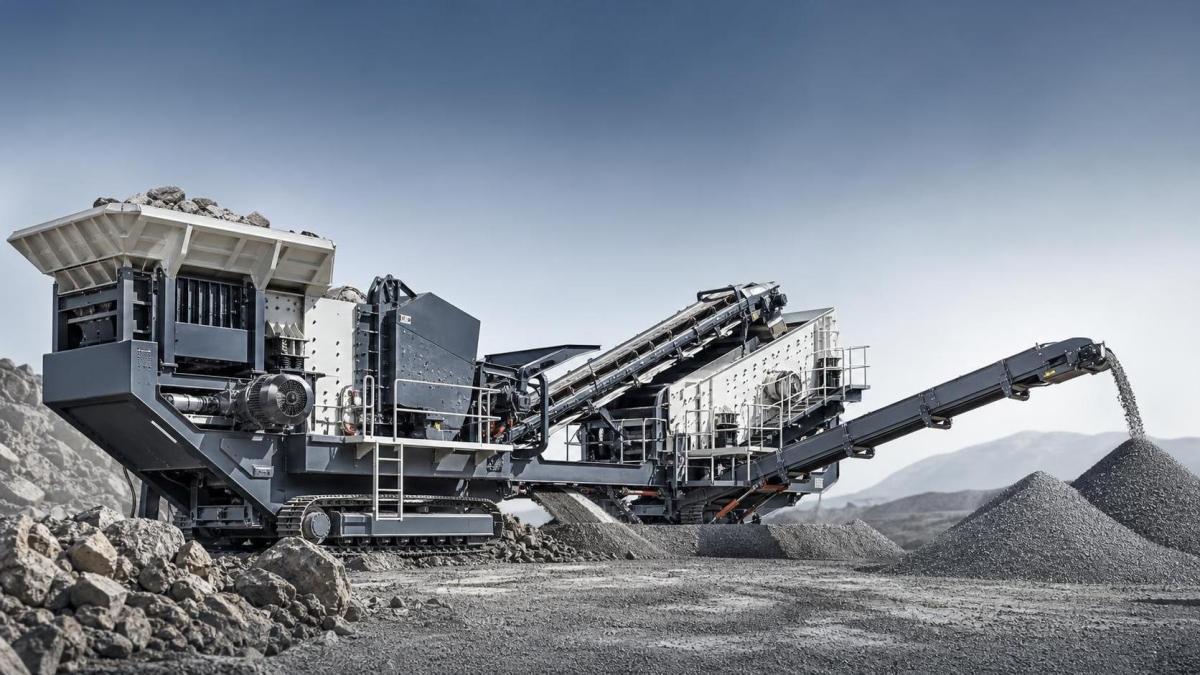
That matters because a mobile crushing station works in a moving, dusty, high-load environment. Problems are rarely limited to one machine. A feeding issue can affect crushing efficiency, screen output, conveyor loading, and final aggregate grading at the same time. For overseas buyers, the key question is not simply “Can the supplier reply?” but “Can the supplier help restore production fast enough to protect output and cost control?”
For companies researching suppliers, this is where experience counts. Feifan has focused on sand and gravel mining equipment and EPC support for 17 years, with manufacturing, R&D, production, and after-sales capability inside the same group structure. That kind of setup is usually better positioned to support complete lines than a trader that only sells standalone units.
If the equipment is installed overseas, what kind of support is usually available?
In most practical cases, support comes in layers. Remote support is normally the first response, because many operating issues can be identified through videos, operating data, photos of wear parts, and site feedback. That covers common situations such as abnormal vibration, unstable discharge size, conveyor mismatch, or screening inefficiency.
Then there is spare parts support. This is often the real test of reliability. A supplier should be able to identify the failed part clearly, match it to the equipment configuration, and coordinate shipment without confusion. If the line includes screening equipment, mesh selection and replacement planning also matter. In a full aggregate setup, components such as vibrating screens, belt conveyors, and wear parts affect uptime just as much as the crusher itself.
For more complex projects, buyers may also need engineering-level support. That includes layout suggestions, line matching, and commissioning logic across several machines. This is especially relevant when the mobile crushing station is part of a larger sand and gravel production line rather than an isolated unit.
How can a buyer judge whether the supplier’s support is real before placing an order?
Look for evidence that the supplier actually builds, understands, and supports the equipment. A useful check is whether the company can explain the relationship between the crusher, screen, feeder, and conveyor instead of talking only about sales terms.
Before you decide, ask for these specifics:
- What documents are provided for installation, operation, and maintenance?
- How are spare parts identified and supplied for overseas customers?
- Who handles technical communication: sales staff, engineers, or both?
- Can the supplier support a complete line, not just one machine?
- What information do they require when diagnosing a fault?
A weak supplier usually gives vague answers like “we provide after-sales service worldwide.” A stronger one can tell you what files will be used, which parts are likely to wear first, and what site data they need to diagnose a stoppage.
Is remote support enough, or do overseas projects need on-site service?
Remote support is enough for many early-stage and routine issues, especially when the local team can share clear videos, motor current readings, feed material conditions, and photos of the wear surfaces. A large share of operational faults come from incorrect feeding, poor material distribution, loose components, or delayed replacement of consumable parts. Those can often be handled without sending personnel immediately.
On-site support becomes more important when the problem affects the whole process, such as repeated commissioning failure, unstable finished product grading, major vibration issues, or poor coordination between crushing and screening sections. It is also more relevant when the mobile station is part of an EPC-style project, where the supplier is involved in more than equipment delivery.
So the answer is not one or the other. A reliable overseas support model usually starts with remote diagnosis and uses on-site service when the issue cannot be solved through standard technical guidance.
What information should the buyer prepare to get faster technical help?
Support gets delayed when the site cannot describe the problem accurately. If you want quick diagnosis, prepare a basic technical record from the start of operation. That should include the equipment model, layout drawing, motor details, wearing part history, feed material type, target output, and recent fault symptoms.
When something goes wrong, the most useful evidence is usually simple:
- A short video of the machine running and the fault appearing.
- Photos of worn or damaged parts.
- Notes on feed size, moisture, and production changes.
- The sequence of events before the problem started.
This sounds basic, but it saves time. A complaint like “the output is bad” is hard to act on. A record showing changed feed size, screen blockage, and uneven conveyor loading is much easier for engineers to interpret.
Do screening and conveying equipment matter when discussing mobile crushing station support?
Absolutely. Buyers often focus only on the crusher, but field problems often show up in the supporting equipment first. If the screen cannot separate material properly, the crusher may seem inefficient even when it is working normally. If the belt conveyor is mismatched, the whole line can choke or spill.
That is why a supplier with broader production capability can be more useful. Feifan’s group structure covers crushers, screening machines, belt conveyors, and screen meshes, which gives it a better basis for diagnosing line-level issues rather than treating every fault as a single-machine problem. In some projects, buyers also review related equipment such as the FEIFAN CE Certified Professional Mining Processing Aggregate Linear Vibrating Screen Machine when they want the crushing and screening sections to work as one system.
What are the most common mistakes overseas buyers make when evaluating technical support?
Three mistakes come up again and again.
A more practical approach is to evaluate support as part of production reliability. If the supplier can help you keep the line stable, that service has direct operational value.
So, is it possible to get technical support for overseas mobile crushing station projects?
Yes, but the quality of that support depends on the supplier’s real manufacturing depth, engineering understanding, and after-sales structure. For an overseas buyer in the research stage, the safest way to judge this is to ask how the supplier handles diagnosis, spare parts, line matching, and remote guidance in practical terms.
If the answers are specific, process-based, and tied to actual equipment, that is a good sign. If the replies stay general, treat the support promise cautiously. In overseas mobile crushing work, service is not a side detail. It is part of the equipment decision itself.
Leave A Message
If you are interested in our products and want to know more details, please leave a message here, we will reply you as soon as we can.