When should worn polyurethane screen mesh be replaced?
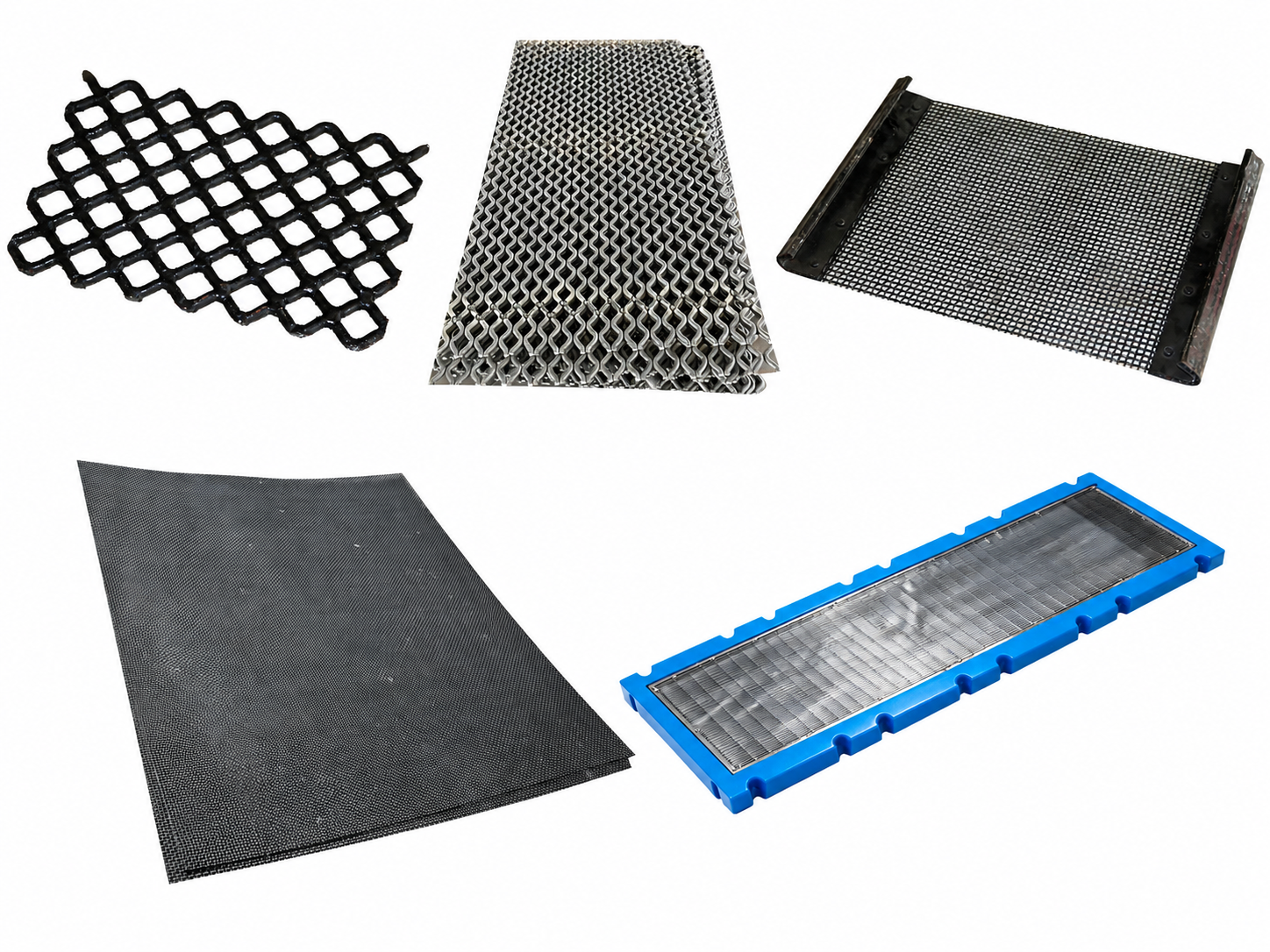
A worn Polyurethane Screen Mesh should be replaced when it can no longer hold the required cut size, control material flow, or remain securely fixed to the vibrating screen. A small cosmetic mark is not necessarily a failure. But torn panels, enlarged apertures, broken support ribs, material bypass, unstable product grading, or a clear drop in screening efficiency are practical signs that replacement should be scheduled before an unplanned shutdown occurs.
The expensive mistake is waiting until the panel has completely failed. By that point, oversized material may already be passing into the next crushing stage, undersize contamination may affect finished aggregate, and loose mesh sections can damage adjacent panels or fastening components. The right replacement point is based on performance, not appearance alone.
When Does Polyurethane Screen Mesh Need Replacing?
A screen panel is nearing the end of its service life when wear changes the way the screen separates material. The most obvious warning is a visible hole or tear, especially around high-impact feed areas. However, many panels become inaccurate before they become visibly broken.
Look closely at the aperture shape. A square opening that has become rounded, stretched, or uneven will no longer provide consistent particle sizing. This often happens first in the center of the deck or directly below the feed box, where material hits the screen with the highest energy. If one part of the deck produces noticeably different sizing from the rest, the panel should not be treated as “still usable” simply because it remains attached.
A practical rule: replace the mesh when wear causes unacceptable product grading, recurring blinding or pegging, material leakage between panels, or a safety risk from loose or damaged fixing points. A panel can be physically present and still be functionally worn out.
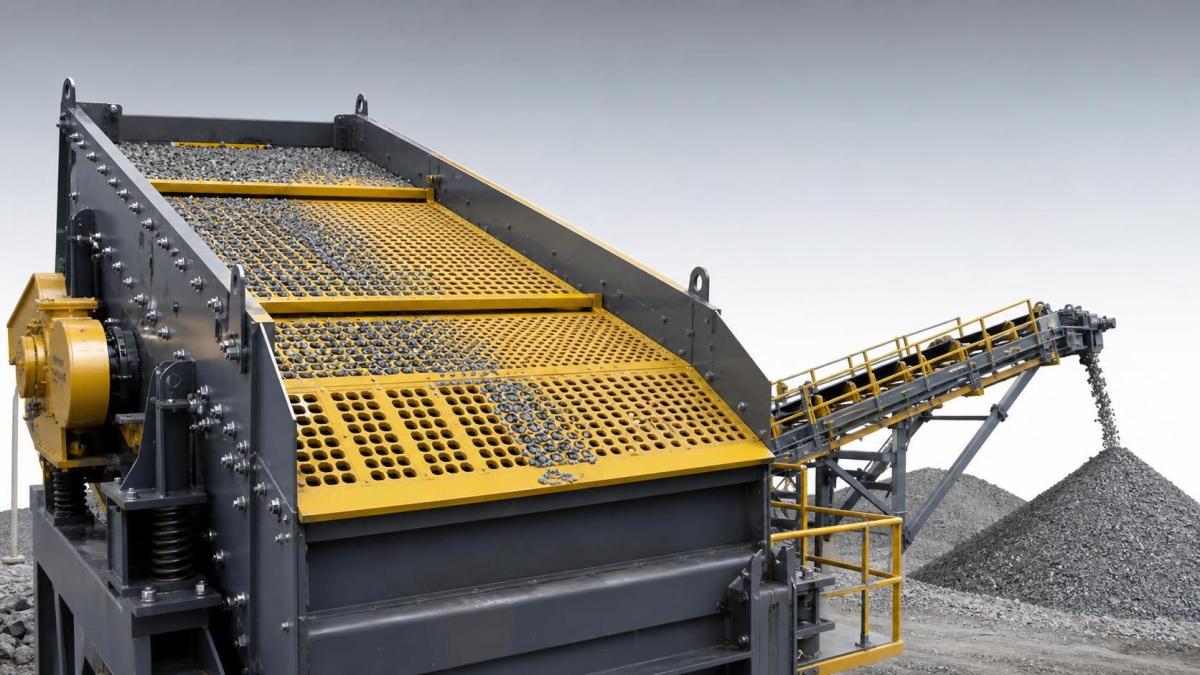
Five Field Signs That Should Not Be Ignored
1. Enlarged or irregular apertures. This is one of the clearest reasons to replace a polyurethane panel. When openings wear larger, oversize particles pass through too early. In a closed-circuit crushing process, that can reduce control over the return load and affect the final aggregate specification.
2. Tears, cuts, or missing sections. Even a localized tear can quickly expand under vibration. Material will preferentially flow through the damaged area, creating a shortcut instead of being screened across the full deck. Replace the panel promptly rather than trying to keep it in operation until the next major maintenance stop.
3. Worn support bars, ribs, or fixing edges. Polyurethane screen panels depend on proper support and secure engagement. If the panel edge is deformed, locking hooks are damaged, or the support structure beneath it is worn, the mesh may move during operation. This movement accelerates wear and can make panel removal more difficult later.
4. Lower throughput with no clear process change. A throughput decline is not always a mesh problem. Wet feed, excessive fines, incorrect vibration settings, and blocked chutes can produce similar symptoms. Still, if the feed condition and screen settings are stable, inspect the screening surface. A glazed, deformed, blinded, or heavily worn panel may be the real restriction.
5. Increasing material bypass. Fines appearing where they should not, or coarse particles showing up downstream, may indicate worn apertures or gaps between panels. Check the side tension, panel joints, deck rails, and sealing strips before replacing every panel. The problem may be poor installation rather than polyurethane wear.
Do Not Judge Wear by Hours Alone
Maintenance schedules often ask for a fixed service interval, but operating hours are only a reference. The life of a Polyurethane Screen Mesh depends heavily on feed size, moisture, clay content, particle shape, drop height, vibration amplitude, screen inclination, and the abrasiveness of the material.
For example, a panel screening washed, well-graded gravel may wear very differently from one handling sharp crushed granite or ore with a high proportion of fines. A screen deck receiving direct impact from large lumps will also wear faster than a lower deck performing final classification. Two panels installed on the same day may need replacement at different times.
This is why inspection records are more useful than a calendar-only replacement policy. Record the panel position, material being processed, aperture size, wear pattern, and reason for replacement. After several changeouts, the pattern usually becomes clear: feed-end panels may need a heavier design, center panels may suffer aperture enlargement, or side panels may be wearing because of poor material distribution.
Inspect the Whole Screening System Before Ordering New Panels
Replacing a worn mesh without finding the cause can turn a normal consumable cost into a repeating problem. Before installing new panels, inspect the screen box, cross members, support rails, clamps, spray bars, feed chute, and discharge arrangement.
Pay particular attention to feed distribution. If most material lands on one narrow area, that section will fail early regardless of mesh quality. A worn or poorly positioned feed box liner can direct large stones onto the same row of panels every cycle. Reducing drop height, improving distribution, or adding appropriate impact protection may extend the usable life of the new screening surface.
Also verify vibration conditions. Excessive amplitude, loose bolts, cracked side plates, or damaged springs can cause abnormal panel movement. Do not assume that a polyurethane panel is at fault when several panels show the same unusual wear pattern. Repeated cracking at the fixing edge, for instance, often points to deck support or installation issues.
On lines handling large lump ore before screening and crushing, stable feeding matters just as much as screen maintenance. Equipment such as the FEIFAN Reinforced Welding Body TDG-15 Apron Feeder For Handling Large Lump Ore And Heavy Materials In Mining Operations Apron Feeder may be relevant where controlled, heavy-duty material delivery is needed ahead of downstream equipment. Its suitability should be assessed against actual feed size, capacity, and process layout rather than treated as a universal fix for screen wear.
Replace One Panel or the Entire Deck?
Replacing only the damaged panel is usually reasonable when the remaining panels have similar aperture accuracy, secure fixing, and acceptable thickness. It is a practical approach when damage is localized, such as impact wear below the feed point.
Replace a larger section, or the full deck, when panels are from different wear stages and the grading result has become inconsistent. Mixing heavily worn panels with new ones can create uneven flow and different effective opening sizes across the deck. This may be acceptable for rough scalping, but it is a poor choice for a final sizing deck where product specification matters.
There is also a labor consideration. If several panels are close to failure, repeated short shutdowns may cost more than a planned replacement during scheduled maintenance. The decision should compare lost production, labor access, stock availability, and the consequence of an off-spec product.
Common Replacement Mistakes
One common mistake is selecting the same aperture size without checking whether the old panel actually achieved the required cut. Wear may have made the previous setup look more productive simply because oversized material was passing through. Confirm the required product size and inspect screen performance before ordering replacements.
Another is installing panels onto dirty or damaged support rails. Trapped material beneath the panel creates point loading. The panel may then flex unevenly, wear prematurely, or fail at the fastening edge. Clean the deck, inspect supports, and ensure each panel is fully seated before returning the screen to service.
Finally, avoid using temporary repairs as a long-term solution. Small patches can sometimes help complete a controlled short run, but they rarely restore accurate screening. On high-vibration equipment, a repair may also shift and create a larger failure point.
FAQ
Can a Polyurethane Screen Mesh be used until a hole becomes visible?
No. Aperture enlargement and loss of grading accuracy often occur before a visible hole develops. Product sampling and close inspection are better indicators than waiting for complete breakage.
Does lower capacity always mean the screen mesh is worn out?
No. Check feed moisture, clay content, blinding, material distribution, vibration settings, and chute blockage first. Replace the panel when inspection confirms that wear or deformation is affecting open area or separation.
Should feed-end panels be changed more often?
Often, yes. They receive the highest impact load. If feed-end replacement is frequent, investigate drop height, feed distribution, and impact protection instead of only increasing panel stock.
How can premature mesh wear be reduced?
Maintain even feed distribution, keep support rails in good condition, use the correct panel design for the material, and correct abnormal vibration before it damages the entire deck.
A reliable Polyurethane Screen Mesh replacement decision comes down to screen performance, not a fixed number of operating hours. Inspect apertures, fixing points, wear zones, and product quality together. Replacing panels at the first meaningful loss of separation accuracy helps keep the vibrating screen stable, protects downstream equipment, and avoids a much more disruptive failure during production.
Leave A Message
If you are interested in our products and want to know more details, please leave a message here, we will reply you as soon as we can.