When does a vibrating screen need a wet screening setup?
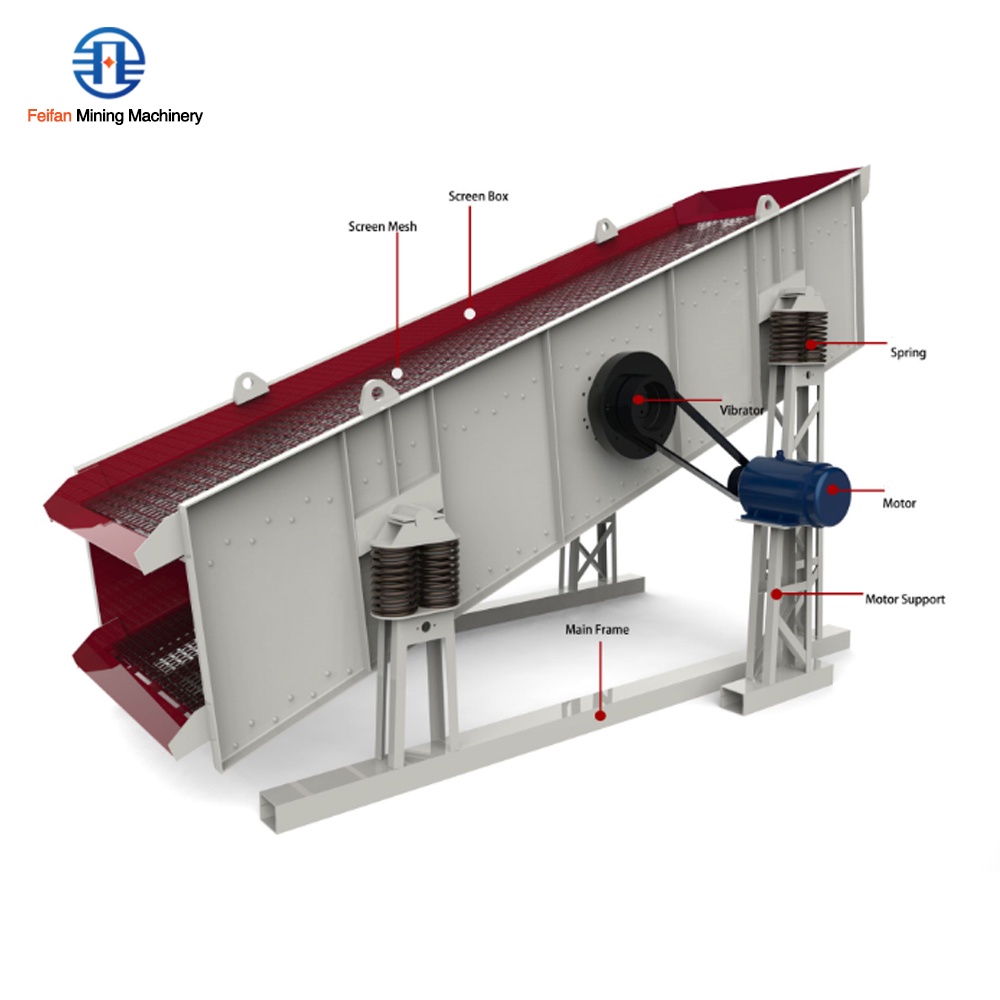
A Vibrating Screen needs a wet screening setup when the feed cannot stay loose and separable on a dry deck. The usual triggers are excess fines, clay contamination, sticky particles, or moisture that causes material to coat the screen media and plug the apertures. In these conditions, adding water is not simply a cleaning measure. It changes how the material stratifies, how fines pass through the deck, and how reliably the plant can hold a finished aggregate specification.
The practical question is not “Can this material be screened dry?” Almost any material can be put on a dry screen for a short trial. The better question is whether dry screening can maintain throughput, product cleanliness, and aperture availability through normal shifts, feed changes, and wet-weather periods. If it cannot, a wet screening circuit should be considered early, before poor separation becomes a production bottleneck.
When a Vibrating Screen starts losing efficiency
Fine material is usually the first warning sign. Manufactured sand, weathered rock, river gravel, and crushed feed often carry a fraction below the target cut size. When that fraction is dry and free-flowing, a properly selected screen can usually remove it effectively. When the fines are damp or contain clay, they bind larger particles together. Instead of passing through the openings, the fine fraction rides over the deck attached to coarser aggregate.
This creates a familiar site problem: the oversize stream looks acceptable by volume, but it contains too much undersize material. Downstream washers, crushers, stockpiles, or concrete batching operations then receive inconsistent feed. Operators may react by increasing vibration force, changing deck angle, or installing a larger screen. Those adjustments can help in limited cases, but they do not solve a feed material that is physically sticking to the screen surface.
A short operational rule is useful: if screen apertures repeatedly blind, the undersize fraction reports to the wrong product, and cleaning the deck restores performance only temporarily, wet screening is usually justified.
Clay deserves special attention. Dry screening separates particles by size, not by how tightly clay coats their surface. A small amount of dry, dusty clay may be manageable. Plastic clay, weathered shale, or moist soil lumps are different. They can block openings, contaminate saleable aggregate, and break down later in transport or washing. Water sprays help disperse and carry away the fine contaminated fraction, but the complete circuit must also provide for slurry collection, classification, and wastewater handling.
Material conditions that point to wet screening
There is no universal moisture percentage that automatically decides the issue. The same moisture level behaves differently in crushed granite, limestone, basalt, recycled aggregate, and natural sand. Particle shape, clay mineral content, feed temperature, storage time, and the required cut size all affect screen performance. Field observation and representative material testing are more useful than a single moisture reading.
Wet screening is commonly the better option when one or more of these conditions are present:
- The feed contains visible clay balls, loam, decomposed rock, or sticky fines.
- Fine apertures plug frequently, especially on lower decks where the material bed is thinner.
- Rainfall or wet stockpile conditions cause a major drop in dry-screen capacity.
- The finished sand or aggregate must meet a tight cleanliness requirement.
- The process needs to remove dust and very fine particles before a final product is shipped.
- Dry screening produces unstable gradation from one shift to the next.
The smaller the required separation size, the more carefully this decision should be reviewed. Coarse scalping may remain effective in dry conditions even when the feed is damp. Fine classification is much less forgiving. Once the screen is expected to make a clean, consistent cut at small apertures, blinding and agglomeration become expensive very quickly.
Water improves separation, but it adds a process system
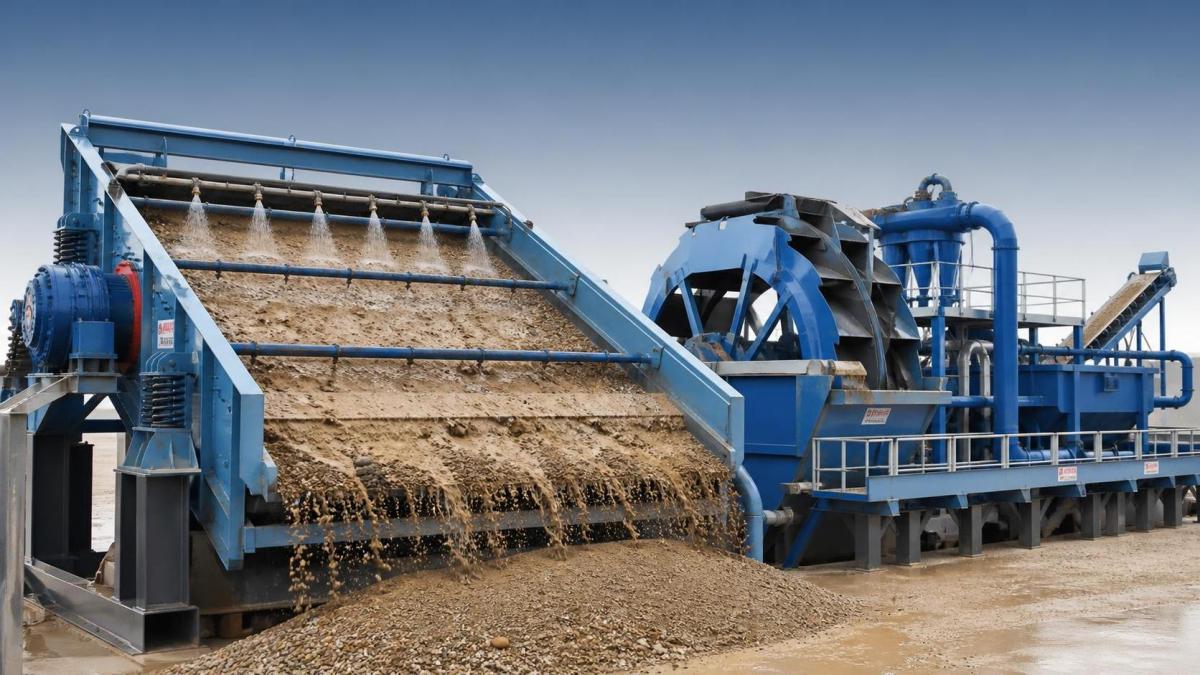
It is easy to view wet screening as a screen with spray bars. That is incomplete. The screen, spray arrangement, collection chute, slurry pumps, dewatering equipment, settling or recovery system, and water-recirculation plan must work as one circuit. A wet deck may solve the separation problem while creating another problem downstream if water and fines are not managed properly.
For example, a sand plant may use wet screening to remove clay-bearing fines before final stockpiling. The washed material still needs effective dewatering. If it is discharged too wet, the stockpile may drain slowly, load-out weights may become inconsistent, and haul roads can become difficult to maintain. In a water-constrained location, water recovery may influence the equipment choice as much as screen capacity does.
When the process requires washing as well as screening, a wheel-type sand washer can be part of the final cleaning and recovery stage. The suitability still depends on feed gradation, clay content, and required fine-sand retention. For a project evaluating this type of arrangement, OEM ISO Certified Full Automatic Wheel Sand Washing Gear For Modern Intelligent Sand Plant Machine is a relevant equipment category to assess alongside the screen and water-management system, rather than as an isolated purchase.
Do not use wet screening to cover up the wrong upstream design
A common mistake is adding water after the screen because the crushing circuit is producing too much undesirable material. Wet screening can remove fines more effectively, but it does not correct poor reduction control, unsuitable crusher settings, or a feed that contains excessive contaminated overburden. If the plant is generating a large volume of unwanted fines, the operating cost of washing, pumping, and treating water can rise without solving the root cause.
Another mistake is assuming that more water always means cleaner aggregate. Excessive spray water can overload chutes, increase slurry volume, reduce dewatering efficiency, and carry valuable fine sand away with the waste stream. Spray pressure, water distribution, deck layout, and screen media selection should be matched to the material. The target is enough water to break up contamination and move fines through the system, not maximum water consumption.
Screen media also matters. Polyurethane panels, wire cloth, and other screen surfaces each behave differently under abrasive wet feed. Aperture form, open area, panel support, wear life, and ease of replacement should be reviewed against the actual duty. A screen deck that performs well in a dry crushed-stone application may not give the same service life in a wet, abrasive sand circuit.
How to make the decision before committing to equipment
Start with a representative feed sample taken across normal operating conditions, not only from the cleanest part of the quarry face or stockpile. Check the gradation, visible clay content, moisture behavior, and proportion of particles near the intended cut size. Then define the product requirement clearly: is the goal simply to protect a downstream crusher, or must the final aggregate meet a strict cleanliness and grading specification?
Next, compare dry and wet performance at the required production rate. The comparison should include aperture blinding, carryover of fines into the oversize stream, water demand, sludge handling, and the expected moisture of the final product. A dry setup can remain the preferred solution when feed is clean, reasonably free-flowing, and the required separation is not especially fine. It has a simpler layout and avoids the cost of water treatment and slurry handling.
Wet screening becomes more compelling when quality losses, downtime, and rejected material cost more than the added complexity of the wet circuit. In many aggregate projects, this is the real economic threshold. The first purchase price of the screen does not show the whole picture; lost production from clogged decks and inconsistent products can be far more costly over the life of the plant.
For integrated projects, it helps to evaluate the screen, washing stage, conveyors, screen media, and recovery equipment together. Manufacturers that cover mining machinery, screen meshes, and aggregate-process engineering can provide a more coordinated review of these interfaces. The final design should still be based on material testing, site water availability, local discharge requirements, and the actual finished-product specification.
Questions that often come up
Can a dry Vibrating Screen handle damp aggregate?
Yes, if the feed remains free-flowing and the apertures stay open at the required capacity. Dampness alone is not a reason to install wet screening. Persistent blinding, fine carryover, and unstable output are the more meaningful indicators.
Is wet screening necessary for every sand production line?
No. Clean, well-controlled crushed sand may be processed with dry screening where the product specification and local conditions allow it. Wet screening is most useful when clay, dust, sticky fines, or tight cleanliness requirements make dry separation unreliable.
What should be checked before adding spray water to an existing screen?
Confirm whether the screen structure, discharge chutes, bearings, drainage route, pumps, and downstream dewatering equipment are designed for wet duty. Adding spray bars without managing the resulting slurry can create avoidable failures and housekeeping issues.
The decision to install wet screening should follow the material, not a preference for a particular flowsheet. When fines are clean and dry, a dry setup may be simpler and more economical. When clay, moisture, or aperture blinding repeatedly undermine separation, a properly engineered wet circuit gives the Vibrating Screen a far better chance of delivering stable capacity and saleable aggregate quality.
Leave A Message
If you are interested in our products and want to know more details, please leave a message here, we will reply you as soon as we can.