What Does a Dewatering Screen Do in a Sand Washing Plant?
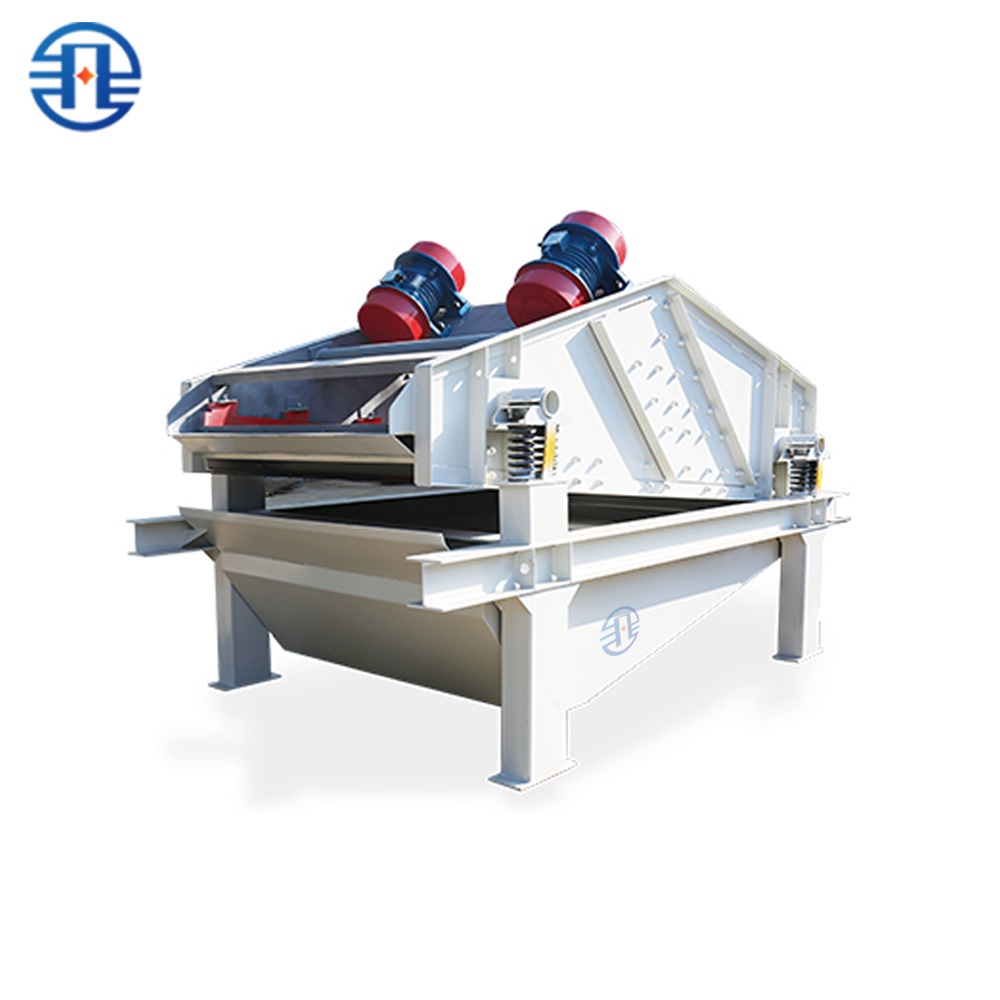
A dewatering screen removes excess water from washed sand, making the material easier to convey, stockpile, and transport. It uses vibration to move sand across a screen surface while water drains through the openings. The sand leaving the screen is still damp, but it generally contains less free water than it did on entry.
For operators, the key distinction is that a dewatering screen controls moisture; it does not replace every stage of sand washing. Its effectiveness depends on the feed, screen openings, and the way water and fine particles are managed throughout the plant.
How a Dewatering Screen Removes Water From Sand
Washed sand enters the vibrating screen as a mixture of solids and water. As the deck vibrates, sand moves toward the discharge end and forms a bed on the screen surface. Water drains through both the sand bed and the screen openings, while most sand particles remain on the deck.
The bed itself plays an important role: it helps retain fine sand that might otherwise pass through the openings with the water. At the same time, the material needs enough movement and time on the deck for water to escape. A feed that is too heavy or too uneven can interfere with that balance, leaving some sand wetter than expected or causing material to spill over the sides.
The water collected below the deck is commonly sent to a sump or another part of the plant’s water management system. It may carry fine particles, so its destination matters when the plant is trying to recover usable fines or control the solids in recycled water.
Where It Fits in a Sand Washing Plant
A dewatering screen is normally positioned after a washing or classification stage. The upstream equipment separates unwanted material or cleans the sand; the screen then reduces the water carried with the finished product. Depending on the flowsheet, sand may reach the screen from a sand washer or from a fine-sand recovery circuit.
A screw washer and a dewatering screen perform related but different jobs. A screw washer moves and washes material while allowing some water to drain; a dewatering screen provides a separate stage focused on reducing free water in the sand. A plant may use either machine or combine them, depending on the incoming material and the desired product condition.
For example, the FEIFAN 2FG15 Energy Saving Double Screw Equipment for River Pebble Cleaning and Low Moisture Sand Output Spiral Sand Washer is a screw washer that can be considered when assessing the washing stage. Whether a separate dewatering screen is useful depends on how wet the washer discharge is and whether that moisture creates problems downstream.
When Does a Separate Dewatering Screen Make Sense?
A separate screen is most useful when washed sand drains poorly in the stockpile, causes excessive water carryover on conveyors, or is too wet for the next handling or transport step. Reducing free water can make the product easier to manage and reduce the amount of water transported with it.
The benefit is less compelling if the existing washer already produces material that handles acceptably and the stockpile has adequate drainage. A screen also cannot deliver a completely dry product: water remains between sand grains, particularly in finer material. If a process needs tightly controlled, very low moisture, further drying or a different treatment may be required.
Moisture should be judged against the actual use of the sand. A damp product may be suitable for stockpiling, while a downstream process may need a more consistent feed condition. Comparing the sand before and after screening under normal operating conditions gives a more useful basis for the decision than appearance alone.
What Operators Should Watch During a Shift
Feed consistency is a practical starting point. Sudden changes in feed rate, water content, or grading can alter the sand bed and the moisture at discharge. If the screen receives surges from upstream equipment, check whether the feed is being distributed across the deck and whether the bed remains reasonably even.
Screen condition affects both drainage and sand retention. Blinded or blocked openings restrict water flow and can leave the discharge wetter. Worn or damaged panels may allow excessive sand to pass into the water collection system. Inspect the deck and its fastenings during scheduled shutdowns, following the equipment’s maintenance instructions.
The water below the screen is a useful clue. Some fine particles in the underflow are normal, but a noticeable increase in recoverable sand can indicate damaged panels, unsuitable openings, or a change in the feed. Check these conditions before assuming the problem is caused by the screen alone.
Choosing Screen Openings and Checking Results
Screen openings must balance drainage against sand retention. Larger openings can let water pass more readily, but they may also allow more fine sand through. Smaller openings can help retain finer particles, but they may be more prone to blockage and can restrict drainage. The right choice depends on the particle sizes in the feed and the value of the fines the plant wants to keep.
If the discharged sand becomes wetter, look at the whole circuit: has the feed become finer, has the water supply changed, or are the screen panels blocked? If sand losses increase at the same time, inspect the panels and consider whether the feed has changed. Tracking discharge moisture alongside feed conditions and visible sand loss helps operators identify the cause before making unnecessary adjustments.
Leave A Message
If you are interested in our products and want to know more details, please leave a message here, we will reply you as soon as we can.