What causes unplanned downtime in an aggregate production line?
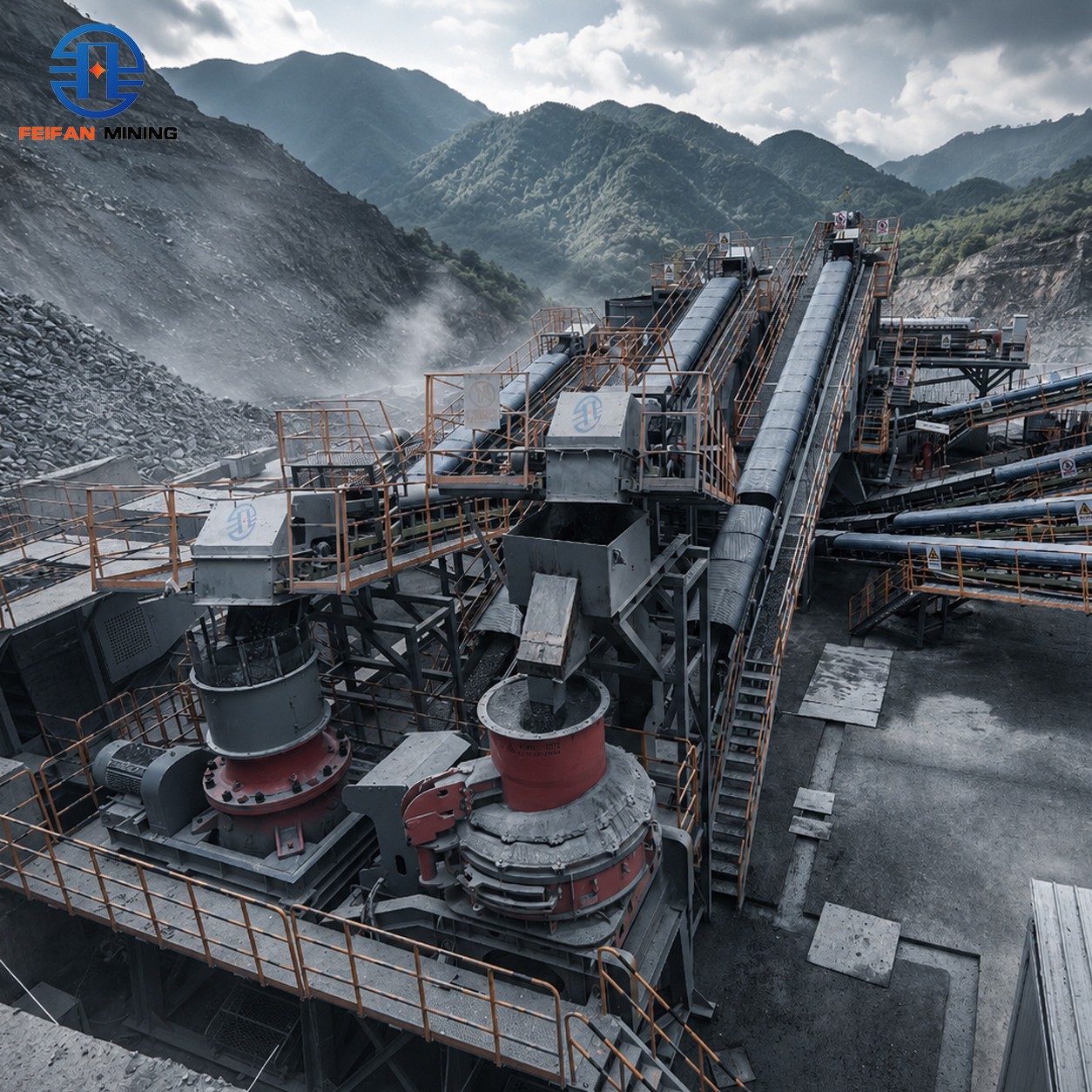
A production shift can look normal for hours and then stop in a few seconds: the crusher draws high current, the screen deck starts overflowing, a belt drifts toward the structure, or an interlock prevents the next machine from restarting. In an Aggregate Production Line, these events rarely affect only one machine. Material builds up upstream, downstream equipment runs empty, and the restart sequence becomes more complicated than the original fault.
The difficult part is that the visible stoppage is often not the real cause. A tripped motor may be reacting to a blocked chute. A blocked chute may be caused by poor screen efficiency. Poor screen efficiency may come from worn panels, excessive moisture, an incorrect feed rate, or a change in material gradation. Restoring reliable operation requires a structured look at the whole material path rather than replacing the first component that appears abnormal.
Start with the operating symptom, not the alarm code
When unplanned downtime occurs, the first useful question is: What changed immediately before the line stopped? The answer can usually be found in the sequence of events, operator observations, control-system history, and the condition of material left in the equipment.
For example, if a crusher trips after a period of increasing noise and reduced throughput, inspect the feed condition and crushing chamber before assuming the motor is defective. If a conveyor trips shortly after a screen starts to overload, look for carryback, chute blockage, wet sticky material, or a downstream belt that is unable to accept the load.
Before opening guards or clearing material, isolate energy sources according to site procedures. Mechanical, electrical, hydraulic, pneumatic, and gravity hazards may remain even after a machine has stopped. A hurried restart can turn a manageable downtime event into equipment damage or a safety incident.
Feed instability often begins the chain reaction
Many stoppages start at the front end of the process. Feeders are expected to deliver a steady material bed, but their performance can be affected by uneven stockpile loading, large oversize pieces, wet fines, bridging in the hopper, worn liners, or an incorrect gate opening. When the feed fluctuates sharply, crushers and screens cannot operate near their intended working condition.
An overloaded crusher may experience chamber packing, excessive power draw, belt slip, hydraulic pressure alarms, or accelerated wear. Underfeeding creates a different problem: poor particle-on-particle crushing, unstable product grading, and intermittent loading on conveyors. Neither condition is solved permanently by simply increasing the feeder speed.
During diagnosis, compare the actual feed pattern with the equipment’s expected capacity. Look for a material pile concentrated on one side of the feeder, sudden changes in rock size, or fines that cling to hopper walls. Examine feeder springs, drive components, liners, and wear points as well. A mechanical defect can make a feeder appear to have a process-control problem.
Crusher wear is not only a parts issue
Worn jaw plates, cone liners, impact components, and chamber liners can reduce crushing efficiency long before a component fails completely. As profiles wear, the crusher may produce more flat or oversized material, require more recirculating load, and transfer irregular material to the screening stage. The result is often described as “screen trouble,” even though the source is upstream.
Check whether the discharge setting matches the current liner condition and production target. Also inspect for loose fasteners, damaged backing material where applicable, blocked lubrication passages, abnormal bearing temperature, and contaminated oil. A crusher that repeatedly trips on temperature or pressure should not be reset repeatedly without identifying why the protection system is reacting.
Material properties matter too. Clay, high moisture, uncrushable inclusions, and unexpected oversize can cause a sudden change in crusher behavior. When the raw feed changes, the operating settings may need adjustment rather than continued operation at the previous setpoint.
Screening problems are a frequent hidden source of lost time
A vibrating screen can remain in motion while performing poorly. Blinding, pegging, broken screen media, loose clamping, uneven distribution, and incorrect vibration settings reduce separation efficiency. The downstream effect may be overloaded return conveyors, contamination in finished product, or buildup in transfer chutes.
Wet material and near-size particles are common causes of blocked apertures. In this situation, cleaning the deck may restore flow temporarily, but the real correction may involve changing spray-water use, reducing the feed burden, improving material distribution, or selecting screen media better suited to the material shape and moisture condition.
Screen media should be inspected as a working surface, not only after visible breakage. Look for rounded apertures, torn edges, missing modules, unsupported areas, and material bypassing beneath panels. Where frequent replacement or inconsistent fit contributes to maintenance delays, modular options such as FEIFAN OEM Custom Interchangeable Panels for Mining and Aggregate Modular Polyurethane Screen Panels may be considered if their aperture, mounting arrangement, and wear characteristics match the screen and application.
Do not overlook the screen’s mechanical condition. Cracked side plates, fatigued springs, loose exciter fasteners, damaged bearings, and incorrect rotation can create poor screening and eventually force a shutdown. A screen deck that appears overloaded may actually be moving with an abnormal stroke or an uneven motion pattern.
Follow the material when conveyors begin to stop
Conveyors are often treated as simple transport equipment, but they are where small process issues become major interruptions. Belt misalignment can damage edges and trigger tracking switches. Carryback can accumulate around pulleys and cause belt drift. A blocked discharge chute can load the belt until the drive overloads. Spillage may then interfere with idlers, pull-cord switches, and guarding.
When a conveyor stops, inspect the belt path from loading point to discharge point. Observe whether material lands centrally, whether skirt rubber is too tight or too loose, and whether the chute outlet directs material in the same direction as belt travel. Check idlers for seizure, damaged rollers, missing brackets, and material buildup. Tracking adjustments should be made only after correcting the underlying loading or cleanliness problem; turning idlers to force the belt back is rarely a durable answer.
On inclined conveyors, confirm that the belt is not slipping under peak load. Worn lagging, insufficient take-up tension, a contaminated drive pulley, or an overloaded transfer point may each create the same symptom. Inspect the drive train rather than assuming the motor is undersized.
Lubrication and control faults require different evidence
Lubrication failures usually develop through warning signs: rising bearing temperature, abnormal noise, discolored grease, oil leakage, low pressure, or metal particles in oil. Common causes include the wrong lubricant, over-greasing, under-greasing, blocked lines, seal failure, water ingress, and missed service intervals. Adding more grease without confirming bearing requirements can increase heat and worsen the condition.
Electrical and automation faults can be more intermittent. Loose terminal connections, damaged cables, moisture in enclosures, sensor contamination, overloaded drives, failed relays, and communication interruptions may cause nuisance trips. The key is to distinguish a genuine process overload from a false signal. Review the alarm sequence, inspect the sensor position and wiring, and verify whether the protected machine was actually in an abnormal state.
Interlocks should be tested carefully after maintenance. In an Aggregate Production Line, a downstream machine must usually be available before upstream equipment starts. Bypassing an interlock to save time can lead to immediate blockage when the normal material path is not ready.
A practical recovery sequence after a stoppage
Once the immediate cause has been identified and made safe, clear accumulated material in the correct direction of flow. Start downstream conveyors and discharge equipment first, then screens, crushers, feeders, and other upstream machines according to the site’s approved sequence. Watch the first several minutes closely. A line that starts successfully can still fail again if the original load condition has not been corrected.
- Record the first alarm, the equipment that stopped first, and the visible material condition.
- Inspect the equipment immediately upstream and downstream of the trip point.
- Correct the physical cause before resetting protective devices.
- Restart at a controlled feed rate and increase loading gradually.
- Document recurring symptoms, replaced parts, and adjustments for the next inspection.
Repeated downtime is often reduced by turning these observations into routine work orders. A recurring screen blockage may justify a review of feed distribution and media selection. Repeated conveyor drift may point to loading geometry and cleaning practices. Frequent crusher trips may reveal changes in feed size or a liner-management issue.
The most useful maintenance habit is to treat every stoppage as evidence of a process condition. When teams trace the event from material feed through crushing, screening, conveying, lubrication, and controls, they are more likely to remove the cause instead of repeatedly resetting the symptom.
Leave A Message
If you are interested in our products and want to know more details, please leave a message here, we will reply you as soon as we can.