What Affects Sand Washing Machine Cleaning Efficiency Most
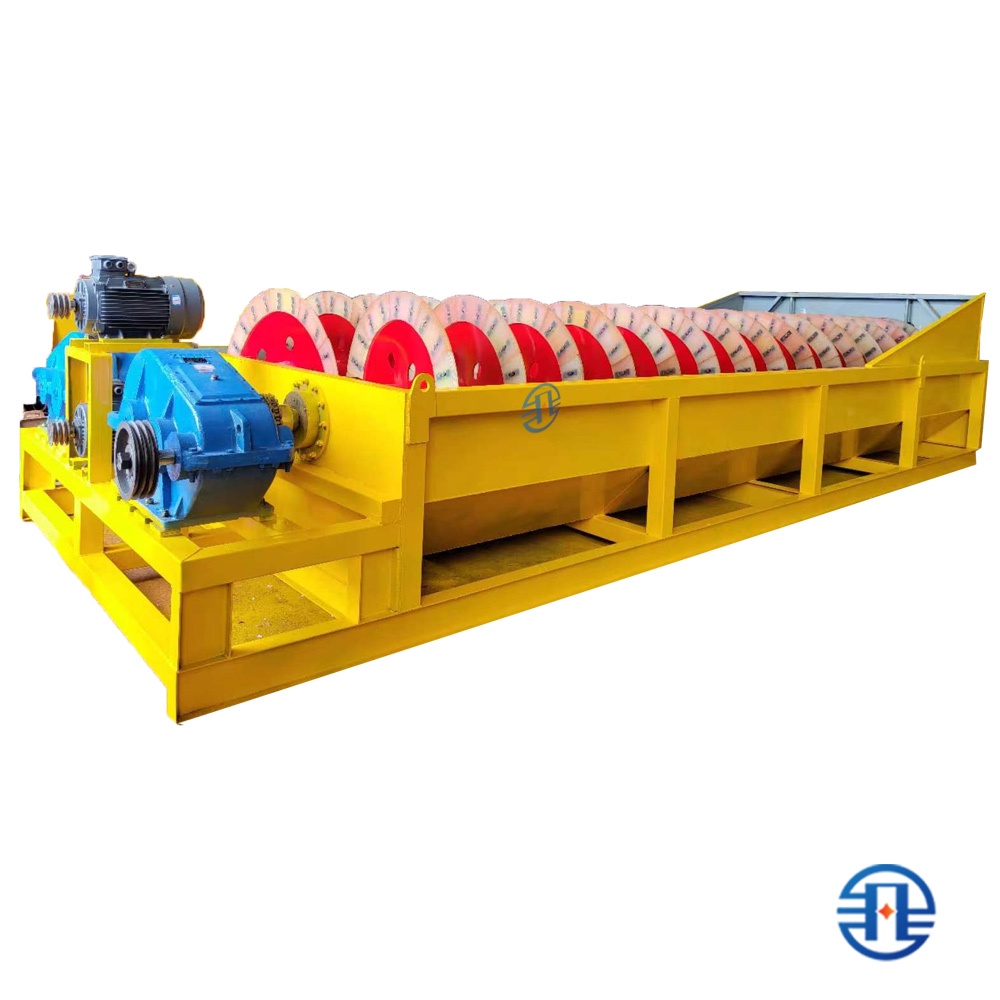
What Affects Sand Washing Machine Cleaning Efficiency Most
The cleaning efficiency of a Sand Washing Machine directly affects finished sand quality, water consumption, and total production cost.
When washing performance drops, operators usually see higher mud content, unstable grading, and more material loss.
In real production, the issue is rarely caused by one factor alone.
It usually comes from material conditions, machine structure, water control, and daily operating habits working together.
Understanding these variables helps keep the Sand Washing Machine efficient, reliable, and easier to manage over time.
1. Raw Material Properties Often Have the Biggest Impact
The first thing to check is always the feed material.
A Sand Washing Machine can only perform well if the incoming sand matches its design range.
High clay content is one of the most common reasons for low cleaning efficiency.
Sticky clay wraps around particles, making impurities harder to separate during washing.
Fine powder also changes the slurry condition.
If fines are too high, overflow water becomes cloudy, and clean sand recovery becomes less stable.
Particle size distribution matters as well.
Mixed feed with too many oversized particles reduces washing uniformity and increases wear inside the machine.
- High mud content lowers separation efficiency.
- Too many fines raise water demand.
- Oversized particles reduce stable cleaning action.
- Uneven feed causes inconsistent final sand quality.
This is why feed control usually brings the fastest improvement.
2. Water Volume and Water Quality Control the Washing Effect
Water is not just a supporting input.
It is a core part of how a Sand Washing Machine removes silt, clay, and dust.
Too little water leaves impurities attached to the sand surface.
Too much water may improve washing, but it can also carry away useful fine sand.
That means the best result comes from balance, not maximum flow.
Water quality also matters more than many sites expect.
If recycled water contains too much suspended solids, washing performance drops quickly.
Dirty return water can redeposit sludge onto the material being cleaned.
A simple water monitoring routine can prevent this issue before output quality changes.
3. Equipment Design Determines the Cleaning Ceiling
Even with good material and proper water flow, machine design still sets the upper limit.
The structure of the Sand Washing Machine affects agitation, retention time, drainage, and sand recovery.
Blade angle, tank depth, screen mesh selection, and discharge layout all influence performance.
When the pre-screening stage is unstable, washing efficiency often suffers downstream.
That is why some operations pair washing systems with reliable screening support.
For example, a properly matched FEIFAN OEM Industrial Heavy Duty Mining Sand Quarry Horizontal Vibrating Screen Machine Supplier setup can improve feed consistency before washing begins.
This reduces overload, lowers coarse contamination, and makes the washing process easier to control.
4. Feed Rate and Machine Load Must Stay Stable
A Sand Washing Machine works best under a stable feed rate.
Sudden surges reduce contact time between water and particles.
Underfeeding is not ideal either.
It may lower throughput and make operating costs less efficient per ton.
In daily work, fluctuating conveyor speed is a common source of unstable washing results.
A consistent load helps the machine maintain proper agitation and discharge rhythm.
- Check whether the feeder delivers evenly.
- Match feed volume with rated machine capacity.
- Avoid pushing maximum tonnage for long periods.
- Track output moisture and mud residue every shift.
These small controls often improve cleaning efficiency more than major adjustments.
5. Wear Parts and Maintenance Directly Affect Efficiency
Cleaning efficiency usually declines gradually, not suddenly.
Worn blades, damaged screens, loose transmission parts, and blocked spray pipes all reduce washing quality.
Because this happens slowly, it is easy to miss during busy production periods.
A preventive maintenance routine keeps the Sand Washing Machine closer to its design performance.
Sites that inspect wear parts on schedule usually get more consistent output and lower unplanned downtime.
- Inspect impellers, blades, and screens regularly.
- Clean nozzles and water channels before blockage builds up.
- Check bearings, seals, and drive components.
- Replace worn parts before product quality drops.
6. Process Matching Across the Whole Line Matters
A Sand Washing Machine should not be judged as a standalone unit.
Its efficiency depends on how well it fits the full sand and gravel process.
Crusher discharge condition, screening accuracy, slurry return design, and dewatering arrangement all influence final performance.
When the upstream system sends unstable feed, the washer spends energy correcting avoidable problems.
This is one reason integrated equipment planning matters in aggregate production.
Our group has focused on sand and gravel mining equipment and EPC services since 2009.
With manufacturing, R&D, whole-line contracting, and after-sales support in one system, practical process matching becomes easier to achieve.
That includes crushers, vibrating screens, sand making machines, sand washing machines, conveyors, and custom screening solutions.
7. What Usually Affects Cleaning Efficiency Most?
If one factor must be ranked first, feed material condition is usually the biggest driver.
A well-designed Sand Washing Machine cannot fully compensate for excessive clay, unstable grading, or overloaded operation.
Right behind that come water control and stable feeding.
Equipment design and maintenance then decide how consistently the system can hold good results.
In other words, the best washing performance comes from process discipline, not from one isolated adjustment.
For better Sand Washing Machine efficiency, start by checking feed quality, water condition, machine load, and wear status together. That approach usually delivers the fastest and most reliable improvement.
Leave A Message
If you are interested in our products and want to know more details, please leave a message here, we will reply you as soon as we can.