How to reduce blinding when using polyurethane screen mesh
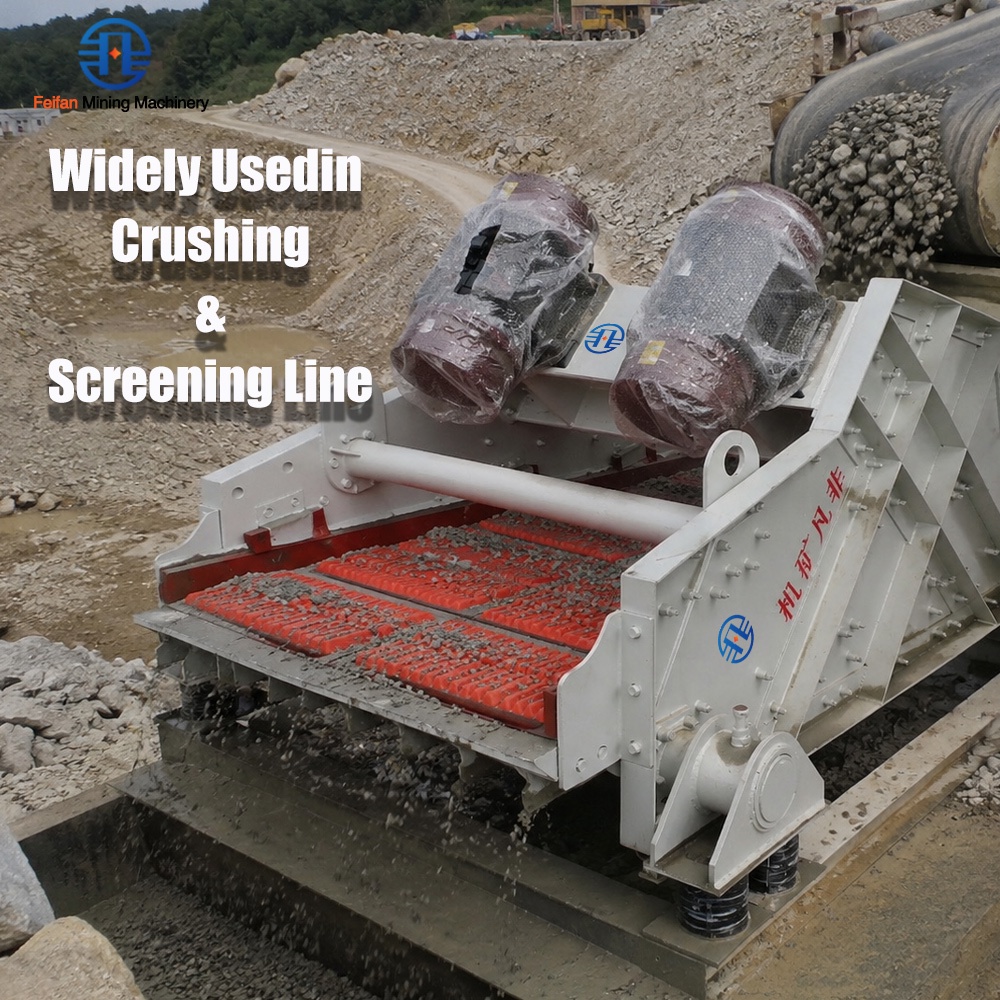
How to Reduce Blinding When Using Polyurethane Screen Mesh
Blinding can quietly turn a productive screening deck into a daily source of frustration. At the beginning of a shift, material may pass evenly across the surface. A few hours later, apertures begin to plug with damp fines, clay-rich particles, or elongated grains. The result is familiar to many operators: reduced throughput, poor separation accuracy, carryover of oversized material, and repeated stops to clean the deck.
A properly selected Polyurethane Screen Mesh is highly resistant to abrasion and well suited to demanding mining, quarrying, and aggregate applications. However, wear resistance alone does not prevent blinding. Keeping openings clear depends on the relationship between material condition, aperture design, screen motion, installation quality, and operating discipline.
The good news is that most blinding problems can be reduced without treating every issue as a mesh failure. A careful inspection of what is plugging the openings—and when it happens—usually points to a practical solution.
Start by Identifying What Is Actually Blocking the Apertures
Not all blocked screen openings are caused by the same mechanism. Operators often call every reduction in open area “blinding,” but the corrective action changes depending on the material behavior.
- True blinding occurs when near-size particles lodge tightly in an aperture. This is common when particles are slightly larger or smaller than the opening, especially when they are flat, flaky, or elongated.
- Plugging is usually associated with wet fines, clay, or sticky coatings that build up inside the apertures.
- Surface buildup happens when moist material forms a layer on top of the screen rather than passing through it.
- Overloading can look like blinding because the material bed becomes too deep for smaller particles to reach the mesh surface.
Before changing the screen panels, stop the machine safely and examine several sections of the deck. Look closely at the blocked particles. Are they wedged stones, compacted wet fines, or a clay film? Also note whether blockage is concentrated near the feed end, in the middle of the deck, or at the discharge end. This simple observation prevents costly guesswork.
Choose an Aperture Shape That Matches the Material
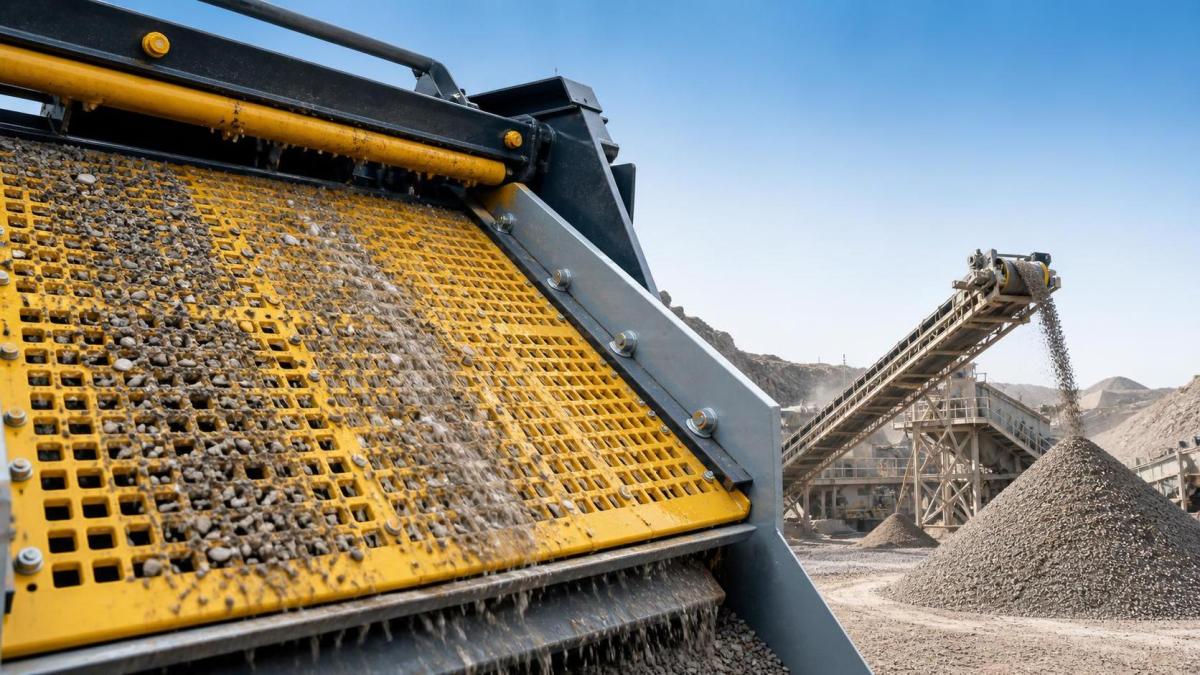
Square openings are common because they provide balanced sizing performance, but they are not always the best choice for wet or difficult feed. When blinding is caused by near-size particles, consider whether a different aperture geometry would release material more easily.
Slotted openings may improve passage for elongated material when the slot direction is correctly aligned with material flow. For certain applications, tapered apertures—wider on the underside than the top—help reduce the chance of particles locking into the panel. Anti-blinding or self-cleaning panel designs can also be appropriate where sticky fines are unavoidable.
Do not simply increase aperture size to stop blinding. A larger opening may improve flow but can compromise the required product gradation. The better approach is to compare the feed size distribution with the target cut size. If a large share of the feed sits very close to the aperture dimension, blinding risk will naturally be high. Adjusting the cut point slightly, using a different aperture form, or adding a scalping stage may be more effective than repeatedly cleaning the same deck.
Pay Attention to Open Area, Panel Thickness, and Support Design
A Polyurethane Screen Mesh must be tough enough to survive abrasive stone, but an excessively thick screening surface can reduce effective open area and make fine screening more difficult. This does not mean thinner is always better. The panel has to match the impact load, particle size, and support arrangement of the screen deck.
For fine, wet screening, sufficient open area is especially important. If the mesh has too little open area, particles spend longer on the surface, moisture has more opportunity to bind fines together, and the deck may appear to blind earlier. On the other hand, a panel with inadequate reinforcement can flex excessively or wear prematurely under heavy feed.
Check the supporting bars and fastening system as well. Poor support can create low spots where material accumulates. Loose clamps allow the panel to move, damaging edges and changing the intended screening action. Panels should sit flat, be securely tensioned or clamped according to their design, and have no gaps that permit material to pack underneath.
Control Moisture Before It Reaches the Screen
Water is often the decisive factor. A small increase in moisture can turn free-flowing crushed aggregate into a sticky feed that coats every aperture. This is particularly common with manufactured sand, weathered rock, clay-bearing overburden, and fine mineral material.
Where possible, separate water management from the screening problem. Inspect upstream washing, spray bars, dewatering equipment, drainage chutes, and transfer points. Uncontrolled water entering the feed stream may create localized wet zones that block only part of the screen deck. A poorly positioned spray can also wash fines into the feed end and form a dense layer before the material has a chance to stratify.
For wet screening, adequate water can help carry fines through the mesh—but only if the water is distributed evenly and the screen has enough capacity. For dry screening, reducing excess moisture upstream is normally the more reliable path. Stockpile management matters too: material exposed to rain, muddy loader buckets, or poorly drained ground can introduce conditions that no screen panel can fully overcome.
Make Sure the Screen Motion Is Doing Its Job
Apertures stay cleaner when the material bed is continuously loosened, stratified, and presented to the screening surface. If vibration settings are wrong, even the right mesh may struggle.
Review stroke, frequency, inclination, and direction of throw against the material and machine design. A screen running with insufficient acceleration may not break apart damp clusters or lift near-size particles away from the openings. Excessive material speed, however, can send feed across the deck too quickly, leaving fines no time to pass. Uneven vibration between screen sides may indicate an issue with exciters, bearings, shafts, or structural alignment, and this can cause one area of the deck to load up while another area remains underused.
On high-capacity plants, the screen type also affects how effectively the deck uses its available area. A machine such as the High Efficiency Three-axis Elliptical Horizontal Vibrating Screen Machine for Mining can provide an elliptical motion pattern designed to support material stratification and throughput. Still, its performance depends on matching the deck configuration, feed condition, and operating settings to the actual application.
Reduce Feed Surges and Improve Material Distribution
Many operators focus on the mesh while overlooking the feed box. A sudden surge from a crusher or conveyor can bury the first section of the deck. Fine particles then travel trapped inside a thick layer of material rather than reaching the apertures. The apparent “blinding” may actually be poor stratification caused by excessive bed depth.
Keep the feed rate stable and distribute material across the full width of the screen. Feed chutes should direct material toward the deck without creating a narrow central pile or an aggressive impact point that damages panels. If most of the material lands on one side, that side will blind and wear faster, while the remaining screening area contributes little.
Watch the material pattern during normal operation. A healthy deck shows a reasonably even layer that gradually thins toward discharge. A heavy mound at the feed end, streams of material along the side plates, or dead zones near the center are signs that chute adjustments or feed control may be required.
Use Cleaning Aids Carefully, Not Automatically
Ball decks, rubber cleaning elements, and other self-cleaning devices can be useful for dislodging particles from polyurethane panels. They are most effective when the blockage is caused by wedged near-size particles rather than thick mud. The cleaning aid must contact the underside of the screen properly and have enough movement to create repeated impact.
However, adding cleaning balls is not a universal cure. If the panel is overloaded, the aperture is poorly matched to the feed, or wet clay is coating the top surface, cleaning devices may provide only limited relief. They should support good screening conditions, not replace them.
A Short Operating Routine That Prevents Repeat Problems
Operators can catch most blinding issues early with a consistent routine. At startup, confirm that the deck is securely installed and free from packed material. During production, observe feed distribution, water condition, and the pattern of material travel. At scheduled stops, inspect for lodged particles, damaged apertures, loose fasteners, and buildup beneath the panels.
It is also useful to record when blinding occurs: after rain, during a particular rock source, at a certain feed rate, or only on one deck. These notes turn a recurring complaint into usable operating data. Over time, the team can determine whether the solution lies in mesh selection, material preparation, machine adjustment, or upstream process control.
Reducing blinding is ultimately about giving each particle a fair chance to reach and pass through the opening. With the right polyurethane panel design, stable feed, suitable vibration, and attention to moisture, operators can keep screening performance steadier and spend far less time cleaning a deck that should be producing.
Leave A Message
If you are interested in our products and want to know more details, please leave a message here, we will reply you as soon as we can.