Sand Washing Machine Cost Breakdown: Purchase, Water, and Wear Parts
Why does Sand Washing Machine cost often look simple at first, but change during evaluation?
A Sand Washing Machine is rarely judged by price alone. The quote is only the visible part of the investment.
In actual projects, water use, wear parts, power demand, civil work, and shutdown frequency shape the real budget more than many buyers expect.
That matters even more in sand and gravel plants, where washing quality affects finished product value, fines recovery, and downstream screening efficiency.
A practical way to review Sand Washing Machine cost is to separate it into purchase cost, operating cost, and life-cycle replacement cost.
This is also why factory background matters. A supplier with in-house manufacturing, screen media support, and EPC experience usually gives clearer cost visibility.
With long-term work in mining equipment manufacturing, complete production lines, and overseas project delivery, FEIFAN’s group structure helps connect equipment selection with whole-line budgeting.
What is usually included in the purchase cost of a Sand Washing Machine?
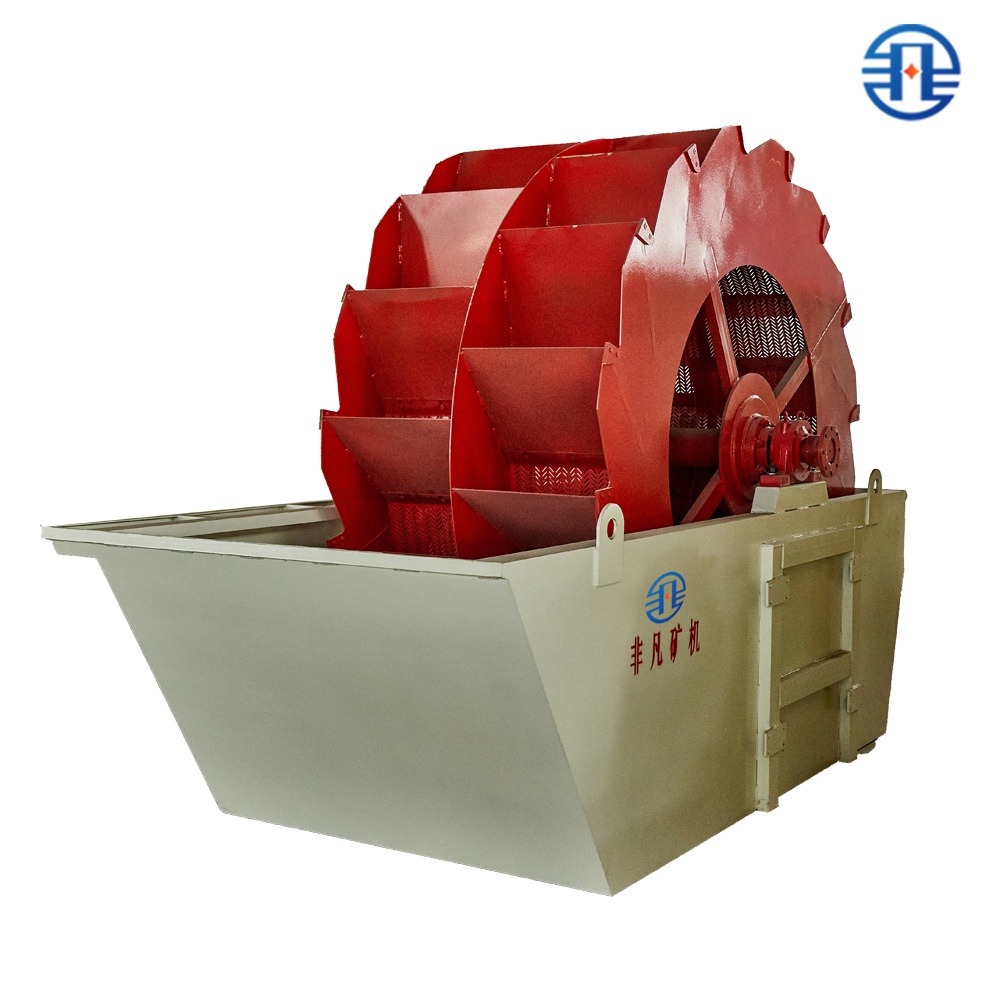
The equipment price normally covers the machine body, drive system, trough or wheel structure, motor, reducer, and standard assembly parts.
But the final purchase package may also include options that change the quote noticeably.
- Feed capacity and target output
- Material type, especially quartz sand, river sand, or machine-made sand
- Mud content and moisture level
- Fine sand recovery configuration
- Steel grade and wear-resistant lining options
- Export packing, spare parts set, and installation support
More often than not, the lower quote excludes supporting items. That can make two Sand Washing Machine offers look comparable when they are not.
For example, a unit with reducer drive and fine sand recovery can cost more upfront, yet reduce product loss and improve washing stability later.
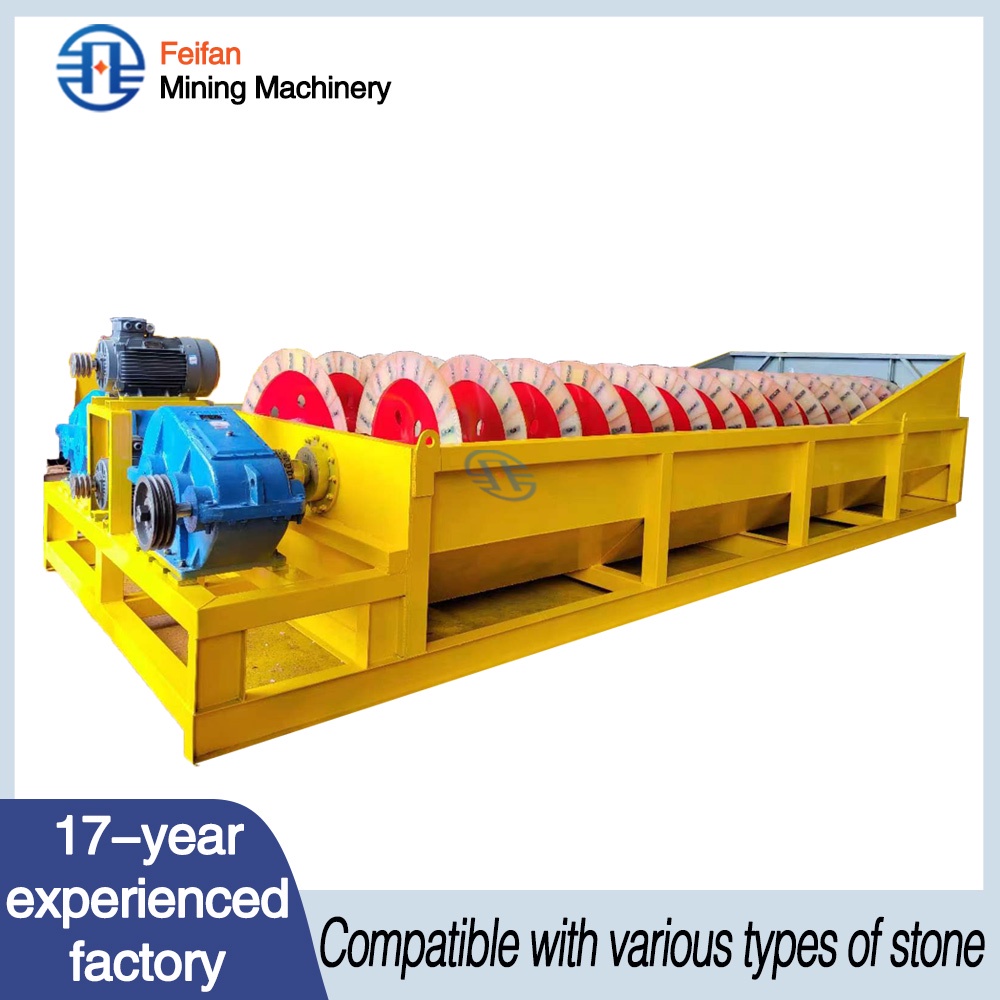
A model such as FEIFAN FG12 Customizable Washing Equipment for Quartz Sand with Reducer Drive and Fine Sand Recovery Spiral Sand Washer fits this kind of comparison, where structure and recovery design affect both quotation and operating return.
How much does water consumption really matter in total cost?
Water cost is often underestimated when evaluating a Sand Washing Machine. In many regions, it becomes a long-term operating burden.
The direct expense is only one side. Water also affects settling ponds, recycling systems, pumping load, and environmental compliance planning.
A useful question is not simply “How much water does the machine use?”
The better question is “How much fresh water is still needed after circulation and recovery?”
This is where process design changes the answer. A Sand Washing Machine matched with recovery equipment may cut waste and improve usable sand yield.
If local water supply is tight, water-saving design may be worth more than a lower initial machine price.
Which wear parts drive maintenance cost over time?
Wear cost depends on abrasive material, feed size, operating hours, and how well the machine matches the process.
For a Sand Washing Machine, the usual maintenance focus includes blades, trough liners, bearings, seals, reducer-related components, and transmission parts.
Quartz sand is especially demanding. Hard material can shorten replacement intervals if wear protection is weak.
The hidden issue is not just spare part price. Shutdown losses can easily exceed the part itself.
That is why buyers usually ask three things together:
- How long do common wear parts last under similar material conditions?
- Are replacement parts standardized and easy to source?
- Can the supplier support quick delivery after export shipment?
A group that also manufactures mining screens and complete line equipment often has an advantage here, because wear patterns are understood in the context of the full plant.
How should two Sand Washing Machine quotations actually be compared?
The cleanest method is to compare by cost per ton of washed sand over time, not by equipment invoice alone.
A quote should be checked against operating assumptions. Without that, the comparison is too shallow.
In practice, a factory-direct supplier with EPC understanding can often identify these missing details before the order stage, which reduces later change orders.
That is also where a solution like FEIFAN FG12 Customizable Washing Equipment for Quartz Sand with Reducer Drive and Fine Sand Recovery Spiral Sand Washer should be judged in context, especially for quartz sand lines where recovery and durability are both critical.
What are the most common cost mistakes before placing an order?
One mistake is selecting by nominal capacity only. Material cleanliness, clay content, and fines ratio can change machine behavior significantly.
Another is ignoring the cost of support systems. Pumps, ponds, dewatering, foundations, and electrical integration should be budgeted early.
A third mistake is treating spare parts as a secondary issue. For abrasive applications, wear planning belongs in the first round of evaluation.
It is also worth checking the supplier’s manufacturing depth. A plant with 66000 square meters, dedicated workshops, senior engineers, and patent-backed development usually offers stronger control over consistency and replacement support.
The better route is to build a short decision sheet before final approval:
- Define feed material and target finished sand standard
- Estimate water source, recycling rate, and discharge handling
- Request wear part list with expected replacement cycle
- Confirm whether the Sand Washing Machine is standalone or line-integrated
- Compare total operating cost over at least one planned service cycle
So, what is the smartest next step before choosing a Sand Washing Machine?
Start with process reality, not catalog pricing. The best Sand Washing Machine is the one that keeps cost per ton predictable.
A sound review usually combines equipment quote, water balance, wear forecast, and full-line compatibility.
When the supplier can cover R&D, production, turnkey contracting, and after-sales support, cost discussions become more reliable because fewer assumptions stay hidden.
Before moving ahead, organize the material data, output target, and site conditions into one comparison sheet. That makes every Sand Washing Machine quote easier to judge on real operating value, not appearance alone.
 FEIFAN 2FG15 High Capacity Mine Tailings Washing Equipment with Double Spiral Structure and Long Service Life Spiral Sand Washer
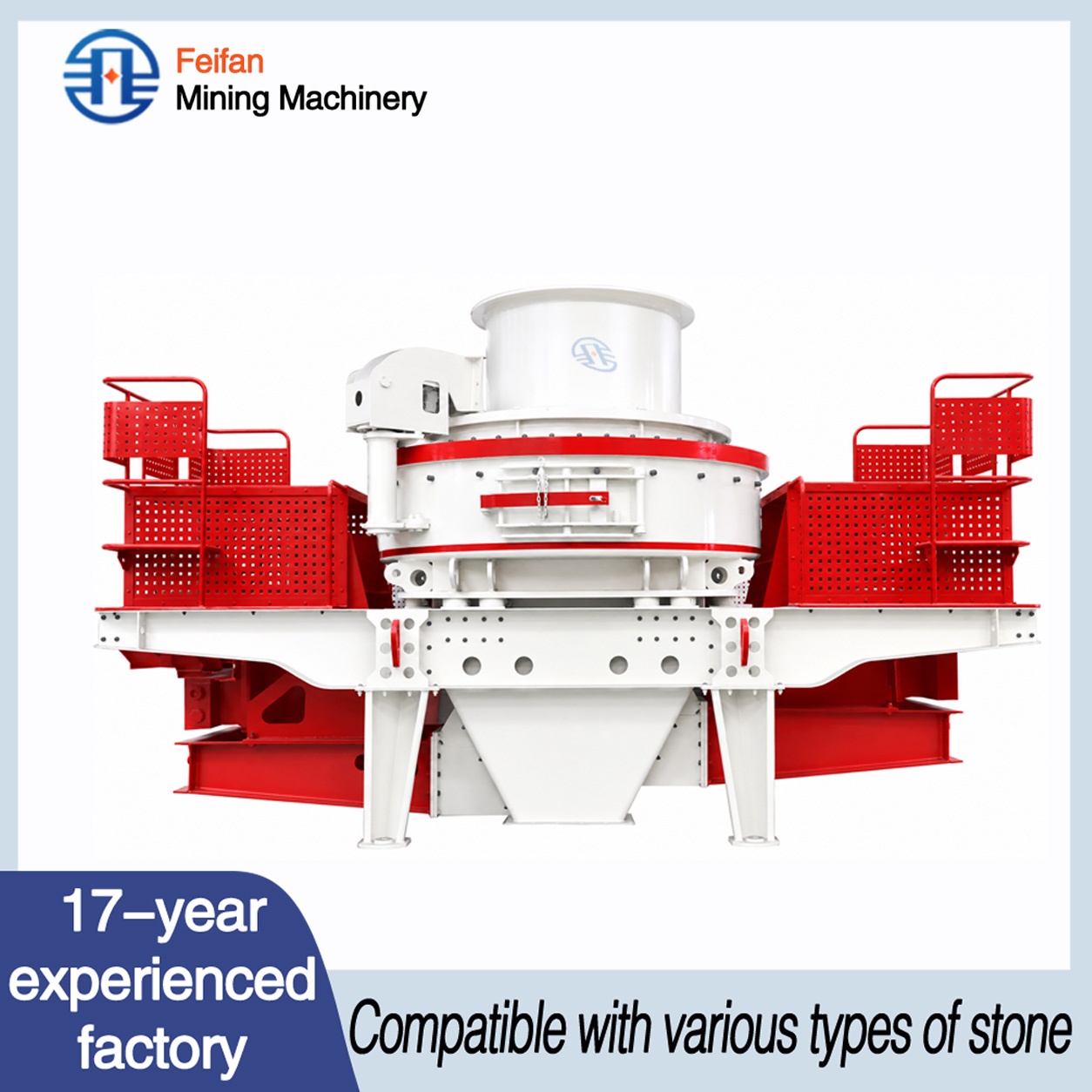
 OEM Large Volume Material Handling VSI-8000 With Open Rotor And Thin Oil Lubrication For Quartz Ore Fine Processing Machine
 Lifting Aggregate Finished Output Inside Complete Quarry Aggregate Grading Screening Production Lines Woven Screen Mesh
Leave A Message
If you are interested in our products and want to know more details, please leave a message here, we will reply you as soon as we can.