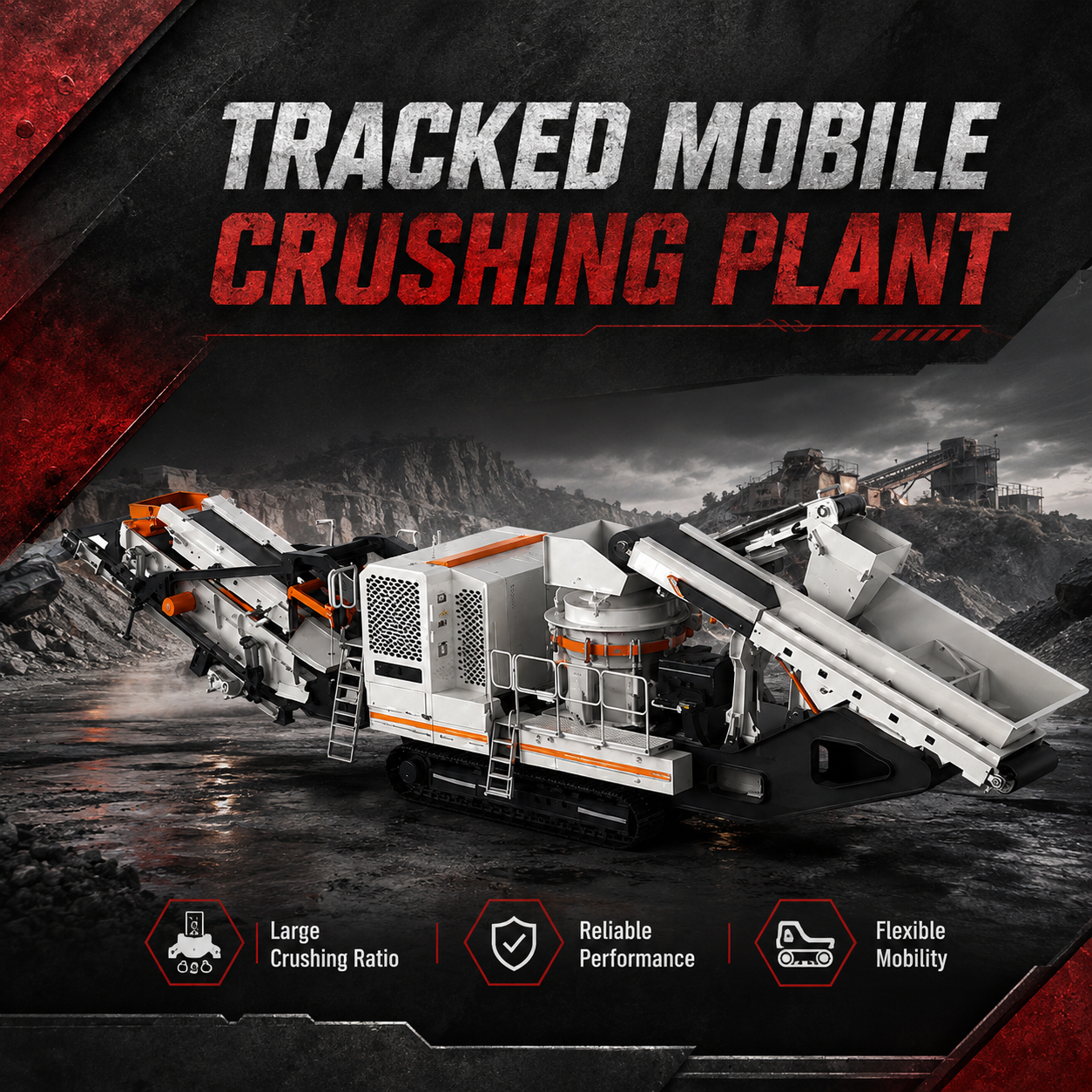
How to Prepare Stable Ground for a Mobile Crushing Station
A stable crushing pad needs verified bearing capacity, controlled drainage, and support matched to equipment loads. A level surface alone cannot prevent settlement or downtime.
For project managers, the priority is confirming that ground preparation suits the machine, operating conditions, and site risks before committing equipment and production schedules.
This guide explains how to assess ground conditions, build a suitable working platform, and verify readiness for safe, consistent operation of a Mobile Crushing Station.
What Must Be Confirmed Before Groundwork Starts?
Obtain the manufacturer’s installation requirements for your exact model, including operating weight, support arrangements, permitted inclination, and any requirements for mats, foundations, or outriggers.
Transport weight is insufficient for planning. Establish operating loads, including retained material, attachments, and support reactions associated with feeding, crushing, and conveying during normal production.
Confirm whether the crusher operates on tracks, tires, stabilizers, or designated supports. Each arrangement transfers loads differently and may require a different ground preparation design.
Also define the operating period, expected weather, relocation frequency, and consequences of downtime. These factors help determine the appropriate platform design and investigation effort.
Assign responsibility early: the equipment supplier defines machine requirements, while a qualified geotechnical or civil engineer evaluates ground support and specifies any necessary improvements.
Can the Existing Ground Carry the Actual Loads?
Start with a site walkover and available ground records. Look for soft spots, standing water, buried trenches, uncontrolled fill, underground services, and previous excavations.
A dry surface can conceal weak material below. Sites containing clay, organic soils, variable fill, or shallow groundwater usually warrant closer investigation before mobilization.
Use investigation methods selected for the site, potentially including trial pits, boreholes, penetration testing, or laboratory testing. Visual inspection alone cannot establish reliable bearing capacity.
The assessment should address both bearing failure and settlement. Uneven settlement can distort support conditions and affect machine alignment before an obvious ground failure develops.
For preliminary screening, average contact pressure equals supported load divided by effective contact area. This calculation does not establish peak pressures or demonstrate platform adequacy.
For example, 600 kN distributed over 6 m² produces 100 kPa average pressure. Actual support reactions, eccentric loading, vibration, and underlying soil conditions still require assessment.
Where Should the Crushing Pad Be Located?
Select a location that supports the complete production layout, including the feeder, crusher, conveyors, maintenance access, loader movements, and safe separation of people and vehicles.
Avoid placing the station near excavation edges, unsupported slopes, retaining structures, or buried utilities without engineering assessment. Safe separation depends on ground conditions and loading.
Check overhead clearances and conveyor discharge positions before fixing the pad footprint. Relocating a completed platform can cost more than resolving layout conflicts during planning.
Provide sufficient working space around the equipment for inspection, component replacement, and emergency access. Use the manufacturer’s clearance requirements when defining the final platform dimensions.
Keep stockpiles and loader routes within assessed areas. Their loads, repeated movements, and runoff can affect the crusher platform even when the machine remains stationary.
How Should You Build and Compact the Working Platform?
Strip vegetation, topsoil, organic matter, and unsuitable fill from the platform area. Remove isolated weak pockets according to the ground improvement design before placing aggregate.
Choose durable, well-graded granular material suitable for the specified platform. Uncontrolled demolition rubble or mixed waste may create voids, inconsistent support, and difficult compaction.
Platform thickness must reflect soil strength, equipment loading, drainage, and service conditions. There is no universal aggregate depth suitable for every mobile crushing installation.
Where separation or reinforcement is needed, an engineer may specify geotextiles or geogrids. These products require appropriate selection and installation within a designed platform.
Place material in controlled layers compatible with the selected compactor. Adjust moisture as specified, and complete the required compaction before adding each subsequent layer.
Define acceptance criteria before construction begins, including material grading, layer thickness, and verification methods. Retain inspection and test records so readiness decisions have documented support.
How Do You Keep Water from Weakening the Ground?
Drainage should be designed alongside the platform, because trapped water can reduce soil strength, cause rutting, and undermine otherwise well-compacted aggregate during wet weather.
Intercept upslope runoff before it reaches the working area. Direct clean water through suitable channels, while managing sediment-bearing runoff according to local environmental requirements.
Grade surrounding surfaces to drain without exceeding the machine’s operating inclination limits. A drainage slope across the wider site does not automatically suit the crusher.
Prevent discharge from washing equipment, leaking pipes, or blocked drains from saturating support areas. Water entering beneath tracks or support pads requires prompt investigation.
Inspect drainage after heavy rainfall and keep outlets clear. Where seasonal groundwater or flooding is credible, obtain a specific drainage or platform elevation design.
What Checks Are Needed During Machine Setup?
Position the Mobile Crushing Station according to its operating manual, then verify level and support contact using the manufacturer’s specified measurement points and tolerances.
Where approved mats or support pads are required, size them for the actual reactions and supporting ground. A larger pad alone does not guarantee stability.
Do not improvise support with loose stones, scrap timber, or unstable stacks. Use engineered support arrangements and adjustment procedures approved for the equipment configuration.
Check that connected conveyors, chutes, and cables accommodate the intended arrangement without imposing unintended forces. Adjacent equipment should have its own verified support conditions.
Complete commissioning checks in the manufacturer’s sequence, including unloaded and controlled loaded operation where specified. Establish baseline level readings before releasing the station for production.
Which Verification Measures Justify Releasing the Site?
Use verification methods appropriate to the platform design. These may include compaction testing, level surveys, plate loading tests, or other checks specified by the engineer.
Proof rolling can reveal visible yielding or rutting, but it cannot independently confirm acceptable deep ground conditions, settlement performance, or resistance to all operating loads.
Before handover, confirm that ground preparation records, drainage inspections, equipment setup checks, and outstanding defects have been reviewed by the responsible personnel for approval.
Agree operating stop criteria before startup. New tilt, progressive settlement, pumping ground, loss of support contact, or unusual movement should trigger suspension and assessment.
How Can Project Managers Control Cost and Downtime?
Compare preparation options using total project cost: investigation, earthworks, drainage, testing, relocation, and likely production disruption. The cheapest initial platform may require repeated repairs.
Short operating duration does not justify weaker acceptance criteria. A temporary installation still needs adequate ground support for its actual loads and expected conditions.
Include daily visual checks and scheduled level monitoring in the operating plan. Increase inspection frequency after heavy rain, relocation, nearby excavation, or changes in loading.
For integrated projects, coordinate ground design with the equipment supplier’s layout and loading data. This reduces interface gaps between civil works, installation, and commissioning.
Prepare the Ground Before Committing the Production Schedule
A reliable crushing platform combines suitable ground, engineered load support, effective drainage, controlled construction, and documented acceptance. Each element contributes directly to dependable aggregate production.
Before mobilizing, secure model-specific requirements and resolve uncertainties about soil conditions. Release the site only when the responsible team has verified the agreed acceptance criteria.