How to control dust at a mobile crushing station's transfer points
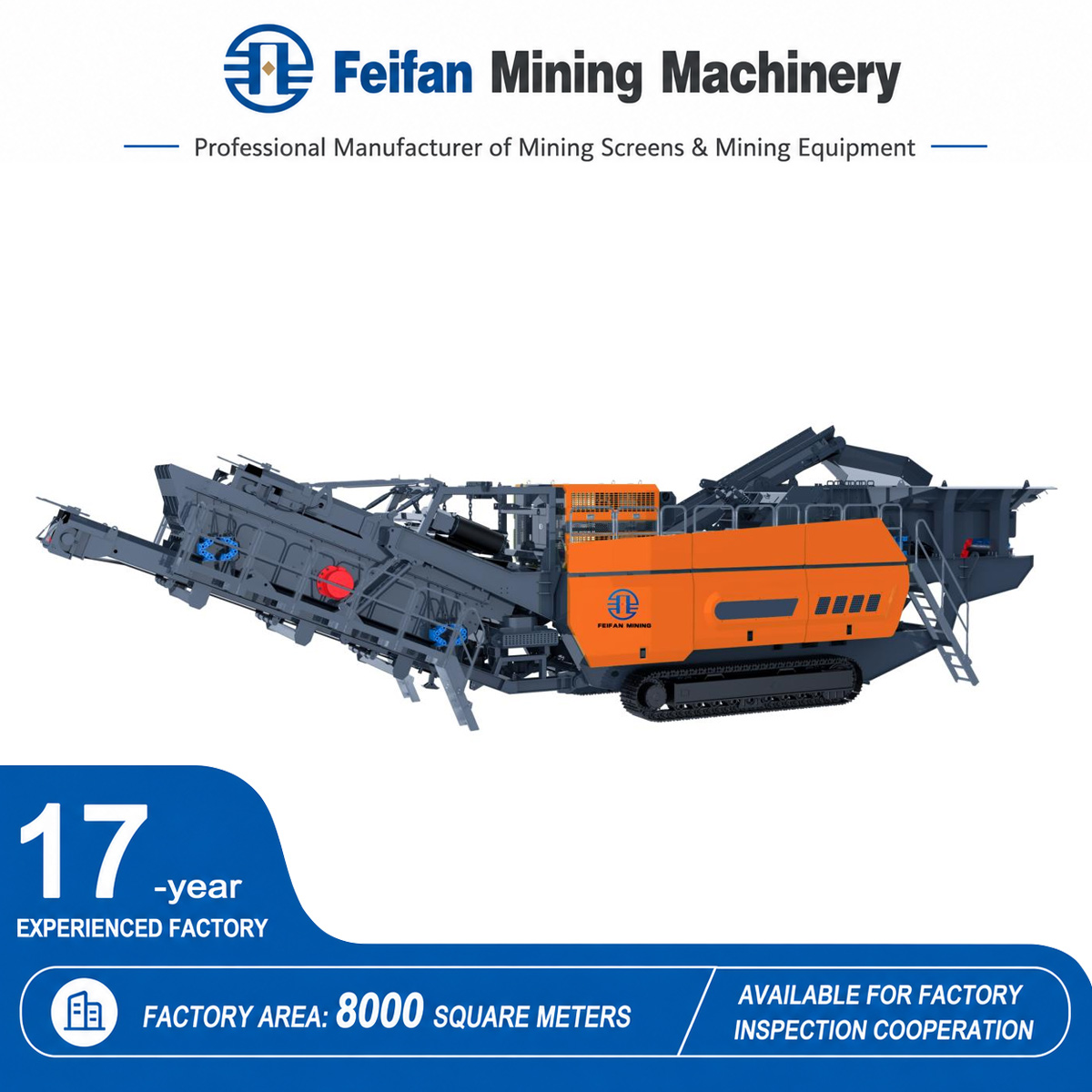
A dust plume at a conveyor handover is more than a housekeeping problem. At a Mobile Crushing Station, escaping fines can obscure access routes, affect nearby workers, and make it harder to keep aggregate production under control. For quality and safety teams, the challenge is reducing airborne dust without creating wet, sticky material or interrupting throughput.
The most reliable approach combines controlled material flow, effective containment, and appropriately selected suppression or extraction. Adding more water alone rarely fixes a poorly designed transfer point. Start by identifying where dust forms—and why it escapes.
Read the dust pattern before changing equipment
Transfer-point dust usually comes from a combination of material impact, displaced air, and leakage. Falling aggregate entrains air; when it strikes a chute or receiving belt, fine particles become airborne. That air then carries dust through skirt gaps, inspection openings, and unsealed enclosure joints.
Observe each transfer during normal production, peak loading, and startup from a safe position outside guarded areas. Note whether the plume follows a particular event:
Do not judge success by visibility alone. Respirable dust may remain airborne even when a visible plume disappears, particularly when processing silica-containing rock. Visual observations help locate problems; exposure monitoring establishes whether worker protection is adequate.
Fix the material path before increasing suppression
A transfer should guide aggregate onto the receiving belt rather than allow it to crash into the loading zone. Where the equipment arrangement permits, reduce unnecessary drop height and use a chute profile that limits abrupt changes in direction. The design must still provide clearance for the largest expected lumps and access for clearing blockages safely.
Center the stream on the receiving conveyor and direct it along belt travel as closely as practical. Side loading encourages mistracking, spillage, and uneven skirt wear. A steady feeder discharge also matters: a chute that handles average throughput may release dust during intermittent surges.
Impact beds or correctly selected impact idlers can support the belt beneath the loading point. This is not simply a belt-protection issue. When the belt sags between supports, a gap opens below the skirt seal, allowing dust and fines to escape.
Give disturbed air somewhere to settle
An enclosure needs enough internal space and downstream length for the material stream to stabilize and airborne particles to settle. A tight cover immediately above a turbulent impact zone can force dust-laden air out through the nearest opening.
Use enclosed loading zones with suitable curtains or baffles where appropriate, while maintaining clearance for the material stream. Avoid obstructions that collect aggregate and create blockages. Inspection doors should close securely, and maintenance access should not depend on removing permanent guarding.
Make Mobile Crushing Station seals work under real conditions
Mobile equipment experiences vibration, frequent repositioning, and changing conveyor angles. A seal that worked before transport may no longer contact the belt correctly after setup.
Inspect skirt rubber for hardening, tears, uneven wear, and trapped stones. Adjust it according to the equipment supplier’s guidance: excessive pressure increases belt wear and friction without correcting poor belt support. Keep structural chute components clear of the moving belt.
Check enclosure joints, flexible connections, and inspection covers as well as the obvious skirt edges. These smaller leakage paths often explain why a transfer remains dusty after new skirting has been fitted.
Choose water sprays around moisture limits—not plume size
Water can prevent fines from becoming airborne or capture particles already suspended in an enclosed transfer. Those are different duties, and they require different nozzle arrangements. Material-wetting sprays should distribute water across the moving stream; fine sprays intended for airborne dust need suitable positioning and protection from wind.
Place nozzles close to the source, preferably within the enclosure, rather than spraying across an open area after dust has escaped. Select droplet characteristics, pressure, and flow for the application. Very fine droplets can drift or evaporate, while poorly directed coarse sprays may wet surfaces without treating the dust source effectively.
Before raising water flow, quality personnel should establish:
- The incoming moisture condition and allowable finished-product moisture.
- Whether added water causes chute buildup, belt carryback, or screen blinding.
- How moisture changes affect stockpile handling and downstream requirements.
- Whether water quality requires filtration to prevent nozzle blockage.
Link sprays to material flow where practical, so an empty conveyor is not continuously wetted. Include accessible filters, pressure indication, and a way to verify nozzle operation safely. A running pump does not prove that every nozzle is delivering the intended spray pattern.
When extraction is the better fit
Dust extraction deserves consideration when product moisture limits are restrictive, water is scarce, or enclosure pressure continues to push dust outward. It can also complement modest water application rather than replace it entirely.
Effective extraction depends on enclosure design. A fan connected to a leaky hood may draw large quantities of surrounding air while leaving the dust source poorly controlled. Locate pickup points to capture dust-laden air without unnecessarily collecting saleable fines or drawing coarse material into the ductwork.
Have a competent designer assess extraction volume, hood position, duct transport requirements, collector suitability, and discharge arrangements. Mobile installations also need practical provisions for power, flexible connections, transport clearance, and collected-dust disposal. Collected fines should be handled in a closed or otherwise controlled manner to avoid creating another exposure point.
Verify the result with production and exposure checks
Trial adjustments under comparable conditions. Record throughput, feed characteristics, weather, water flow, and the controls in use. Otherwise, a quieter plume caused by lower production may be mistaken for an equipment improvement.
Use a short acceptance checklist shared by production, quality, and safety personnel:
- Containment: Check for leakage during steady operation, surges, startup, and shutdown.
- Product quality: Confirm moisture remains acceptable and added water does not disrupt screening or handling.
- Reliability: Look for buildup, mistracking, carryback, and abnormal seal wear.
- Worker exposure: Arrange representative personal sampling, including respirable crystalline silica where relevant, against applicable occupational limits.
Direct-reading instruments can help identify changing dust conditions, but they do not automatically replace substance-specific exposure sampling. Use respiratory protection where required by the risk assessment and applicable rules while engineering controls are being improved or verified.
Keep control effective after every move
Make transfer-point inspection part of recommissioning whenever the station relocates. Recheck conveyor alignment, chute clearances, skirt contact, spray coverage, and extraction connections before returning to full production. Isolate and lock out equipment before entering chutes, adjusting internal components, or clearing blockages. Avoid compressed-air cleaning that sends settled dust back into the workplace.
For new equipment or retrofits, ask the supplier to review the crusher discharge, screening connections, and conveyors as one material-handling system. Shandong Feifan Mining Machinery manufactures crushers, screening machines, and belt conveyors, while the group provides aggregate-line EPC services—relevant capabilities when coordinating transfer interfaces rather than treating each machine separately.
The working objective is straightforward: keep material moving smoothly, contain the disturbed air, and apply only the water or extraction the process needs. That balance gives safety teams a more controllable workplace without asking quality teams to accept an unstable product.
Leave A Message
If you are interested in our products and want to know more details, please leave a message here, we will reply you as soon as we can.